How To Restring Patio Furniture?
To restring patio furniture, you typically remove old, damaged material, clean the frame, measure and cut new strapping or fabric, then carefully weave or attach the fresh material to restore its look and function.
The process of how to restring patio furniture can significantly extend its lifespan, saving you the cost of buying new pieces.
- Restring your patio furniture to save money and give it a fresh look.
- Identify your furniture type (wicker, sling, vinyl strap) to plan properly.
- Gather specific tools like scissors, a heat gun, and new material.
- The main steps include removing old material, cleaning, measuring, and attaching the new.
- Avoid common mistakes like wrong tension or poor material choices for lasting results.
How To Restring Patio Furniture?
Restringing patio furniture means replacing worn-out fabric or vinyl straps, making your beloved outdoor pieces look new again.
This DIY task revitalizes chairs and loungers, bringing comfort and style back to your outdoor space.
Why Restring Your Patio Furniture?
Is your favorite patio chair looking tired or saggy? Many homeowners find restringing a cost-effective solution to avoid buying brand-new furniture.
It’s like giving your outdoor space a mini-makeover without the big price tag. Why toss something good when it just needs a little TLC?
Save Money, Enhance Looks
Buying new patio furniture can be a significant investment, often costing hundreds or even thousands of dollars. Restringing offers a budget-friendly way to update your current set.
We found that replacing damaged straps or fabric makes old pieces feel fresh, enhancing your patio’s overall curb appeal (Home Depot guides).
Boost Longevity and Comfort
Worn-out materials can compromise the structural integrity and comfort of your furniture. Replacing them ensures your pieces are safe and comfortable for use.
Many experts agree that proper maintenance, like restringing, can help your patio furniture last for many more seasons, protecting your initial investment.
Different Types of Patio Furniture Restringing
Before you begin, it’s important to know what kind of patio furniture you have. Different types require different materials and techniques for restringing.
Understanding your specific furniture helps you gather the right supplies and approach the task effectively, like knowing if you need vinyl or wicker.
Wicker Weave Repairs
Wicker furniture, whether natural or synthetic resin, often uses a woven pattern. When a strand breaks, you might need to reweave a specific section or replace a larger portion.
This typically involves carefully matching the material and weave pattern to ensure a seamless repair. Synthetic wicker is often more durable against UV rays (NIH research on plastics).
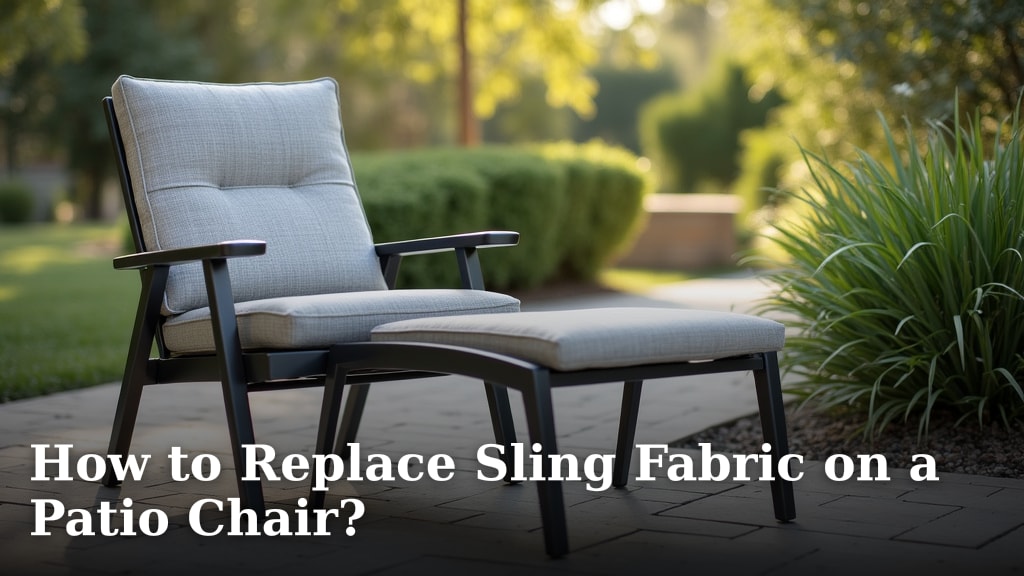
Sling Fabric Replacement
Sling furniture features a single piece of fabric stretched tightly across the frame, common on lounge chairs. Replacing this involves removing the old fabric and sliding in a new piece into channels on the frame.
This method requires precise measurements to ensure a taut, comfortable fit. Professional patio repair services often offer pre-cut sling fabrics for various models.
Vinyl Strap Re-lacing
Perhaps the most common type for restringing, vinyl strap furniture uses individual straps woven across the frame. These straps often become brittle and break over time due to sun exposure.
Re-lacing involves heating new straps to make them pliable, attaching them to the frame, and then letting them cool and shrink for a tight, secure fit.
Gathering Your Supplies: A Checklist
Like any home improvement project, having the right tools and materials makes all the difference. Imagine trying to paint without a brush – frustrating, right?
Before you get started, take a moment to collect everything you’ll need. This preparation saves time and prevents mid-project trips to the store.
Essential Tools
- Utility knife or sturdy scissors for cutting old and new materials.
- Heat gun or boiling water for softening vinyl straps.
- Measuring tape for accurate sizing.
- Screwdriver or drill (if frames need disassembly).
- Rubbing alcohol and rags for cleaning the frame.
- Gloves to protect your hands.
Choosing Your Replacement Material
Selecting the correct material is vital for durability and aesthetics. You want something that will stand up to outdoor conditions and look good.
Here’s a quick guide to help you choose the right replacement for your furniture type.
| Furniture Type | Recommended Material | Key Considerations |
|---|---|---|
| Vinyl Strap Chairs | New vinyl strapping | Width, thickness, color, pre-cut holes. |
| Sling Chairs | Outdoor mesh fabric (sling fabric) | UV resistance, fade resistance, pre-sewn spline. |
| Wicker Chairs | Synthetic resin wicker (HDPE) | Matching color, weave pattern, strand width. |
Your Step-by-Step Restringing Guide
Once you have your materials, it’s time to roll up your sleeves and get to work. Don’t worry, we’ll walk you through each step of the process.
Many DIY enthusiasts find this project quite satisfying, seeing their furniture reborn under their own hands.
Prepare and Clean
First, carefully remove all the old, worn-out straps or fabric. Use your utility knife to cut through brittle material, but be careful not to scratch the frame.
Next, thoroughly clean the frame using a mild soap and water solution, followed by rubbing alcohol. This removes dirt, grime, and any sticky residue, ensuring a good bond for new materials.
The Installation Process
For vinyl straps, you’ll typically need to soften the new straps using a heat gun or by submerging them in hot water. This makes them flexible enough to stretch and attach.
If you’re replacing a sling, you’ll slide the new fabric into the channels on the frame, often with a spline. For wicker, it’s a careful process of weaving new strands to match the existing pattern.
- Always measure twice, cut once to avoid waste.
- Use consistent tension when stretching straps or fabric.
- Work in a logical pattern, typically from one side to the other.
- For vinyl, stretch just enough to secure, letting it shrink tight as it cools.
Finishing Touches
After all the new material is in place, double-check all connections to ensure they are secure. Trim any excess material for a clean, professional look.
Take a moment to admire your handiwork! It’s rewarding to see your patio furniture look brand new again thanks to your efforts.
Smart Tips for a Smooth Project
Restringing patio furniture can be simple, but avoiding common missteps can save you time and frustration. Let’s look at some ways to make your project even easier.
Thinking ahead can prevent headaches later, just like planning your route before a road trip.
One common mistake is using incorrect measurements for your new materials. Always measure the old straps or fabric carefully, or even better, measure the frame itself, adding a bit for attachment points (Patio Furniture Repair guides).
Another pitfall is not applying even tension. If straps or fabric are too loose, they will sag quickly. If too tight, they might tear or put undue stress on the frame.
Also, resist the temptation to use cheaper, indoor-grade materials. Outdoor furniture needs materials specifically designed to withstand sun, rain, and temperature fluctuations. We found that opting for UV-resistant and weather-proof options pays off in the long run.
Conclusion
Restringing your patio furniture is a fantastic way to refresh your outdoor living space, extend the life of your beloved pieces, and save money. It’s a project that offers a tangible reward for your effort.
By understanding your furniture type, gathering the right tools, and following a few simple steps, you can transform old, worn-out items into comfortable, stylish additions to your patio. So, why not give it a try?
How do I know what type of strapping material to buy?
You need to identify the original material, usually vinyl or synthetic wicker. Measure the width and thickness of the old straps or the diameter of the wicker strands. Look for UV-stabilized, outdoor-grade replacement materials to ensure durability.
Can I restring all types of patio furniture myself?
Most vinyl strap and some sling fabric replacements are manageable for DIY enthusiasts. Wicker weaving can be more intricate, but smaller repairs are often possible. Complex designs or unusual materials might be better left to professional repair services.
How long does it typically take to restring a patio chair?
The time varies depending on the type of furniture and your experience. A vinyl strap chair might take 1-2 hours for a beginner, while a full sling replacement could take a bit longer. Wicker repairs depend heavily on the extent of the damage.
What if my patio furniture frame is damaged?
Before restringing, always inspect the frame for cracks, rust, or weak joints. If the frame itself is compromised, repairing it might be necessary first. Restringing a damaged frame won’t provide lasting comfort or safety.
Is restringing patio furniture cost-effective compared to buying new?
Absolutely, yes! Replacing straps or fabric is almost always significantly cheaper than purchasing an entirely new piece of furniture. It can extend the life of your furniture by many years, making it an excellent investment for your budget and the environment.