How To Repair Patio Chair?
On this page (3 sections)
To repair a patio chair, identify the specific damage—whether it’s torn fabric, loose wicker, or rusty metal—and gather the appropriate repair materials. Common solutions for how to repair patio chair problems include replacing slings, reweaving, or securing hardware.
You can often restore your beloved outdoor seating with some basic tools and a bit of patience. Understanding the material and type of damage helps you choose the most effective and lasting fix for your patio furniture.
- Quick fixes can extend the life of your patio chairs.
- Most common repairs involve fabric, wicker, or metal frames.
- Gathering the right tools before you start saves time and effort.
- Regular cleaning and maintenance can prevent major damage down the line.
- DIY repair is often more affordable than buying new furniture.
How To Repair Patio Chair?
Repairing a patio chair begins with a clear assessment of what needs fixing. You need to know if it is a simple loose screw or a more complex issue like a ripped sling or unraveling wicker.
Many experts say that knowing your chair’s material guides your repair strategy, making the process much smoother. It is easier than you might think!
Understanding Your Patio Chair’s Materials
Patio chairs come in many styles and materials. You might have chairs made of aluminum, wrought iron, wood, wicker, or even plastic.
Each material has unique characteristics. Knowing these helps you pick the right repair technique. Consider what your chairs are made of before you begin.
Metal Frame Considerations
Aluminum frames are lightweight and resist rust well. Wrought iron, on the other hand, is heavy and needs more rust protection.
Steel frames can rust quickly if their protective coating is chipped. Many guidelines point to regular inspection as a good first step (EPA).
Fabric and Sling Types
Most patio chair slings are made from durable PVC-coated polyester or acrylic. These fabrics stand up to sun and rain pretty well.
Cushions often use weather-resistant outdoor fabrics like Sunbrella. These materials are designed for outdoor living.
Wicker and Rattan Challenges
Wicker can be natural or synthetic. Natural wicker might dry out and crack.
Synthetic wicker, typically resin, is more flexible and weather-resistant. It can still unravel or break after years in the sun.
Essential Tools for Patio Chair Repair
Before you get started, gather your tools. Think of it like a chef preparing ingredients; you want everything ready.
Having the right tools nearby prevents frustration and interruptions. A well-stocked toolbox makes any repair easier.
- Screwdrivers (Phillips and flathead)
- Wrenches (adjustable or a set of various sizes)
- Utility knife or scissors
- Pliers (needle-nose and standard)
- Wire brush and sandpaper
- Clean cloths and mild soap
- Safety gloves and eye protection
Fixing Common Patio Chair Problems
Let’s dive into specific repairs. We found that most patio chair issues fall into a few main categories. Don’t worry, these aren’t insurmountable problems!
With a little patience, you can often bring your chairs back to life. It’s like giving them a second chance at summer fun.
Dealing with Ripped Fabric Slings
A torn sling means your chair is out of commission. You can’t comfortably sit on it, right? Often, replacement is the best path here.
Many manufacturers offer replacement slings for common models. We found that online retailers also sell universal sling material you can cut to size.
How to Replace a Patio Chair Sling
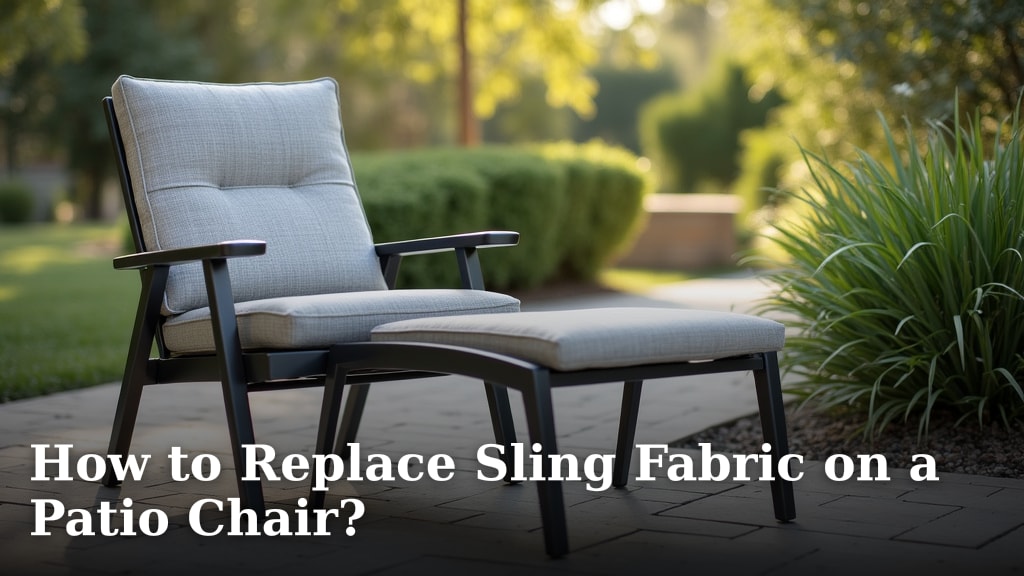
First, remove the old sling. You will usually find screws or bolts holding it in place along the frame’s channels.
Clean the frame thoroughly after removal. Then, insert the new sling’s rods into the frame channels. You might need to gently stretch the fabric.
Finally, reattach the frame pieces. It’s like putting together a giant puzzle, but for your comfort.
Repairing Wobbly Frames and Loose Hardware
Is your chair doing the cha-cha when you sit down? Loose bolts are a common culprit. Tighten any visible screws and bolts.
Sometimes, the holes might be stripped. You can try larger screws or use thread-locking compound. Research often connects these simple fixes to increased chair lifespan (Consumer Reports).
Addressing Rust on Metal Frames
Rust happens, especially with iron or steel furniture. A wire brush can remove surface rust.
Then, sand the area smooth. Apply a rust-inhibiting primer, followed by outdoor-grade paint. This seals the metal from moisture.
Re-weaving or Patching Wicker
For unraveling wicker, use strong outdoor adhesive to reattach loose strands. If a piece is broken, you can weave in a new section.
Purchase synthetic wicker repair kits online or at home improvement stores. It’s a bit like sewing, but with wicker.
| Problem Type | Common Solution | Required Materials | Difficulty |
|---|---|---|---|
| Torn Fabric Sling | Sling replacement | New sling fabric, spline tool | Medium |
| Loose Frame Joints | Tighten hardware | Screwdriver, wrench, thread locker | Easy |
| Surface Rust | Clean & paint | Wire brush, sandpaper, primer, paint | Medium |
| Unraveling Wicker | Re-weave/glue | Wicker repair kit, outdoor adhesive | Medium |
Maintenance Tips to Prevent Future Damage
Prevention is always easier than repair, right? A little care goes a long way in keeping your patio chairs looking good.
These simple steps can extend the life of your furniture. It is like giving them a spa day!
Regular Cleaning Regimen
Clean your patio chairs regularly with mild soap and water. This removes dirt, pollen, and grime that can degrade materials.
Pay attention to crevices where moisture can hide. A clean chair is a happy chair.
Protective Covers and Storage
Consider using furniture covers during harsh weather or off-season. This protects against UV damage and moisture.
Storing chairs indoors during winter is ideal if space allows. It’s like tucking them into bed for a long rest.
Here’s a quick checklist for your next patio chair repair:
- Inspect the chair thoroughly for all damage points.
- Identify the chair’s material.
- Gather all necessary tools and repair supplies.
- Clean the area to be repaired.
- Follow specific repair steps for each material.
- Test the repair for stability and comfort.
Conclusion
Repairing your patio chairs is a rewarding project. It saves money and extends the life of furniture you already love. You don’t always need to buy new.
From simple tightening to sling replacement or wicker re-weaving, many common issues have practical solutions. With a bit of effort, your outdoor space will be comfortable and inviting once again. You’ve got this!
Can I repair all types of patio chair damage myself?
Most common patio chair damage, like loose hardware, minor rust, or torn fabric slings, can be repaired by a DIY enthusiast. Complex structural breaks or specialized welding might require professional help, but many simple fixes are quite manageable.
How do I find replacement parts for my specific patio chair model?
Begin by checking the manufacturer’s website if you know the brand and model. Many patio furniture brands offer replacement parts directly. If not, look for universal replacement parts online, measuring your existing components carefully to ensure a good fit.
What is the best way to prevent rust on metal patio chairs?
To prevent rust, regularly clean metal frames to remove dirt and moisture. Apply rust-inhibiting primer and outdoor-grade paint to any scratched areas. Using furniture covers when chairs are not in use and storing them in a dry place during the off-season also helps significantly.
Is it worth repairing an old patio chair, or should I just buy a new one?
Repairing an old patio chair is often worthwhile, especially if the frame is still sturdy. It is usually more cost-effective than buying a new, quality chair. Plus, it is a sustainable choice that reduces waste. Consider the sentimental value too!
Can I paint my patio chair frames, and what kind of paint should I use?
Yes, you can absolutely paint patio chair frames to refresh their look or protect them. For metal frames, use a rust-inhibiting spray paint specifically designed for outdoor metal, like an enamel or epoxy formula. For wood, use exterior-grade paint or stain for weather resistance.