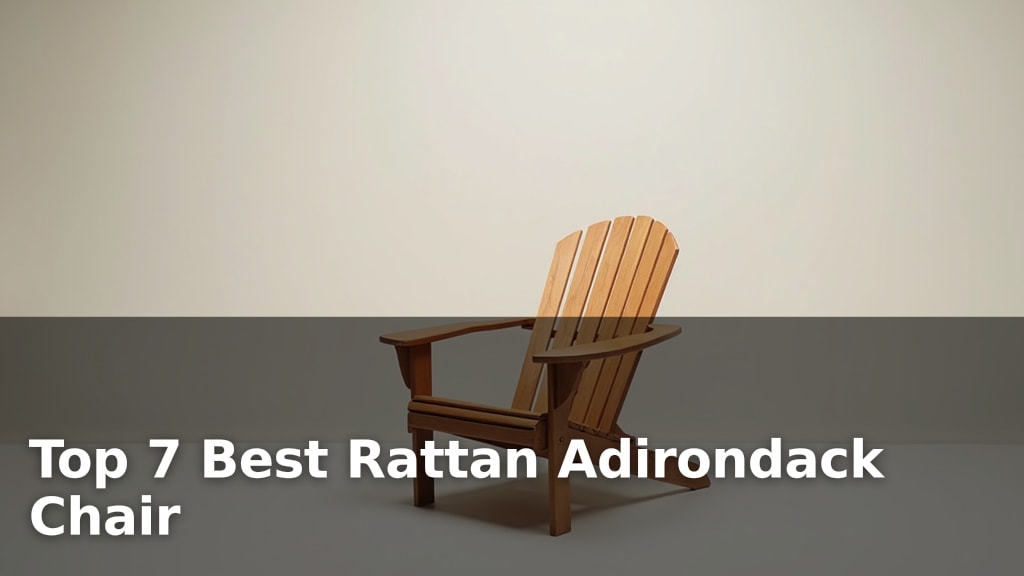
How To Treat Wood Patio Furniture?
To treat wood patio furniture, first clean it thoroughly to remove dirt and mildew, then lightly sand any rough spots.
Next, apply a protective finish like a penetrating wood oil, a sealant for water and UV resistance, or an outdoor paint, following product instructions for best results.
- Proper treatment for your wood patio furniture begins with a good cleaning and light sanding.
- You can choose between wood oils, sealants, or paints, depending on the look and protection you want.
- Applying these treatments helps protect your furniture from weather damage and extends its lifespan.
- Regular maintenance is key to keeping your wooden pieces looking great year after year.
How To Treat Wood Patio Furniture?
You treat wood patio furniture by cleaning, preparing, and then applying a suitable protective finish like oil, sealant, or paint to guard against the elements.
Why Treat Your Wood Patio Furniture?
Imagine your beautiful wooden table turning gray and splintered. Treating your wood patio furniture isn’t just about looks; it’s about protection.
The sun, rain, and humidity can really take a toll. Proper treatment shields your furniture, keeping it strong and beautiful for many seasons.
Think of it as sunscreen for your outdoor pieces, helping them last much longer. We found that regular care significantly extends the life of outdoor wood (Forest Products Laboratory).
Understanding Wood Types
Not all wood is created equal, right? Your treatment choice depends a lot on the type of wood you have.
There are hardwoods and softwoods, and each has its own quirks and needs.
Hardwoods: Naturally Resilient
Woods like teak, shorea, and eucalyptus are hardwoods. They naturally contain oils that make them quite durable outdoors.
These woods often age to a beautiful silvery-gray patina if left untreated. Many experts say they still benefit from occasional oiling to prevent drying and cracking.
Softwoods: Needing More Love
Cedar, pine, and cypress are common softwoods used for patio furniture. They’re generally more affordable but also more susceptible to weather damage.
They truly need a good sealant or paint to stand up to the elements. Without it, they might rot, warp, or split over time.
Cleaning: The First Step
You wouldn’t paint over a dirty wall, would you? The same goes for your patio furniture.
Cleaning is non-negotiable. It removes dirt, grime, mold, and mildew, ensuring your treatment adheres properly.
A simple scrub with mild soap and water usually does the trick. Always let the wood dry completely before moving on.
DIY Cleaning Solution
Mix a quarter cup of mild dish soap with a gallon of warm water. You can also add a cup of white vinegar for extra mildew-fighting power.
Use a soft brush or sponge, scrub gently, then rinse well with a garden hose. Research often connects proper cleaning with better finish adhesion (USDA Forest Service).
Sanding: When and How
Once your furniture is clean and dry, run your hand over it. Does it feel rough? Are there any splinters?
Light sanding creates a smooth surface and helps the new finish penetrate better. You don’t need heavy-duty sanding, just a light touch.
Use fine-grit sandpaper (around 120-220 grit). Sand with the grain of the wood. Then wipe away all dust with a tack cloth or damp rag.
Choosing Your Treatment: Oil, Sealant, or Paint?
Now for the fun part: picking your protective layer. What look are you going for? How much protection do you need?
Each option offers different benefits and appearances for your wood patio furniture.
Wood Oil: Enhancing Natural Beauty
Wood oils, especially for hardwoods like teak, penetrate deep into the wood fibers. They nourish the wood and bring out its natural color and grain.
Oils offer good protection against moisture and prevent drying. However, they typically need reapplication more frequently, often once or twice a year.
Sealants: A Protective Barrier
A good sealant forms a protective layer on the surface of the wood. These are excellent for repelling water and offering strong UV protection.
Many experts say sealants are great for both hardwoods and softwoods. They often last longer than oils, sometimes for several years between applications.
Paint: For a New Look and Strong Protection
Want to completely change the color of your furniture? Paint is your answer. It offers the most robust protection from the elements, completely covering the wood.
Using outdoor-specific paint ensures durability. Just remember, once you paint, you’re pretty committed to that look.
Step-by-Step Treatment Guide
- Clean First: Wash furniture with mild soap and water, then let it dry completely.
- Sand Lightly: Smooth any rough areas with fine-grit sandpaper, then wipe off dust.
- Apply Treatment: Follow the product’s instructions carefully for oil, sealant, or paint.
- Use Thin Coats: Apply thin, even coats to avoid drips and ensure proper drying.
- Allow Curing Time: Give each coat ample time to dry or cure before applying the next or using the furniture.
Treatment Frequency
How often you treat your furniture depends on a few things. Consider your wood type and the kind of finish you chose.
Also, how much sun and rain does your patio get? Constant exposure means more frequent care.
| Wood Type | Treatment Type | Frequency |
|---|---|---|
| Teak, Shorea | Wood Oil | 1-2 times per year |
| Cedar, Pine | Wood Oil | 1-2 times per year |
| All Types | Sealant | Every 1-3 years |
| All Types | Outdoor Paint | Every 3-5 years |
Checklist: Your Treatment Prep
Before you start, make sure you have everything you need. A little preparation saves a lot of hassle!
- Mild soap or wood cleaner
- Bucket and water hose
- Soft brush or sponge
- Fine-grit sandpaper (120-220)
- Tack cloth or clean rags
- Your chosen wood oil, sealant, or paint
- Paintbrushes or foam applicators
- Drop cloths or old sheets
- Safety gloves and eye protection
Common Mistakes to Avoid
We all make mistakes, but some are easily preventable when treating wood furniture. Avoid these common pitfalls to get the best results.
Never skip cleaning. Applying new treatment over dirt will just trap it in. Also, don’t over-apply your finish; thin coats are always better than thick, gummy ones.
Always check the weather forecast. You want a dry, mild day for application and drying. Applying in direct, hot sun or during rain can ruin your finish.
Seasonal Care Tips
Your wood patio furniture needs a little love throughout the year, not just during a big treatment day.
During the summer, wipe up spills quickly and consider using furniture covers during heavy rain. In winter, store pieces in a dry, covered area if possible. If not, use breathable covers.
A quick inspection each spring helps you spot small issues before they become big problems.
Conclusion
Treating your wood patio furniture might seem like a chore, but it’s an investment in its longevity and beauty. By cleaning, preparing, and applying the right finish, you shield your outdoor pieces from harsh weather.
Whether you choose the natural look of oil, the robust protection of a sealant, or the transformative power of paint, consistent care is your best friend. Your furniture will thank you with years of beautiful outdoor living.
How often should I reapply wood oil to my patio furniture?
Most experts suggest reapplying wood oil to patio furniture at least once a year, and sometimes twice if your furniture is exposed to harsh sun or frequent rain. Hardwoods like teak might need it less often than softer woods.
Can I paint over a sealed wood patio furniture piece?
Yes, you can paint over a sealed wood patio furniture piece, but you should first clean and lightly sand the surface to ensure proper paint adhesion. Some sealants might require a specific primer before painting.
What’s the best way to remove mildew from wood patio furniture?
To remove mildew from wood patio furniture, mix one part white vinegar with two parts water in a spray bottle. Spray the affected areas, let it sit for about 15 minutes, then scrub gently with a soft brush and rinse thoroughly.
Is it better to use a brush or a rag to apply wood oil?
For applying wood oil, many prefer a clean, lint-free rag or a foam applicator. These allow for thinner, more even coats, which penetrate the wood better and reduce the risk of gummy residue. Brushes can also work, but ensure thin application.
Should I bring my wood patio furniture indoors during winter?
If possible, bringing your wood patio furniture indoors or storing it in a covered, dry area during winter is highly recommended. This protects it from extreme cold, snow, and ice, which can cause significant damage and shorten its lifespan.