
What Is the Best Material for Patio Furniture?
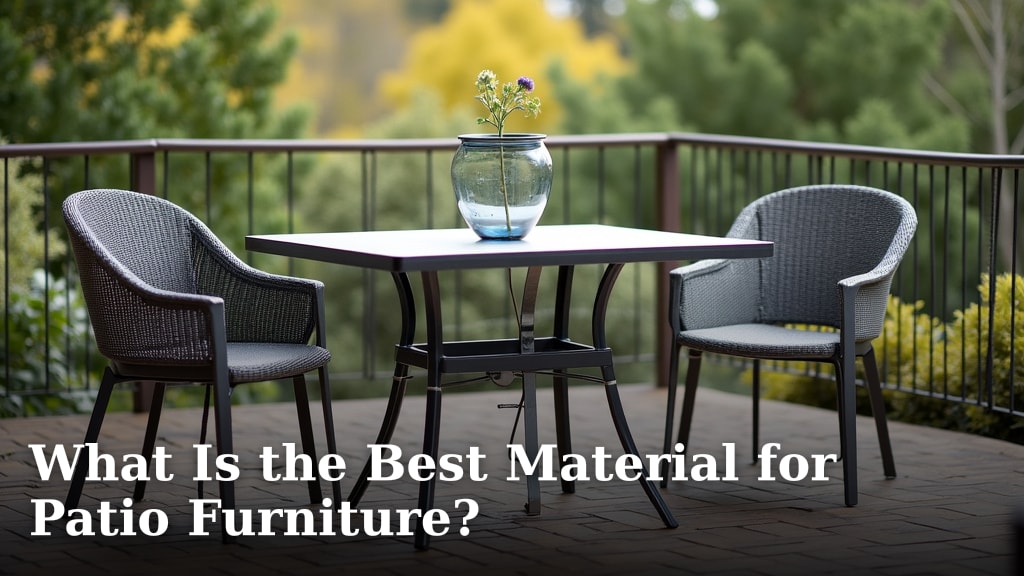
The best material for patio furniture truly depends on your needs, but for overall durability and low maintenance, powder-coated aluminum often stands out. It resists rust, is lightweight, and comes in many styles. However, other materials excel in specific areas like comfort or natural aesthetics.
When selecting your outdoor furniture, you’ll want to consider factors like your local climate, how much upkeep you want to do, and your budget. We found that each material has its own pros and cons. Thinking about your priorities will help you pick the perfect fit for your home.
- The “best” material is subjective and depends on your specific situation.
- Powder-coated aluminum offers excellent durability and low maintenance.
- Consider your climate, desired upkeep, and budget when choosing.
- Different materials offer unique benefits like comfort or appearance.
Let’s research together all the popular patio furniture materials available today. We’ll help you decide which one is right for your outdoor living space.
Finding the Ideal Patio Furniture Material for You
The “best” patio furniture material isn’t a one-size-fits-all answer. It’s about finding the perfect match for your lifestyle, climate, and aesthetic preferences. We’ll explore the most popular options, examining their strengths and weaknesses. Think of this as your personal guide to outdoor comfort.
Aluminum: Lightweight Durability
Aluminum is a top contender for many homeowners, and for good reason. It’s incredibly versatile and offers a great balance of features. You’ll find it everywhere from modern minimalist designs to more traditional styles. It’s a true workhorse in the outdoor furniture world.
Powder-Coated Aluminum
When you hear about aluminum patio furniture, it often refers to powder-coated aluminum. This isn’t just plain metal; it has a protective layer baked onto its surface. This coating makes it extra tough and gives it its color. It’s a big reason why this material is so popular.
-
Pros: It’s exceptionally lightweight, making it easy to move and rearrange your patio layout. It’s also naturally resistant to rust, even in humid or coastal environments. This material requires minimal maintenance, usually just a quick wipe down. You can find it in a huge range of colors and designs, too.
-
Cons: While generally sturdy, it can sometimes feel less substantial than heavier materials. Strong winds might even shift lighter pieces. The finish can sometimes scratch or chip if not cared for, though touch-up kits are available.
Wrought Iron: Classic Strength
If you’re looking for furniture with a significant feel and a touch of old-world charm, wrought iron might catch your eye. It has a beautiful, classic look that can elevate any outdoor space. This material has been used for centuries, proving its enduring appeal.
-
Pros: Wrought iron is incredibly heavy and strong, so it won’t budge in windy conditions. Its weight also makes it feel very stable and luxurious. It offers a classic, elegant aesthetic that many people love. With proper care, it can last a very long time.
-
Cons: Its heavy nature means it’s difficult to move once placed. This isn’t the choice for you if you like to reconfigure your patio often. It’s also prone to rust if its protective finish is compromised, so regular maintenance, like painting and rust treatment, is essential (National Park Service). It can also get very hot in direct sunlight. If you live in a rainy climate, expect more upkeep.
Wood: Natural Beauty and Warmth
Nothing quite matches the natural beauty and warmth of wood furniture. It blends seamlessly into outdoor environments, creating an inviting and organic feel. There are many types of wood used for patios, each with its own character.
Teak
Teak is often considered the gold standard for outdoor wood furniture. It’s famous for its durability and rich appearance. This wood contains natural oils that give it incredible weather resistance. Many experts say it’s one of the best woods for outdoor use (Forest Legacy Program).
-
Pros: Teak is remarkably weather-resistant and naturally repels insects and moisture. It can last for decades, even without much maintenance, developing a beautiful silver-gray patina over time. It’s strong and stable, with an elegant, classic look.
-
Cons: Teak is usually the most expensive wood option. If you prefer to maintain its original golden-brown color, you’ll need to regularly apply a sealant. Without treatment, it will gracefully gray over time.
Acacia, Eucalyptus, and Cedar
These woods offer more budget-friendly alternatives to teak while still providing natural appeal. Each has its unique characteristics and maintenance requirements. You can achieve a similar natural look without breaking the bank.
-
Acacia: A dense hardwood, acacia is quite durable and has a lovely grain. It’s often stained to resemble teak or other exotic woods. It’s a good choice for those wanting wood but on a tighter budget.
-
Eucalyptus: Similar to teak in appearance, eucalyptus is a fast-growing, sustainable option. It has natural oils but typically requires more regular oiling or sealing to maintain its condition and prevent cracking in dry climates.
-
Cedar: Known for its aromatic qualities and natural resistance to rot and insects, cedar is a softer wood. It has a distinctive red hue and is usually more affordable. It can sometimes show dents more easily than harder woods.
General Wood Cons: All wood requires some level of maintenance to protect it from the elements. This can include periodic sanding, sealing, or oiling. Without proper care, wood can crack, warp, or rot over time. It can also be heavier than aluminum, making it harder to move.
Wicker and Resin Wicker: Textured Comfort
When you think of wicker, you might picture intricate woven patterns. Modern outdoor wicker is usually not natural wicker, but rather resin wicker. This synthetic material has transformed outdoor furniture, combining classic looks with modern durability.
Resin Wicker (All-Weather Wicker)
Resin wicker, also known as all-weather wicker, is made from synthetic fibers woven over an aluminum or steel frame. It mimics the look of natural wicker but boasts much greater outdoor resilience. This means you get the cozy aesthetic without the high maintenance.
-
Pros: It’s weather-resistant, standing up well to UV rays, rain, and humidity without rotting or fading significantly. It’s also lightweight (thanks to the aluminum frame usually hidden underneath) and very easy to clean with just soap and water. You’ll find it in a vast array of styles, colors, and weave patterns. Many people find it inherently comfortable due to its slight give.
-
Cons: The quality can vary significantly. Cheaper resin wicker can become brittle and crack over time if exposed to intense sun. If the underlying frame is steel rather than aluminum, it could rust. The woven strands can also trap dirt, requiring a bit more effort to thoroughly clean than a smooth surface.
Stainless Steel: Modern and Sleek
For a truly contemporary and sleek look, stainless steel offers a sophisticated choice. It provides a distinct modern edge to any outdoor space and is known for its impressive strength. You’ll often see it paired with other materials like teak or sling fabric.
-
Pros: Stainless steel is incredibly strong and durable, resisting corrosion and rust very well, especially higher grades like 304 or 316. It’s low maintenance and easy to clean, usually just needing a wipe-down. Its bright, reflective surface adds a distinct modern aesthetic. It holds up well to various weather conditions.
-
Cons: It can be quite expensive, often on par with or even exceeding high-quality teak. It also conducts heat, meaning it can get very hot in direct sunlight, and could be uncomfortable to touch. Fingerprints and smudges are easily visible, requiring frequent cleaning to maintain its pristine look.
Plastic and Recycled Materials: Affordable and Eco-Friendly
Don’t overlook plastic! Modern plastic patio furniture has come a long way from the flimsy white chairs of yesteryear. You’ll now find durable, stylish options, especially those made from recycled materials.
High-Density Polyethylene (HDPE)
HDPE is a type of recycled plastic often used to create heavy-duty, weather-resistant furniture. It’s a fantastic environmentally conscious option that doesn’t compromise on durability. This is not your grandma’s plastic patio furniture.
-
Pros: HDPE is exceptionally durable and weather-resistant, often guaranteed for many years. It won’t rot, splinter, or crack, and it’s resistant to salt spray, making it great for coastal areas. It’s also super easy to clean, requires zero maintenance (no painting or sealing!), and is often made from recycled plastics. It comes in many vibrant, fade-resistant colors.
-
Cons: This material can be quite heavy, making it difficult to move some pieces. While environmentally friendly, the initial cost can be higher than regular plastic furniture, though its longevity often offsets this. Some people find the aesthetic less “natural” than wood or metal, but designs are constantly improving.
Comparing Your Choices: A Quick Reference
To help you visualize the differences, here’s a quick comparison of the materials we’ve discussed. This can be a useful tool as you narrow down your options.
| Material | Durability / Longevity | Maintenance | Weight | Typical Cost |
|---|---|---|---|---|
| Powder-Coated Aluminum | Excellent (15+ years) | Very Low | Light | Medium to High |
| Wrought Iron | Very Good (20+ years w/ care) | Medium (Rust prevention) | Very Heavy | Medium to High |
| Teak Wood | Exceptional (25+ years) | Low (to gray) / Medium (to maintain color) | Medium-Heavy | High |
| Resin Wicker (HDPE) | Good (10-15 years) | Low | Light-Medium | Medium |
| Stainless Steel | Excellent (20+ years) | Low (but shows smudges) | Medium-Heavy | High |
| Recycled Plastic (HDPE) | Exceptional (20+ years, often guaranteed) | Very Low (Zero) | Heavy | Medium-High |
Your Patio Furniture Checklist
Now that you know the ins and outs of each material, let’s put it all together. Use this quick checklist to guide your final decision. What matters most to you in your outdoor oasis?
-
Climate Considerations: Do you live in a rainy, humid, sunny, or windy area?
-
Level of Upkeep: How much time are you willing to spend on cleaning and maintenance?
-
Budget: What’s your comfortable spending range for quality outdoor pieces?
-
Style & Aesthetics: What look and feel do you want for your outdoor space?
-
Weight & Portability: Do you need furniture that’s easy to move around?
-
Comfort: Is plush seating or a firm surface more important to you?
Conclusion
Choosing the best patio furniture material comes down to matching your lifestyle to the material’s benefits. We found that options range from the low-maintenance versatility of powder-coated aluminum to the classic elegance of teak. Consider your climate, how much time you want to spend on upkeep, and your budget carefully. Each material brings unique advantages to your outdoor space.
By using our guide, you can confidently select furniture that you’ll love for years to come. Take a moment to imagine your ideal outdoor oasis, then pick the material that helps you create it.
Frequently Asked Questions
What is the most weather-resistant patio furniture material?
High-Density Polyethylene (HDPE), often used for recycled plastic furniture, is exceptionally weather-resistant. It withstands sun, rain, and salt spray without rotting, cracking, or splintering. Powder-coated aluminum and marine-grade stainless steel also offer excellent resistance to the elements.
What patio furniture material is best for high winds?
For areas with high winds, wrought iron and recycled plastic (HDPE) are excellent choices. Their significant weight makes them very stable and unlikely to be shifted by strong gusts. Look for furniture with a heavy, sturdy construction to prevent tipping.
How can I make my patio furniture last longer?
Regular cleaning is key to prolonging your furniture’s life, regardless of the material. Store cushions indoors when not in use. Applying sealants or touch-up paint as recommended for your material can prevent wear. During off-seasons, using protective covers or storing items indoors will significantly extend their lifespan.
Is it worth spending more on high-end patio furniture materials?
Investing in higher-quality materials like teak, stainless steel, or premium HDPE often pays off in the long run. These materials are typically more durable, require less maintenance, and retain their appearance for many years. While the initial cost is higher, you save money by not needing frequent replacements.
What’s the easiest patio furniture material to clean?
Powder-coated aluminum and HDPE recycled plastic are among the easiest materials to clean. A simple wipe-down with mild soap and water usually suffices. Their non-porous surfaces prevent dirt and grime from deeply embedding, making upkeep minimal.
