Can You Leave Patio Furniture Outside In The Winter?
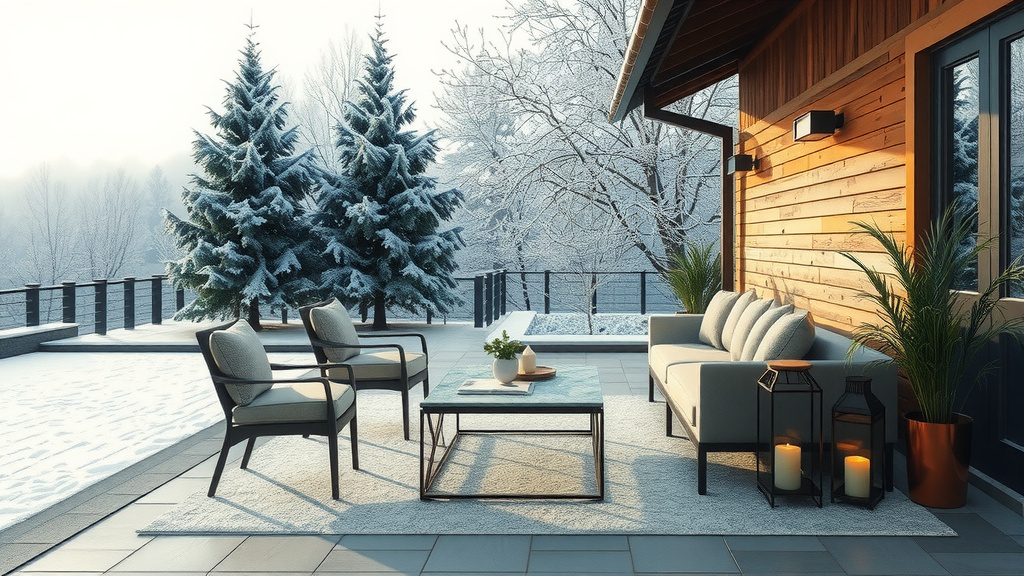
You can leave some patio furniture outside in the winter, but it largely depends on the material and your local climate conditions.
Protecting your patio furniture from harsh winter elements like snow, ice, and extreme cold can prevent damage and extend its lifespan.
- Most patio furniture can stay outside with proper care.
- Material matters a lot – some handle winter better than others.
- Cleaning, covering, and strategic placement are key steps.
- Storage is always the best option for longevity.
- Ignoring winter prep can lead to costly damage.
Can You Leave Patio Furniture Outside In The Winter?
Yes, you can leave patio furniture outside in the winter, but it often needs protection to survive the season undamaged. The best approach depends heavily on the materials your furniture is made from and the severity of your winter weather.
Winter can be harsh on your outdoor items. Think of it like this: would you leave your favorite jacket out in a blizzard? Probably not! Your patio furniture also needs some thoughtfulness.
Why Bother Protecting Your Furniture?
Leaving furniture exposed to snow, ice, and freezing temperatures can cause a range of problems. You might see everything from fading and rust to cracking and warping. Nobody wants to replace expensive furniture every few years, right?
We found that a little effort now saves you a lot of money and frustration later. Proper winterization helps your pieces last longer and look better when spring arrives (a welcome sight!).
Materials That Can Handle the Cold (Mostly)
Some materials are tougher than others when it comes to winter. Knowing what you have helps you make smart choices. Let’s look at some common ones.
Aluminum Furniture
Aluminum is a popular choice for outdoor furniture. It’s naturally rust-resistant and lightweight. You can generally leave aluminum pieces outside during winter.
However, we found that covering them can protect the finish from oxidation and discoloration. Also, strong winds can blow light aluminum around, so secure it if you can.
Wrought Iron
Wrought iron is heavy and sturdy, making it resistant to wind. It can stay outside. The catch? It’s prone to rust.
If you have wrought iron, clean it well, touch up any scratches with paint, and consider a good furniture cover. This helps prevent unsightly rust spots that develop quickly in wet conditions.
Teak and Other Treated Woods
High-quality teak wood is naturally rich in oils, making it resistant to rot and pests. It can withstand winter conditions without special treatment, though it will naturally weather to a silvery-gray patina.
For other treated woods, or if you prefer the original wood color, a good sealant application before winter is a wise step. Covers are also helpful to keep moisture from penetrating too deeply.
Plastic and Resin Furniture
Many types of plastic and resin furniture are quite durable. They resist rust and mildew. Basic plastic chairs can often be stacked and left in a corner without much fuss.
However, extreme cold can make some plastics brittle. This means they are more likely to crack or shatter if bumped. If you have these, a cover provides an extra layer of protection against freezing impact.
Materials That Need Extra Love (or Storage)
Not all materials are winter warriors. Some need a bit more attention, or better yet, a cozy indoor spot.
Wicker and Rattan
Whether natural rattan or synthetic wicker, these materials can be tricky. Natural wicker absorbs moisture, leading to mold, mildew, and weakening. Synthetic wicker is more durable but can still become brittle in cold temperatures.
We generally recommend moving wicker furniture indoors, even if it’s just to a garage or shed. If you must leave it out, use heavy-duty, waterproof covers and ensure good air circulation.
Cushions and Fabrics
This is a no-brainer! Cushions, pillows, and any fabric items should always be brought inside. They absorb moisture, attract mold, and can freeze solid, ruining their shape and feel.
Clean them thoroughly, let them dry completely, and store them in a dry, rodent-free place. Your cushions will thank you when spring returns.
Stone and Concrete Elements
These materials are robust but can suffer from freeze-thaw cycles. Water gets into tiny cracks, freezes, expands, and causes bigger cracks. This process is called spalling or pitting.
If you have stone tables or planters, ensure they are sealed properly. Consider covering them, especially if they have intricate details where water can pool.
Your Winter Patio Furniture Checklist
Ready to get your patio prepped? Here’s a quick checklist to guide you:
Clean everything: Remove dirt, debris, and mildew from all surfaces.
Dry thoroughly: Ensure furniture is bone dry before covering or storing.
Apply protectants: Seal wood, touch up metal, or wax plastics as needed.
Cover up: Use breathable, waterproof covers for pieces staying outside.
Store cushions: Bring all fabric items indoors to a dry space.
Secure light items: Tie down or stack aluminum and plastic pieces.
Comparing Winter Resilience by Material
To give you a clearer picture, here’s a simple comparison of how common patio furniture materials generally hold up in winter. Remember, local conditions and specific product quality also play a big role!
| Material | Winter Resilience | Key Protection Steps |
|---|---|---|
| Aluminum | Good | Cover to protect finish; secure from wind. |
| Wrought Iron | Good, but rusts | Clean, touch up paint, use a waterproof cover. |
| Teak Wood (Treated) | Very Good | Seal for color retention; cover for cleanliness. |
| Plastic/Resin | Fair to Good | Cover if extreme cold; stack and secure. |
| Wicker/Rattan | Poor to Fair | Best stored indoors; use heavy-duty covers if not. |
| Cushions/Fabrics | Very Poor | Always store indoors in a dry place. |
General Tips for Smart Winter Storage
Even if your furniture is tough, a little smart planning helps. Think about where your furniture will spend the cold months.
Opt for Covers
Good quality covers are your first line of defense. We found that covers that are both waterproof and breathable are the best. They keep moisture out but prevent condensation buildup underneath, which stops mold.
Make sure covers fit snugly but allow for some airflow. You don’t want a perfectly sealed environment that traps moisture and creates problems.
Consider a Sheltered Spot
If you have a covered porch, an overhang, or even a protected corner of your patio, move furniture there. Even this small shelter can make a difference against direct snow and ice.
Many experts say that simply moving furniture closer to your home’s wall reduces exposure to the elements and makes a big impact.
The Best Solution: Indoor Storage
Ultimately, if you have the space, bringing furniture indoors is the best way to ensure its longevity. A garage, shed, or even a basement works wonderfully.
This protects your furniture from all winter hazards and keeps it looking new for many years. It’s like giving your furniture a winter vacation!
Don’t Forget About Accessories!
Beyond the main pieces, remember items like outdoor rugs, umbrellas, and decorative accents. These are often forgotten but can suffer significant damage.
Roll up and clean rugs before storing them. Bring umbrellas inside, ensuring they are dry and folded properly. Small decor pieces can easily be stored in plastic bins.
Conclusion
Can you leave patio furniture outside in the winter? The answer is a thoughtful “yes,” but with an asterisk the size of a snowflake. Your furniture’s survival and appearance through the colder months depend on its material and how much care you give it.
A little cleaning, covering, and smart storage go a long way. By taking these simple steps, you’ll ensure your patio furniture is ready and waiting for you to enjoy those first warm days of spring. Happy prepping!
Can all patio furniture materials withstand freezing temperatures?
No, not all materials are equally resilient. While aluminum and wrought iron generally tolerate freezing well, materials like natural wicker and some plastics can become brittle or damaged. Cushions and fabrics should always be stored indoors.
Do I need special covers for winterizing my patio furniture?
Yes, choosing the right cover is key. Look for covers that are waterproof to repel snow and rain, but also breathable to prevent moisture buildup and mold growth underneath. Ensure they fit snugly to prevent wind from blowing them off.
What happens if I don’t protect my patio furniture in winter?
Without protection, your furniture can suffer from rust, fading, cracking, warping, and mildew. These issues can reduce its lifespan, affect its appearance, and ultimately cost you more in replacements or repairs.
Is it better to store patio furniture indoors or just cover it?
Storing furniture indoors, in a garage, shed, or basement, is always the best option for maximum protection and longevity. If indoor storage isn’t possible, high-quality covers provide the next best defense against winter elements.
Should I clean my patio furniture before putting it away for winter?
Absolutely! Cleaning your furniture thoroughly before winterizing is a step you should not skip. Removing dirt, mildew, and debris prevents these substances from festering and causing damage over several months of storage or covering.