How To Store Patio Furniture?
To store patio furniture effectively, clean each piece thoroughly, ensure it’s completely dry, and then cover it with a breathable, water-resistant cover before moving it to a dry, protected location like a garage, shed, or basement.
Disassembling larger items can save space and prevent damage during storage, while cushions and fabrics should be cleaned, fully dried, and stored separately in a pest-free environment.
- Clean and Dry Everything: Remove all dirt and moisture to prevent mold and rust.
- Use Quality Covers: Breathable covers protect against dust, pests, and minor dampness.
- Choose a Dry Location: A garage, shed, or basement is ideal to shield from harsh weather.
- Disassemble When Possible: This saves space and reduces stress on furniture joints.
- Store Cushions Separately: Keep fabrics in airtight, pest-free containers if you can.
How To Store Patio Furniture?
Storing patio furniture correctly protects your outdoor investment from the elements, significantly extending its life. The key steps include thorough cleaning, drying, and finding the right storage spot.
Why Bother Storing Your Patio Furniture?
You might wonder if storing your patio furniture is really worth the effort. Think of it as a small investment of time now that saves you money later. Protecting your pieces helps them look great for years.
Weather’s Toll on Furniture
Outdoor furniture faces a lot. Sun, rain, wind, and even snow can cause fading, rust, mold, and structural damage over time. We found that exposure to harsh elements greatly reduces furniture lifespan (Consumer Reports).
The Value of Longevity
Putting your furniture away properly means you will not be buying replacements as often. This thoughtful care preserves both your furniture’s appearance and its structural integrity.
First Steps: Cleaning Your Furniture
Before any furniture goes into storage, it absolutely must be clean and completely dry. Skipping this step invites mold, mildew, and rust, turning your protective efforts into potential problems.
General Cleaning Tips
For most materials, a simple wash with mild soap and water does the trick. Use a soft brush or cloth to gently scrub away dirt and grime. Always rinse thoroughly to remove all soap residue.
Material-Specific Cleaning
Wooden furniture benefits from a gentle wipe-down; avoid harsh chemicals. Metal pieces should be checked for any rust and cleaned with care. Fabric cushions often have removable covers you can machine wash according to their labels.
To Cover or Not To Cover?
Many homeowners ask if covers are truly necessary. While not a replacement for indoor storage, a good cover offers excellent protection, especially for items stored outdoors or in semi-protected areas.
The Benefits of Quality Covers
Good covers are breathable, preventing moisture buildup while keeping dust, dirt, and pests out. We found that breathable fabric covers are far superior to non-breathable plastic sheets, which can trap condensation.
Choosing the Right Storage Location
The best place for your patio furniture depends on what you have available. The main goal is to keep items dry, sheltered from extreme temperatures, and safe from pests.
Ideal Indoor Storage Spots
Garages, basements, and sheds are perfect for storing furniture. These spots offer a controlled environment, protecting against temperature swings and moisture. Just ensure they are clean and pest-free.
Outdoor Storage Solutions
If indoor space is limited, consider dedicated outdoor storage solutions. These might include waterproof storage boxes for cushions or sturdy, purpose-built outdoor sheds. Always use the best quality covers for these items.
Disassembly: Making Space and Preventing Damage
Taking apart larger furniture pieces, like dining tables or chairs, can be a smart move. It allows for much more compact storage and can even protect the furniture itself.
Benefits of Disassembly
Disassembling items can prevent stress on joints during moving and storage. It also allows you to fit more into a smaller space. Just be sure to keep all hardware together, perhaps in a labeled plastic bag.
Organizing Your Stored Items
A little organization goes a long way when storing furniture. Thinking ahead makes retrieving your items in the spring much easier and helps prevent damage while they are tucked away.
Smart Stacking Strategies
When stacking chairs or tables, use old blankets or cardboard between pieces to prevent scratches. Always stack items that are designed to be stacked, and never overload your storage space. This protects both the furniture and your back.
Labeling for Easy Retrieval
Consider labeling boxes or furniture covers, especially if you have many pieces. A simple label like “Patio Chairs” or “Table Hardware” can save you time and frustration later. It’s a small step that brings a big payoff.
Material-Specific Storage Considerations
Different materials need slightly different approaches to storage. Understanding these nuances helps ensure your furniture stays in top condition.
| Material | Cleaning Before Storage | Covering Advice | Best Storage Environment | Special Tips |
|---|---|---|---|---|
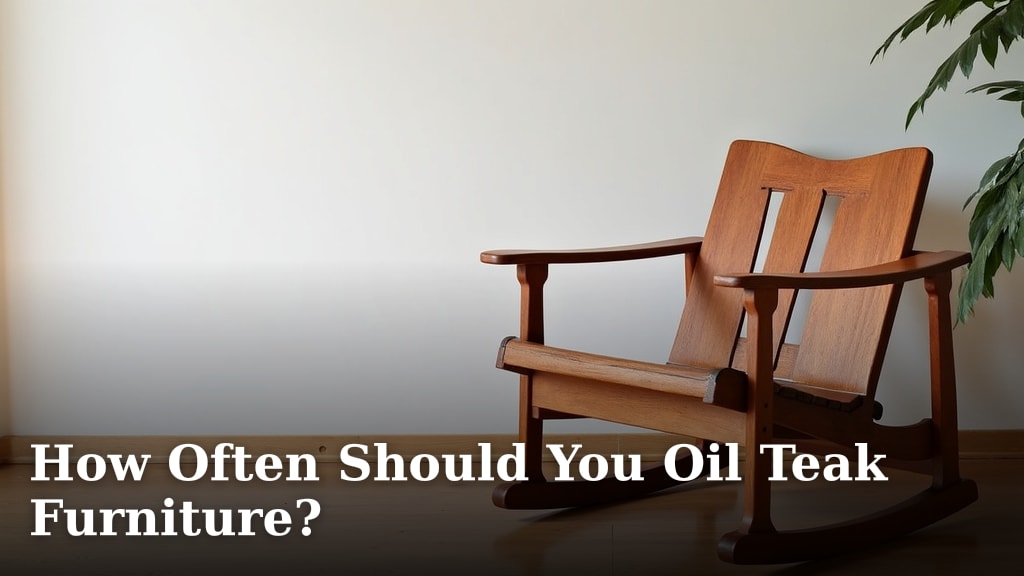
| Wood | Mild soap, dry thoroughly | Breathable cover, avoid plastic | Dry, temperature-controlled | Oil wood first, elevate from floor |
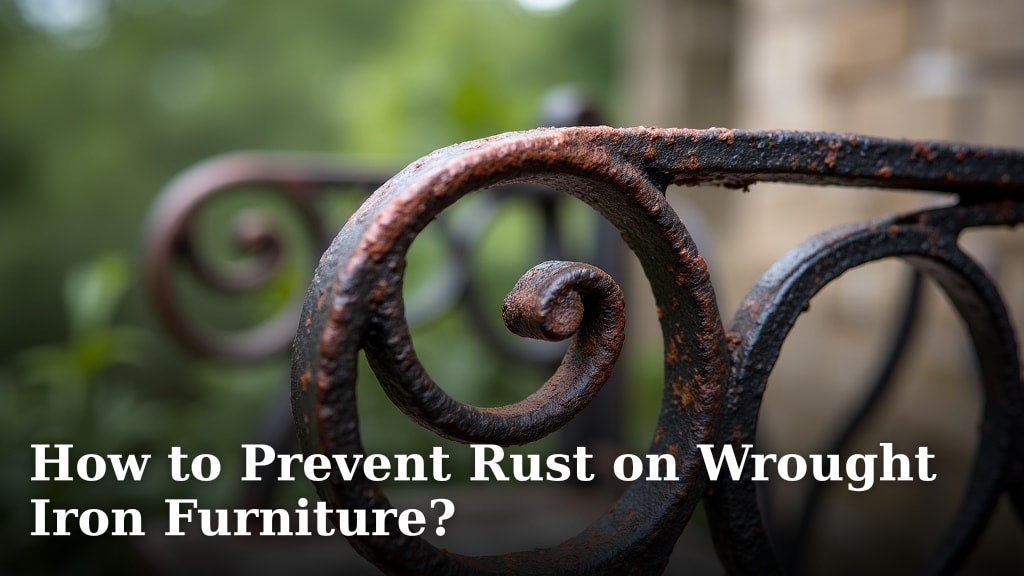
| Metal (Aluminum, Wrought Iron) | Wipe clean, check for rust | Breathable cover | Dry, can tolerate unheated shed | Rust-proof spray for wrought iron, avoid scratching |
| Wicker/Rattan | Gentle brush, damp cloth | Breathable cover | Dry, temperature-controlled | Avoid crushing, elevate |
| Plastic/Resin | Soap and water | Optional, for dust | Any dry spot | Stack carefully, avoid extreme cold |
| Fabric (Cushions) | Spot clean, dry completely | Store separately, air circulation | Dry, pest-free | Vacuum seal if possible |
Patio Furniture Storage Checklist
Here’s a quick checklist to make sure you have everything covered:
- Give every piece a good scrub down.
- Ensure everything is bone dry before putting it away.
- Take apart larger items to save space and protect joints.
- Use quality, breathable covers if storing outdoors or in a dusty area.
- Find a dry, clean, and ideally temperature-stable storage spot.
- Organize and label items for easy retrieval next season.
Dealing with Cushions and Fabrics
Cushions and other fabric items are often the trickiest parts to store. They are prime targets for mold, mildew, and pests if not handled properly. Always clean and dry them completely.
Many experts say to store cushions indoors in a climate-controlled area. Consider using airtight storage bags or containers to protect them from moisture and insects. This also makes them easier to stack and organize.
Winterizing Your Grill (A Patio Neighbor)
While not strictly furniture, your grill is often a patio staple that also needs winter care. Clean it thoroughly, remove propane tanks, and cover it with a durable, weather-resistant cover. Think of it as a good neighbor on your patio that also needs protection.
The Long Game: Regular Maintenance Matters
Even when stored, your furniture benefits from an occasional check-in. If stored in a garage, a quick peek can catch any unexpected dampness or pest activity early. Good care extends beyond just putting it away.
Conclusion
Storing your patio furniture correctly is more than just putting it away for the season; it is an act of preservation. By cleaning, drying, covering, and choosing the right storage spot, you ensure your outdoor oasis remains beautiful and ready for enjoyment year after year. A little effort now brings a lot of peace of mind later.
Do I need to wash my patio furniture before storing it?
Yes, absolutely. Washing your patio furniture thoroughly before storage removes dirt, grime, and food particles, which can attract pests or lead to mold and mildew during storage. Always ensure it’s completely dry afterward.
Can I store patio furniture outside during winter?
You can store some types of durable patio furniture outside, but it is not ideal for all materials. If you must store it outside, use high-quality, breathable, waterproof covers and elevate items off the ground to prevent moisture accumulation.
How do I prevent rust on metal patio furniture in storage?
To prevent rust, clean metal furniture thoroughly, ensure it is completely dry, and apply a rust-inhibiting spray if possible. Store it in a dry environment, and use breathable covers that do not trap moisture against the metal.
Is it better to store patio cushions in vacuum-sealed bags?
Vacuum-sealed bags are an excellent option for storing patio cushions. They protect against moisture, pests, and odors, and also significantly reduce the space needed. Just ensure cushions are clean and fully dry before sealing.
Should I disassemble all my patio furniture for storage?
You do not need to disassemble all furniture, but it is often beneficial for larger or more complex pieces like tables or sectionals. Disassembly saves space, reduces stress on joints, and can prevent damage during handling. Keep all hardware organized if you do.