How To Protect Metal Patio Furniture?
To protect metal patio furniture, consistently clean it, apply rust-inhibiting finishes, and store it safely during extreme weather. These actions are your best defense.
Preventing corrosion and fading on your metal patio furniture ensures it stays beautiful and functional for many seasons of enjoyment.
Here’s a quick overview of how to safeguard your outdoor metal furniture:
- Regularly clean your furniture to remove dirt and moisture.
- Apply rust-preventative coatings or waxes for an extra shield.
- Use quality furniture covers to guard against harsh elements.
- Store items indoors or in a sheltered spot during winter or heavy storms.
- Inspect furniture yearly for any signs of rust and treat them quickly.
How To Protect Metal Patio Furniture?
Protecting your metal patio furniture involves a blend of regular cleaning, applying protective coatings, and smart seasonal storage. These simple actions make a big difference in preventing rust and wear, keeping your pieces looking great.
Why Metal Furniture Needs Your Protection
Your outdoor metal furniture, while tough, faces a constant battle against nature. Rain, sun, and humidity are always trying to cause damage. Understanding these threats helps you prepare your defenses.
The Silent Threat: Rust and Corrosion
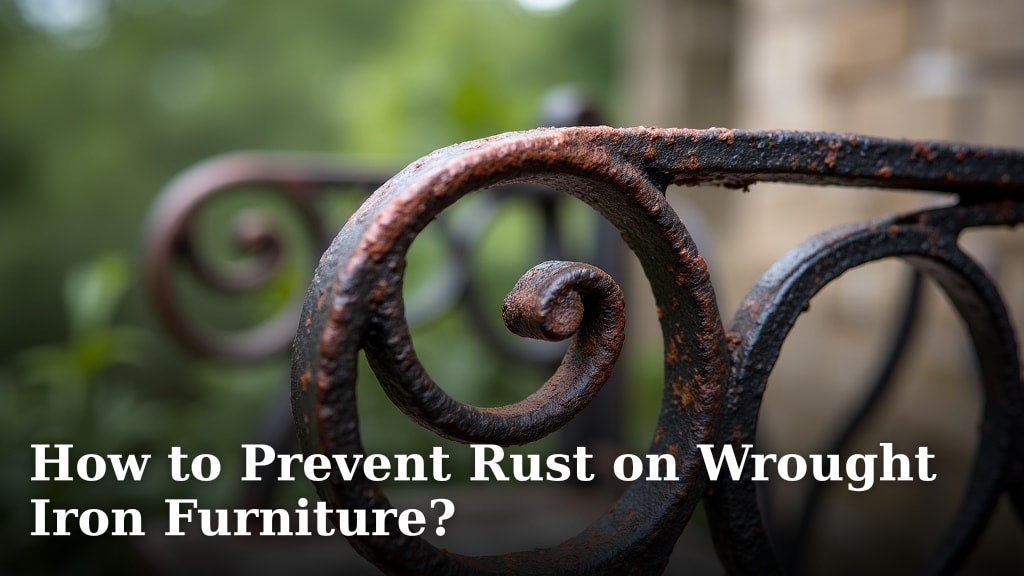
Rust is the arch-nemesis of most metal furniture, especially iron and steel. It’s a chemical reaction caused by moisture and oxygen, slowly weakening and destroying the metal. You want to stop rust before it starts.
The Sun’s Harsh Glare
Beyond rust, the sun poses another threat. UV rays can fade colors and even degrade protective coatings over time. Just like your skin, your furniture benefits from protection against sun exposure.
Your First Line of Defense: Cleaning
Keeping your furniture clean is probably the easiest and most effective protective measure. Think of it like washing your car; it’s not just for looks, but for preservation too. A little elbow grease goes a long way here.
Routine Wipes: A Simple Start
Every few weeks, give your furniture a quick wipe down. Use a soft cloth with mild soap and water. This removes pollen, dust, and grime that can trap moisture and start the rust process. It’s a quick win for longevity.
Deep Cleaning: When and How
At least once a season, consider a more thorough cleaning. We found that a solution of warm water and dish soap works wonders. Rinse thoroughly and allow the furniture to dry completely in the sun.
The Power of Protection: Coatings and Sealants
Once clean, adding a protective layer is the next smart move. These coatings act like a shield, creating a barrier between the metal and the harsh outdoor elements. There are a few options to consider for your specific needs.
Rust-Inhibiting Primers: A Strong Base
If you’re repainting, a rust-inhibiting primer is a must. Many experts say this step is non-negotiable for lasting protection. It binds to the metal and helps prevent rust from forming beneath your topcoat.
Protective Paints: Color and Shield
Outdoor-specific paints are designed to resist weather and fading. They offer both aesthetic appeal and a vital protective layer. When selecting, look for paints labeled for exterior metal use for the best results.
Clear Coats and Waxes: An Invisible Barrier
For existing finishes or painted surfaces, a clear coat or a protective wax can add an extra layer. Think of it as a topcoat for your furniture. It provides a hydrophobic surface that repels water droplets, slowing corrosion.
Smart Storage Solutions
Sometimes, the best protection is simply moving your furniture out of harm’s way. This is especially true during severe weather or the off-season. Thoughtful storage extends the life of your pieces significantly.
Furniture Covers: Your Outdoor Armor
When you can’t bring furniture inside, good quality covers are your next best friend. Look for covers that are waterproof, UV-resistant, and breathable. They shield against rain, snow, and sun, keeping your furniture safe and dry.
Winterizing: Bringing it Inside
For most climates, winter storage indoors is ideal. A garage, shed, or even a basement works perfectly. This eliminates exposure to freezing temperatures, snow, and ice, which are especially tough on metal finishes.
Off-Season Storage Checklist
- Clean and dry furniture thoroughly before storing.
- Apply any necessary protective coatings or touch-up paint.
- Remove cushions and store them separately indoors.
- Cover furniture even when stored in a sheltered area for extra protection.
- Ensure adequate ventilation if storing in a damp space (NIH recommends good air circulation to prevent mold).
Dealing with Existing Rust
Even with the best care, rust spots can sometimes appear. Don’t panic! Catching and treating these spots early is key. It’s like finding a small leak in a boat; you want to patch it quickly before it becomes a bigger problem.
Catch It Early: The Inspection Routine
Make it a habit to inspect your metal furniture periodically. Look for tiny bubbles under the paint or small reddish-brown spots. The sooner you find them, the easier they are to fix.
Rust Removal Techniques
For minor rust, steel wool or a wire brush can gently remove the surface corrosion. For tougher spots, a sanding block or even a rust-removing gel can be effective. Always follow up with primer and paint to reseal the surface.
Repairing Minor Damage
After removing rust, clean the area well. Apply a rust-inhibiting primer, then match your furniture’s original paint color. Small touch-ups blend in well and help prevent the rust from spreading to new areas.
Common Metal Types and Their Needs
Different metals react differently to the elements. Knowing what your furniture is made of helps you choose the right protection strategy. Each metal has its unique quirks.
| Metal Type | Primary Concern | Best Protection Tips |
|---|---|---|
| Wrought Iron | Rusting, Heavy | Frequent cleaning, rust-inhibiting primer, outdoor paint, covers. |
| Aluminum | Oxidation, Pitting | Regular cleaning, clear coat sealant, avoid harsh chemicals. |
| Steel (Stainless) | Surface rust (flash rust) | Wipe clean, specialized stainless steel cleaners, avoid abrasive scrubbing. |
| Cast Iron | Rust, Chipping paint | Seasonally clean, repaint with rust-resistant enamel, always cover. |
The Role of Cushions and Accessories
While not metal, your cushions and accessories can affect the furniture’s longevity. Wet cushions can trap moisture against the metal frames. Always bring cushions in or store them separately when not in use.
Seasonal Care: A Year-Round Plan
Maintaining your metal patio furniture is not a one-time task; it’s a continuous effort. Breaking it down by season makes it more manageable. A little foresight saves a lot of trouble.
Spring is for deep cleaning and touch-ups. Summer means regular wipes and covers for sudden showers. Fall calls for one last clean and getting ready for winter storage. These seasonal shifts help keep things on track.
Mistakes to Avoid
Many common mistakes can accidentally shorten your furniture’s life. Don’t use harsh abrasive cleaners that scratch finishes. Avoid leaving furniture exposed during heavy storms without covers. Forgetting to dry furniture completely after cleaning is also a big no-no.
Your Metal Furniture Protection Checklist
- Check for dirt and grime: Clean regularly with mild soap and water.
- Inspect for rust: Address any spots immediately with proper removal.
- Reapply protection: Use primers, paints, or clear coats as needed.
- Cover up: Use breathable, waterproof covers when not in use.
- Store smart: Bring indoors for extreme weather or off-season.
Conclusion
Protecting your metal patio furniture doesn’t require a huge investment of time or money. It’s about being proactive with cleaning, applying protective layers, and smart storage. By adopting these simple practices, you can significantly extend the beauty and usefulness of your outdoor pieces.
Imagine enjoying your comfortable and stylish patio furniture for many more seasons to come, all thanks to a little care. Your efforts now will certainly pay off in lasting enjoyment.
How often should I clean my metal patio furniture?
Aim for a light cleaning every 2-4 weeks during peak season to remove dirt and pollen. A more thorough deep clean, including a good rinse and drying, is recommended at least once per season, like in spring and fall.
Can I use car wax to protect my metal patio furniture?
Yes, you can often use a good quality car wax on clean, dry metal patio furniture. It provides a clear, water-repellent layer that can help protect against moisture and UV rays. Test it on an inconspicuous spot first to ensure compatibility with your finish.
What’s the best way to store metal patio furniture in a small space?
When space is tight, look for stackable furniture or pieces that can be easily disassembled. Vertical storage solutions like wall hooks for chairs can also save floor space. Always clean and dry furniture thoroughly before storing, regardless of space.
Is it okay to leave metal furniture uncovered in light rain?
Occasional light rain might not cause immediate issues for well-maintained metal furniture with intact protective coatings. However, prolonged exposure to moisture, even light rain, can accelerate rust and wear. It’s always best practice to cover or move furniture if rain is expected.
How do I know if my metal furniture needs a new coat of paint?
Look for signs like fading color, chipping or peeling paint, and small rust spots appearing on the surface. If the finish looks dull, worn, or isn’t repelling water like it used to, these are clear indicators that it’s time for a fresh coat of paint and renewed protection.