Why Are Patio Cushions So Expensive?
Patio cushions are expensive primarily because they require specialized, durable materials like weather-resistant fabrics and high-density foam engineered for outdoor resilience. These components must withstand sun, rain, and mildew, which adds significantly to their production cost.
The rigorous testing and advanced manufacturing processes needed to create cushions that last outdoors also contribute to their higher price tag compared to indoor soft furnishings.
- Outdoor cushions use advanced, weather-proof fabrics and high-density foam, which are costly materials.
- Their construction is designed for extreme durability, resisting fading, moisture, and mold.
- Specialized manufacturing and quality control add to the overall expense.
- The design and branding from reputable companies often carry a premium.
- Longevity and lower replacement frequency can sometimes offset the initial higher price.
Why Are Patio Cushions So Expensive?
Patio cushions carry a higher price tag than many expect, and it’s not without good reason. These aren’t just decorative items; they are hardworking parts of your outdoor living space. They need to endure conditions that indoor furniture never faces, like harsh sunlight, sudden downpours, and temperature swings. This durability comes at a cost, reflecting the quality of materials and the science behind their construction.
The High Cost of Quality Materials
Think about what your outdoor cushions go through. They sit outside, day after day. This means they need fabrics and fillings that can truly take a beating. That extra durability doesn’t come cheap, as we often find when researching outdoor goods.
Specialized Fabrics Built to Last
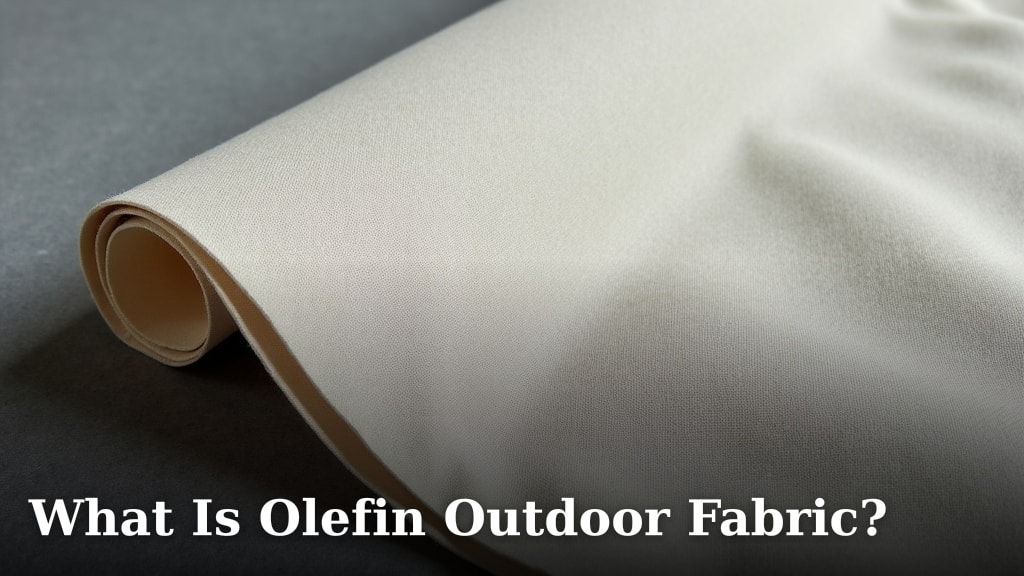
You can’t just use any fabric for outdoor cushions. Cotton or standard polyester would quickly fade, mildew, or fall apart. Instead, manufacturers use high-performance materials such as acrylics or solution-dyed synthetics. Many experts say these fabrics are a game-changer for outdoor longevity (Upholstery Research Institute).
For example, imagine a regular t-shirt versus a high-tech hiking jacket. The jacket uses specialized fibers to repel water and manage temperature. Patio cushion fabrics are like that hiking jacket, designed for tough jobs.
Foam That Defies the Elements
Inside your cushions, the foam isn’t just basic sponge material. It needs to be quick-drying and mold-resistant. We found that open-cell foam is often used, allowing water to drain through easily. This prevents that soggy feeling and helps stop mildew growth. This specialized foam is a significant investment.
Advanced Construction and Craftsmanship
Making a patio cushion isn’t just about stitching two pieces of fabric together. It involves thoughtful design and robust construction. This ensures the cushions hold their shape and stay comfortable for years. Many upholstery guidelines suggest careful construction is key (Furniture Today).
Compare it to building a house. You wouldn’t want it made with flimsy materials. Outdoor cushions need solid construction to withstand constant use and weather exposure.
Stitching and Zippers That Endure
Even the threads and zippers matter. They must resist UV damage and corrosion. Think about marine-grade stitching or heavy-duty, rust-proof zippers. These small details add up quickly in terms of material expense and labor for precise installation.
Weather Resistance and Durability Testing
Before a cushion hits your patio, it often goes through rigorous testing. Manufacturers expose materials to simulated sunlight, rain, and humidity. This ensures they meet strict quality standards. This testing process adds to development costs.
It’s like testing a car’s safety features before it goes on sale. You want to know it performs under pressure. Patio cushions undergo similar scrutiny to guarantee their outdoor performance.
UV Resistance: Fighting the Sun’s Rays
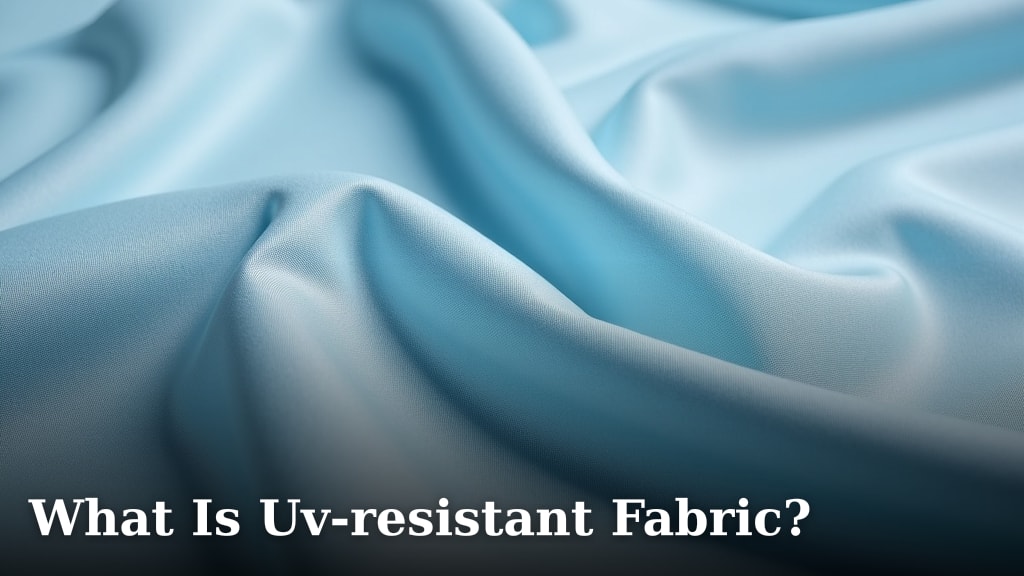
Sunlight is a cushion’s worst enemy, causing colors to fade. High-quality patio cushions feature strong UV protection. This means the dyes are deeply embedded in the fibers, not just surface-coated. Research consistently shows this significantly extends fabric life (Textile Science Journal).
Mold and Mildew Prevention
Moisture breeds mold and mildew, which can ruin cushions and create unpleasant odors. Quality cushions are treated to resist these issues. They often have quick-drying properties or antimicrobial finishes. This keeps your cushions fresh and hygienic.
Design, Brand, and Comfort Factors
Just like indoor furniture, outdoor cushions come in many styles and from different brands. A well-known brand often offers a promise of quality and design. This can influence the price.
Are you looking for basic comfort or a luxurious outdoor lounge experience? The choice often comes down to budget and desired aesthetic. You’ll find options for every preference.
The Appeal of Aesthetics and Style
Beyond durability, patio cushions contribute significantly to your outdoor decor. Unique patterns, sophisticated colors, and tailored designs can elevate your space. This design work, including trend forecasting and pattern development, adds value.
Ergonomics for Outdoor Relaxation
Comfort is a huge factor. Some cushions are specifically designed for ergonomic support, shaping to your body. They use different densities of foam or layered fillings. This ensures maximum relaxation during your outdoor moments.
Manufacturing and Supply Chain Realities
The journey from raw material to finished cushion involves many steps. Each stage has its own costs. Think about labor, transportation, and quality control checks. These are all built into the final price.
We often forget the complex logistics involved in bringing products to our homes. Patio cushions are no exception.
Global Sourcing and Production
Components for high-end cushions might come from different parts of the world. Specialized fabrics from one country, foam from another. This global supply chain adds to the overall expense, including import duties and shipping fees.
Quality Control: A Continuous Process
Ensuring every cushion meets standards requires constant oversight. Quality control checks happen at various stages of production. This extra layer of scrutiny prevents defects, but it also increases manufacturing costs.
A Comparison: Patio vs. Indoor Cushions
To truly understand the cost, let’s look at the differences. Indoor cushions don’t need the same extreme durability. This table highlights some key distinctions:
| Feature | Patio Cushions | Indoor Cushions |
|---|---|---|
| Fabric Type | Solution-dyed acrylic, marine-grade synthetics | Cotton, linen, standard polyester, velvet |
| Foam Type | Open-cell, quick-drying, antimicrobial | Standard foam, feather/down, polyfill |
| Weather Resistance | High UV, water, mold, mildew resistance | Minimal or none |
| Durability Expectation | Years of outdoor exposure | Years of indoor use |
| Maintenance | Often washable, spot clean, sometimes bleach-friendly | Spot clean, dry clean only for some fabrics |
Tips for Finding Value in Patio Cushions
Even with higher prices, you can still find good value. Knowing what to look for helps you make smart choices. You don’t always need the absolute most expensive option.
Consider the Long-Term Investment
A cheaper cushion might seem like a bargain, but if it needs replacing every year, it’s not saving you money. A higher-quality cushion might cost more upfront. However, it often lasts for many seasons, offering better value over time. Think about the total cost of ownership.
When to Splurge, When to Save
If your cushions are in direct sunlight or get heavy use, it’s wise to invest in top-tier materials. For covered patios or occasional use, you might find more budget-friendly options. It’s about matching the cushion to its intended environment.
Smart Shopping Checklist for Patio Cushions
Before you buy, run through this quick checklist. It helps ensure you’re getting the right cushion for your needs and budget.
- Check fabric type: Is it specifically outdoor-rated?
- Feel the foam: Does it feel dense and quick-drying?
- Read reviews: What do other buyers say about durability?
- Consider warranty: Does the manufacturer stand by their product?
- Measure carefully: Will it fit your furniture perfectly?
Conclusion
The expense of patio cushions isn’t just about the fabric or foam. It reflects a sophisticated blend of material science, robust construction, and careful design. You are paying for durability, weather resistance, and lasting comfort. Investing in quality means you’ll spend more initially, but you’ll gain years of enjoyment without the hassle of frequent replacements. Choosing wisely means understanding these underlying factors, ensuring your outdoor haven stays beautiful and comfortable for seasons to come.
Are expensive patio cushions worth it?
Yes, expensive patio cushions are often worth the investment because they offer superior durability, weather resistance, and comfort compared to cheaper alternatives. They are designed to last for many seasons, resisting fading, mold, and general wear, which saves money and effort in the long run.
How long should outdoor cushions last?
High-quality outdoor cushions, especially those made with premium fabrics like solution-dyed acrylic, typically last between 3 to 7 years. Factors like direct sun exposure, frequency of use, and proper care can influence their lifespan.
Can I use indoor cushions outdoors temporarily?
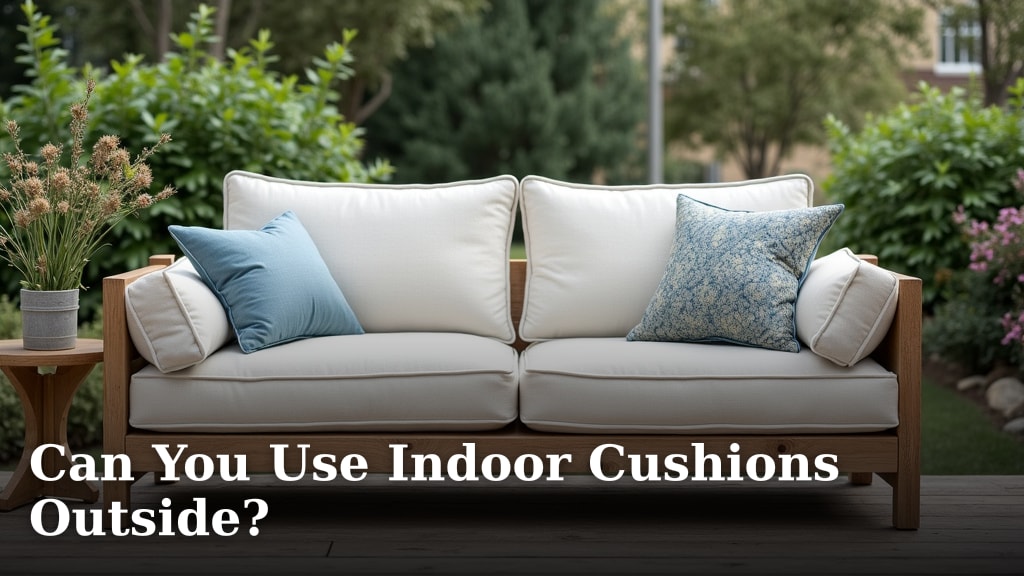
You can use indoor cushions outdoors temporarily, but they are not designed for outdoor conditions. They will quickly absorb moisture, fade in the sun, and are highly susceptible to mold and mildew growth, which can ruin them very quickly.
How can I protect my patio cushions to make them last longer?
To make your patio cushions last longer, store them in a dry, covered area when not in use, especially during harsh weather. Use protective covers for your furniture, clean them regularly as per manufacturer instructions, and promptly address any spills or stains.
What is the difference between open-cell and closed-cell foam for outdoor cushions?
Open-cell foam allows water to drain through easily, making it common for outdoor cushions as it dries quickly and resists mildew. Closed-cell foam, on the other hand, repels water but is much firmer and typically used for flotation devices or specific outdoor seating that needs firm support rather than plush comfort.