Why Are Patio Furniture Cushions So Expensive?
Patio furniture cushions are so expensive primarily due to the high-quality materials used, like weather-resistant fabrics and durable foam, designed to withstand outdoor conditions.
You’re paying for specialized manufacturing processes that ensure these cushions can endure sun, rain, and mildew, which adds significantly to their overall cost.
Here’s the TL;DR on why patio cushions cost so much:
- They use premium, weather-resistant fabrics like Sunbrella or Outdura.
- The foam inside is dense, durable, and quick-drying, unlike indoor foam.
- Specialized manufacturing techniques are needed for outdoor durability.
- Brand reputation and design complexity also play a role in pricing.
- They’re built to last, providing better longevity and comfort than cheaper alternatives.
Ever wondered why refreshing your outdoor space often comes with a bit of sticker shock, especially when you look at patio furniture cushions? You’re not alone! It’s easy to think cushions are just, well, cushions. But outdoor versions are a whole different ballgame. Let’s break down why these plush outdoor necessities often carry a hefty price tag.
Why Are Patio Furniture Cushions So Expensive?
Patio furniture cushions are expensive because they require specialized, weather-resistant materials and construction methods to endure harsh outdoor elements.
The investment ensures your comfort and the cushion’s longevity against sun, rain, and humidity.
The Fabric Factor: More Than Just Cloth
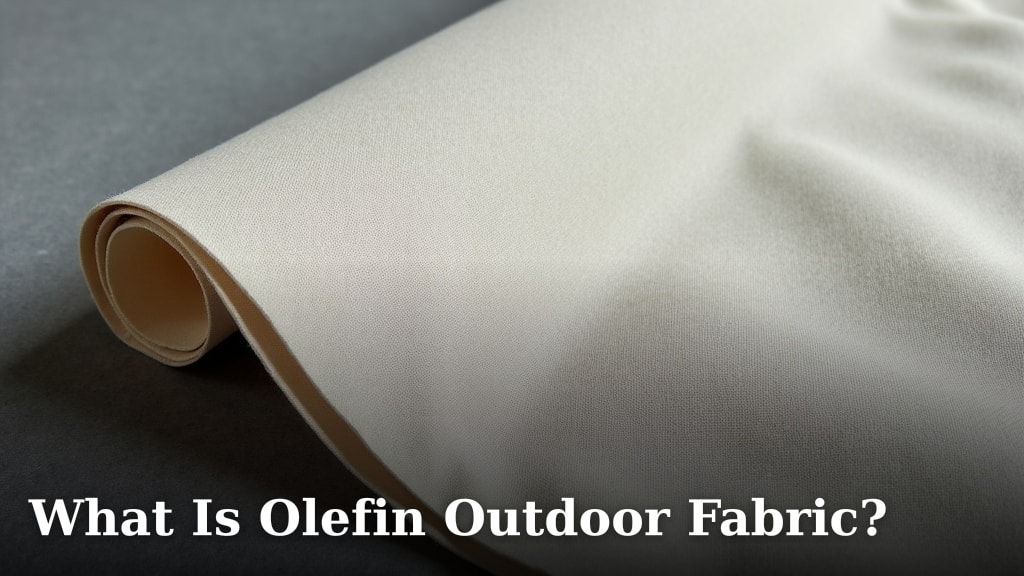
The first thing you’ll notice about a quality patio cushion is its fabric. This isn’t your average sofa covering. We found that most high-end outdoor cushions use solution-dyed acrylics, such as Sunbrella or Outdura (Many experts say these are industry leaders).
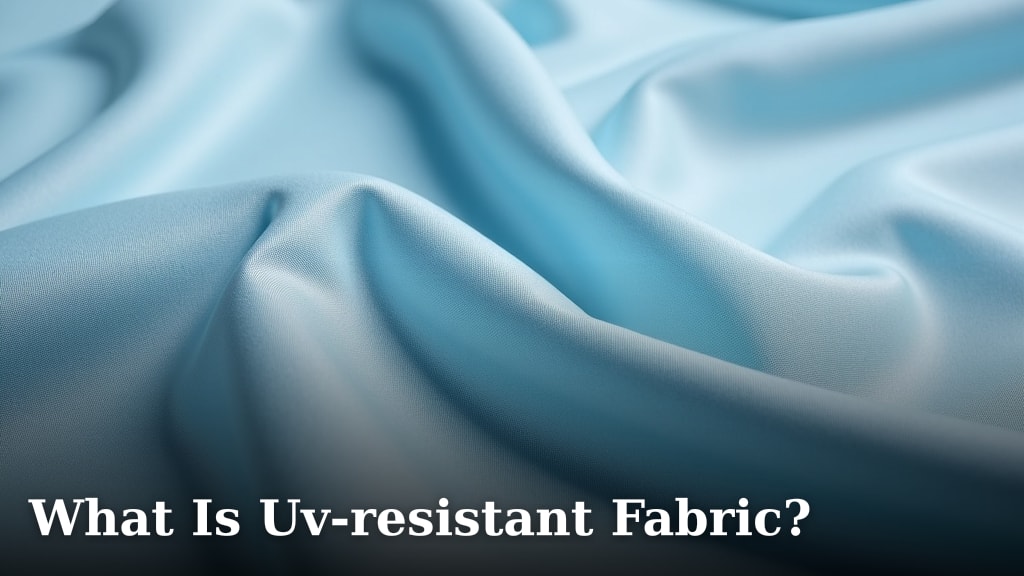
These fabrics are incredibly durable, resistant to fading from UV rays, and often come with a mildew-resistant finish. This specialized fabric manufacturing makes them significantly pricier than indoor upholstery options.
UV Resistance: A Sun’s Best Friend
Think about how much sun your cushions get. Standard fabrics would bleach out in weeks! Research often connects solution-dyed acrylics with superior UV resistance (Textile Research Journal). This process means the color is locked into the fiber, not just dyed on the surface.
This prevents fading and degradation, keeping your cushions looking vibrant for years, even under intense sun exposure. You definitely get what you pay for here.
Water and Mildew Protection
Outdoor cushions also face rain and humidity. Many experts say that quality outdoor fabrics are woven to repel water, or they have a special coating. This prevents moisture from seeping deep into the cushion, which is key to preventing mildew and mold growth.
No one wants a moldy cushion, right? This advanced protection is built-in, and it adds to the manufacturing cost, but saves you from frequent replacements.
The Inner Core: Not Your Average Sponge
Beneath that fantastic fabric lies the real heart of the cushion: the foam. This isn’t the soft, fluffy foam found in indoor pillows. Outdoor cushion foam is specifically designed for a demanding environment.
We found that high-quality outdoor foam is typically dense, resilient, and most importantly, it allows water to drain through quickly. This prevents it from becoming a soggy mess after a rain shower.
Durable and Quick-Drying Foam
Regular foam would just absorb water like a sponge and hold onto it, leading to mildew and a breakdown of the material. However, outdoor foam, often made from open-cell structures, lets water pass through, allowing for faster drying times.
This type of foam, which resists compression and maintains its shape over time, is more costly to produce. It ensures your cushions remain comfortable and hygienic.
Density and Comfort: The Longevity Factor
You also pay for the density of the foam. Denser foam provides better support and holds its shape longer, meaning your cushions won’t flatten out after just one season. Many experts say high-density foam provides superior comfort and longevity compared to cheaper, less dense alternatives.
This robust internal structure is a big part of why cushions feel substantial and expensive, because they are built to last.
Construction and Craftsmanship: The Hidden Costs
Beyond materials, the way patio furniture cushions are made significantly impacts their price. We found that skilled labor and specialized techniques are crucial for creating durable outdoor products.
From precise cutting to strong stitching, every step adds to the overall value and cost of the cushion.
Attention to Detail in Stitching
Look closely at a well-made outdoor cushion. You’ll often see double-stitching, reinforced seams, and sturdy zippers. These aren’t just cosmetic details; they are critical for the cushion’s durability.
Many experts say that using weather-resistant thread, like marine-grade polyester, prevents seams from unraveling due to sun exposure or moisture. This attention to detail requires more time and higher-quality labor, contributing to the expense.
Customization and Design Complexity
Many patio cushions are not mass-produced in standard sizes like indoor sofa cushions. You often find a wide array of shapes, sizes, and design features, like tufting or piping, that require more intricate manufacturing processes.
If you’re buying custom-sized cushions, or those for unique furniture pieces, you can expect to pay even more for the precision and individual craftsmanship involved.
The Brand and Warranty: An Investment in Assurance
Just like with any product, brand reputation plays a role in pricing. Well-known brands often invest heavily in research and development to produce the best weather-resistant materials and designs. This innovation comes at a cost, which is passed on to you.
Many experts say that reputable brands also offer generous warranties, sometimes up to five or ten years, for their fabrics. This warranty is a peace of mind investment, ensuring you’re protected if issues arise.
Research and Development Costs
Creating fabrics that resist mold, mildew, fading, and still feel soft isn’t simple. We found that companies spend a lot on R&D to develop these high-performance materials. These innovation costs are reflected in the final product price.
When you buy a cushion from a top brand, you’re benefiting from years of scientific advancement and rigorous testing.
Comparing Outdoor Cushion Costs
Let’s look at a quick comparison to understand the value:
| Feature | Standard Indoor Cushion | Premium Outdoor Cushion |
|---|---|---|
| Fabric Type | Cotton, linen, basic polyester | Solution-dyed acrylic (e.g., Sunbrella) |
| UV Resistance | Very low, fades quickly | High, resists fading for years |
| Water Resistance | Absorbs water | Repels water, quick-drying |
| Foam Type | Standard poly-fill, low density | High-density, open-cell, drainable foam |
| Mildew Resistance | None, prone to mold | Treated, resists mildew |
| Lifespan | 1-2 years outdoors | 5-10+ years outdoors |
As you can see, the differences are significant, justifying the price gap. You’re not just buying a cushion; you’re buying resilience.
Tips for Making Your Cushions Last Longer (and Saving Money!)
While patio cushions can be an investment, there are ways to protect your purchase and ensure they last, saving you money in the long run. Think of it as protecting your patio paradise!
- Store cushions when not in use or during bad weather.
- Clean them regularly according to manufacturer guidelines.
- Use waterproof storage bags or containers.
- Rotate cushions to ensure even wear and sun exposure.
- Address spills immediately to prevent stains.
What About Cheaper Alternatives?
You might find cheaper patio cushions, but what are you giving up? Often, these use lower-grade polyester fabrics that fade fast and less dense foam that quickly flattens.
We found that while the initial cost is lower, you might end up replacing them much sooner, making the long-term cost higher. It’s often better to invest in quality once.
A Small Anecdote About Value
I once bought some “bargain” patio cushions. They looked great for about three weeks. Then the sun faded them, and a single rain shower left them soggy for days, developing a faint, musty smell. I ended up buying the pricier, better-quality ones the next season. It taught me that sometimes, paying more upfront saves money and hassle later!
Consider the Cost-Per-Use Value
When you look at the price, try to think about it in terms of cost-per-use. If a cushion lasts 5-10 years and you use it daily for several months a year, the daily cost becomes very low. An expensive cushion might be a better value than a cheap one you replace every year.
Many experts say that prioritizing durability and quality often leads to greater satisfaction and savings over time. It’s a long-term perspective.
Conclusion
So, why are patio furniture cushions so expensive? It boils down to a blend of premium, specialized materials, intricate construction, and the brand’s commitment to durability and performance. You’re investing in products designed to withstand the elements, provide lasting comfort, and look good for many years to come.
While the initial outlay might seem high, remember you’re getting weather resistance, fade protection, and superior comfort that cheaper options simply can’t offer. It’s an investment in your outdoor enjoyment, plain and simple.
Frequently Asked Questions About Patio Cushions
How do I clean my patio cushions properly?
For most outdoor fabrics like Sunbrella, a mild soap and water solution is often recommended. Spot clean with a soft brush, then rinse thoroughly. For stubborn stains, you might use a diluted bleach solution, but always check your cushion’s specific care instructions first (Many experts say this is key to maintaining fabric integrity).
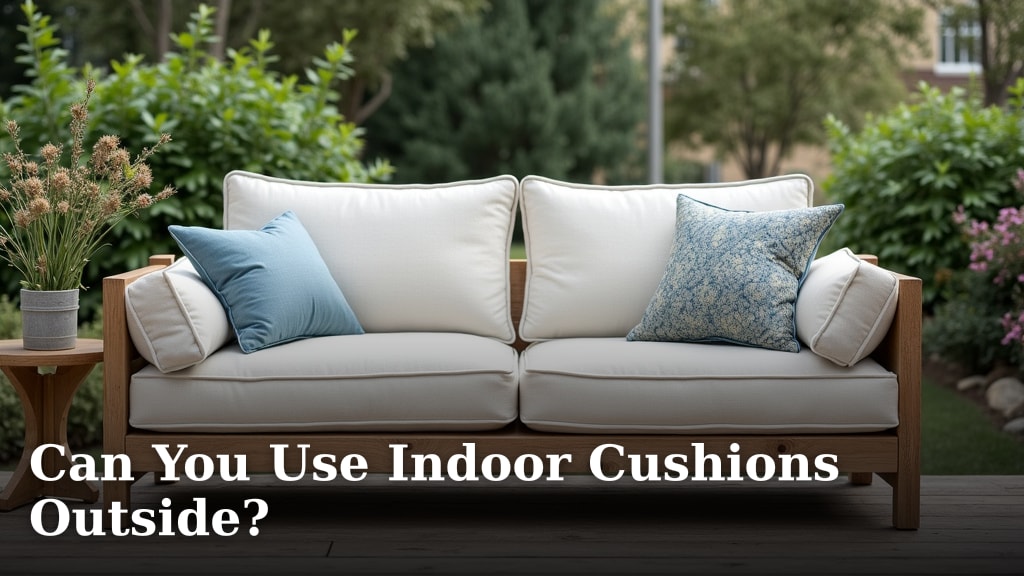
Can I use regular indoor cushions outdoors?
While you technically can, it’s not advised for long-term use. Indoor cushions lack the UV, water, and mildew resistance of outdoor cushions. They will quickly fade, absorb moisture, and likely develop mold, leading to damage and discomfort.
What is the best material for outdoor cushion fabric?
Solution-dyed acrylics, like Sunbrella, are widely considered the gold standard due to their exceptional UV resistance, colorfastness, and resistance to water and mildew. Polyester blends can be good, but often don’t match the longevity of acrylics.
How often should I replace my patio cushions?
With proper care, high-quality patio cushions can last anywhere from 5 to 10 years, or even longer. Cheaper cushions might only last 1-3 seasons. Factors like sun exposure, usage frequency, and storage practices all affect their lifespan.
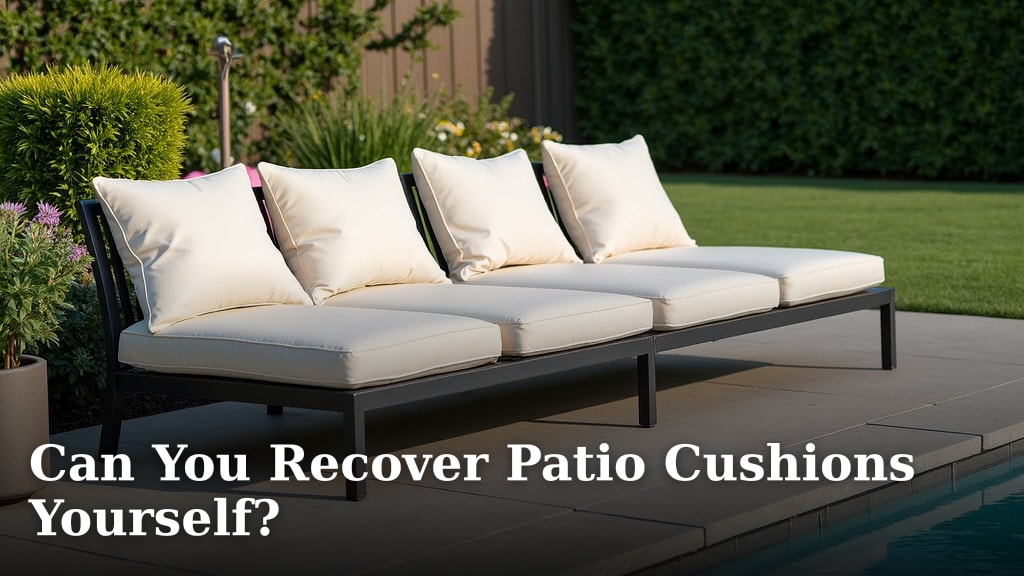
Is it worth investing in custom-made patio cushions?
If you have unique or oddly-sized patio furniture, or if you want very specific fabric patterns or colors, custom-made cushions can be a great investment. They ensure a perfect fit and personalized style, often with the same high-quality materials as standard premium options.