How To Repair Patio Chair Seats?
To repair patio chair seats, you often need to identify the material, such as sling fabric, wicker, or vinyl, then source the correct replacement parts or repair kits specific to that material.
Common repairs include replacing worn fabric, reweaving broken wicker, or re-strapping vinyl chairs, aiming to restore both comfort and appearance to your outdoor furniture.
TL;DR: Fixing your patio chair seats can bring them back to life. Here’s a quick guide:
- Identify the material: Sling, wicker, vinyl, or wood each have unique repair methods.
- Gather the right tools: Screwdrivers, scissors, and specific repair kits are often needed.
- Follow material-specific steps: Whether it’s replacing fabric or reweaving, precision matters.
- Consider DIY vs. professional help: Some repairs are simple, others may need an expert.
- Maintain your chairs: Regular care can prevent future damage.
How To Repair Patio Chair Seats?
Repairing patio chair seats usually means giving your outdoor furniture a second chance. You can often tackle these fixes yourself, bringing comfort and style back to your favorite backyard spots.
Why Do Patio Chair Seats Break?
Ever notice your patio chair seats starting to sag or tear? It is not just bad luck. We find that several factors cause this wear and tear. Constant exposure to sun, rain, and temperature shifts weakens materials over time. Think of it as a constant battle against the elements.
Your patio chairs also experience significant stress from daily use. People sitting, shifting, and even kids playing can strain seams and fibers. Many experts say that heavy use combined with harsh weather accelerates deterioration, making repairs a common need for any outdoor setup (Consumer Reports).
Common Seat Materials and Their Fixes
Patio chairs come in many styles, and each material needs a specific repair approach. Knowing what your chair is made from makes the repair process much smoother. Are you ready to dive into the different types?
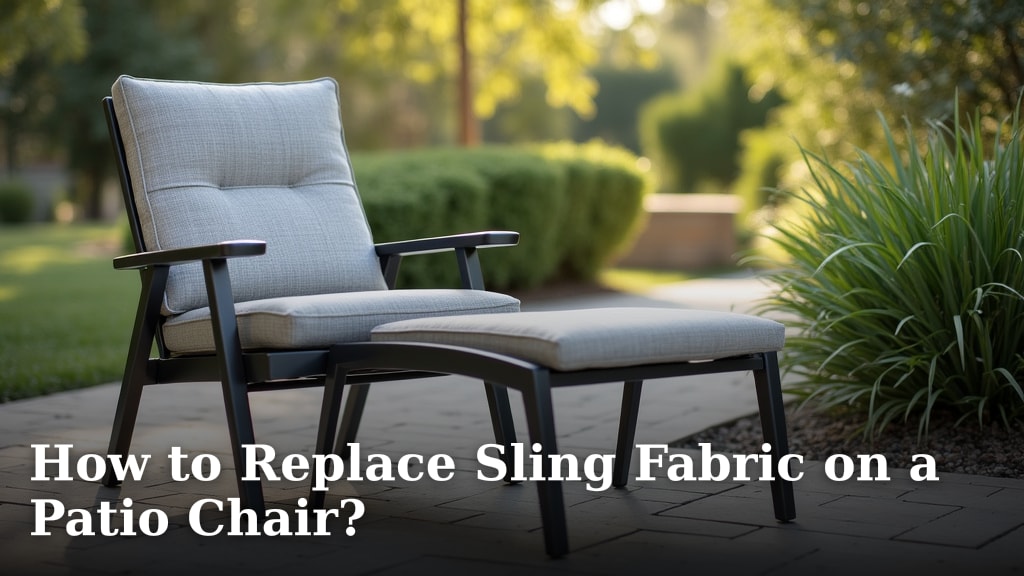
Repairing Sling Fabric Seats
Sling chairs are popular for their comfort, but the fabric can tear or fray. Replacing the sling is often the best solution when damage occurs. You essentially give the chair a whole new skin.
This process usually involves removing the old fabric, which often slides out of channels on the chair frame. We found that measuring carefully for the new fabric is key to a snug fit. Then, you simply slide the new sling into place, stretching it taut for a smooth, comfortable seat. It is a bit like fitting a new shoe – needs to be just right.
Repairing Wicker or Rattan Seats
Wicker and rattan chairs offer a classic look, but their woven nature can lead to broken strands. When a piece snaps, it can quickly unravel, creating a weak spot. It is like a loose thread on a sweater; it just keeps going.
Fixing wicker often means reweaving or replacing the damaged section. You will need new wicker material, often available in rolls, which you carefully weave into the existing pattern. Many experts say patience is a virtue here, as matching the weave can be tricky. Sometimes, using a strong adhesive can help secure new strands in place (This Old House).
Fixing Vinyl Strapping
Those colorful vinyl straps found on many classic patio chairs can stretch, crack, or break. They are practical but not invincible. When one goes, it affects the whole seat’s integrity.
Replacing vinyl straps is a straightforward repair. You simply remove the old, damaged straps, then measure and cut new vinyl straps to size. We found that soaking new straps in warm water makes them more pliable and easier to stretch for a tight fit. You then secure them to the chair frame using rivets or screws, restoring that bouncy feel.
Restoring Wood Slat Seats
Wood slat chairs bring a natural beauty to your patio, but slats can split, rot, or loosen. Over time, wood might show its age. It is a natural process, just like anything exposed to the weather.
Repairing wood seats might involve sanding down rough spots, applying a fresh coat of sealant, or replacing individual broken slats. Many experts suggest using outdoor-grade wood and screws for replacements to ensure longevity. This helps your chair stand strong against future rain and sun (Family Handyman).
Essential Tools for DIY Seat Repair
Having the right tools makes any repair job easier. You do not need a massive workshop, but a few basic items are a great start. What is in your repair kit?
- Screwdrivers (Phillips and flathead)
- Utility knife or sturdy scissors
- Measuring tape
- Pliers
- Drill (for some vinyl or wood repairs)
- Work gloves
- Clamps (helpful for stretching fabric or holding wood)
When to Call a Pro for Patio Chair Repair
Sometimes, a repair might seem beyond your skill level, and that is perfectly okay. When should you consider professional help?
If the chair frame itself is bent, rusted through, or has complex structural damage, a professional might be your best bet. We found that specialized welders or furniture restorers can tackle issues you cannot fix with simple tools. When the repair seems too big or too complicated, a pro can save you time and frustration.
Pre-Repair Checklist
Before you jump into any repair, take a moment to assess the situation. A little planning goes a long way.
- Safety First: Do you have proper gloves and eye protection?
- Assess Damage: Is it just the seat, or is the frame also damaged?
- Identify Material: What kind of seat do you have?
- Gather Supplies: Do you have all the necessary tools and replacement parts?
- Workspace Ready: Is your repair area clear and well-lit?
Extending the Life of Your Patio Chair Seats
Once you have repaired your chairs, you want them to last, right? A little preventative care can make a big difference. Think of it as an insurance policy for your outdoor furniture.
Protecting from the Elements
Weather is a patio chair’s worst enemy. Covering your chairs when not in use can significantly reduce wear. Many experts agree that quality furniture covers shield against UV rays, rain, and dirt. During off-seasons, storing chairs in a garage or shed adds another layer of protection, preventing rust and material degradation.
Regular Cleaning Habits
Simple cleaning can prevent buildup that accelerates damage. Wiping down your chairs periodically removes dirt, pollen, and grime. We found that mild soap and water usually do the trick for most materials. Regular cleaning not only keeps your chairs looking great but also helps you spot small issues before they become big problems.
Here’s a quick look at common repair types:
| Seat Material | Typical Repair | DIY Difficulty | Estimated Cost (DIY) |
|---|---|---|---|
| Sling Fabric | Fabric replacement | Moderate | Low to Medium |
| Wicker/Rattan | Reweaving/Patching | High | Medium |
| Vinyl Strapping | Strap replacement | Easy | Low |
| Wood Slats | Sanding, sealing, replacement | Easy to Moderate | Low to Medium |
Conclusion
Bringing your patio chair seats back to life is a rewarding project that often saves you money and extends the usefulness of your outdoor furniture. By understanding the different materials and their specific repair methods, you can confidently tackle most issues. From replacing a worn sling to reweaving a wicker chair, these practical steps help you maintain a comfortable and inviting outdoor space for years to come. Your patio chairs are more than just seating; they are part of your home’s outdoor story.
What kind of fabric is best for patio chair slings?
For patio chair slings, Textilene and PVC-coated polyester are generally considered best. They offer excellent durability, resistance to UV rays, mildew, and fading. Many experts suggest these materials for their long-lasting performance in outdoor conditions.
Can I paint my plastic patio chair seats?
Yes, you can paint plastic patio chair seats, but you need the right preparation and paint. We found that using a plastic-specific primer and outdoor-grade spray paint designed for plastics yields the best results. Clean the surface thoroughly and lightly sand it first to ensure good adhesion.
How do I prevent rust on metal patio chair frames?
Preventing rust on metal patio chair frames involves regular maintenance. Many experts recommend cleaning metal frames regularly and touching up any scratches or chips in the paint with rust-inhibiting paint. Applying a clear protective sealant or using furniture covers also helps shield the metal from moisture.
Is it cheaper to repair or replace a patio chair?
It is often cheaper to repair a patio chair, especially if only the seat or a few parts are damaged and the frame is still sturdy. Replacing an entire chair or set can be quite costly. However, if the chair has extensive frame damage or is very old, replacement might be the more practical choice in the long run.
Can outdoor cushions be used to fix a broken patio chair seat?
While an outdoor cushion can add comfort and temporarily cover a minor flaw, it does not fix a broken patio chair seat. If the underlying support is compromised, the cushion will not provide the necessary structural integrity. It is always better to repair the seat directly for safety and longevity.