
What Happens To Patio Furniture When It Rains?
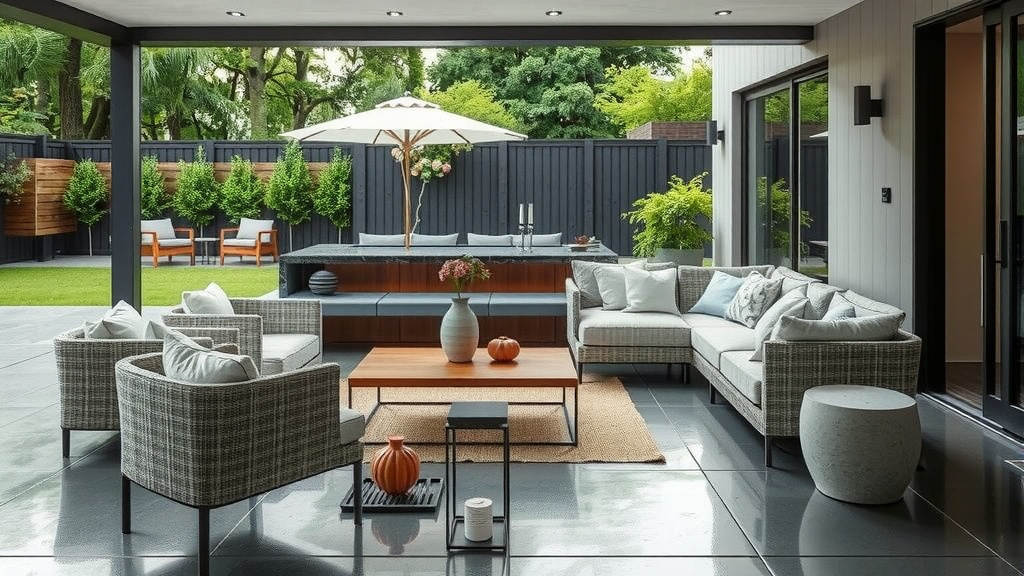
When it rains, patio furniture faces potential damage from moisture, leading to issues like rust, mildew, warping, and fading, depending on the material.
Protecting your patio furniture from rain is key to extending its lifespan and keeping it looking great season after season.
- Rain can cause metal furniture to rust and wood to warp or rot.
- Fabric cushions soak up water, leading to mold and unpleasant smells.
- UV rays and rain together often fade colors over time.
- Proper care, like covers and regular drying, protects your investment.
- Choosing weather-resistant materials often means less worry about the rain.
What Happens To Patio Furniture When It Rains?
Rain exposes your outdoor pieces to moisture, which can quickly degrade materials and shorten their life. It’s like leaving your car window open during a storm; things get messy fast.
Understanding Rain’s Impact on Different Materials
Not all patio furniture reacts to rain in the same way. What might harm one material often barely touches another. Knowing the differences helps you care for your items better.
Metal Furniture and Moisture
Many metal types, especially wrought iron and steel, are prone to rust when exposed to rain. This corrosion weakens the structure and often leaves unsightly stains on your patio surface.
Aluminum furniture, we found, generally resists rust much better due to its natural properties. Even so, standing water in crevices can lead to discoloration or even some mild pitting over time.
Wood Furniture: Swelling and Decay
Wood is a natural material that absorbs water. This often causes it to swell, warp, and crack as it dries unevenly. Unprotected wood can also develop mildew and rot, making it unsafe and unattractive.
Many experts say that hardwoods like teak and eucalyptus offer better natural resistance to moisture. Still, without regular sealing, even these sturdy woods will show signs of rain damage (University of Florida Extension).
Wicker and Rattan: Trapped Moisture
Natural wicker and rattan are made from plant fibers. When these materials get wet, they can quickly soften, sag, and eventually rot if not dried properly. Moisture often gets trapped in their woven designs.
On the other hand, synthetic resin wicker is designed to withstand rain much better. It is typically made from PVC or polyethylene, which are non-porous and resistant to water absorption.
Fabric Cushions and Upholstery: A Soggy Mess
The biggest headache with rain often involves fabric cushions. They often soak up water like sponges, leading to heavy, soggy messes. This constant dampness creates an ideal breeding ground for mold and mildew.
Beyond the smell and appearance, prolonged wetness can break down fabric fibers. Rain also helps accelerate fading when combined with the sun’s UV rays, dulling your cushion’s vibrant colors.
Protecting Your Patio Furniture from Rain Damage
Taking a few simple steps can make a big difference in how long your patio furniture lasts. Think of it as an insurance policy for your outdoor investment.
The Power of Covers and Storage
Using waterproof patio furniture covers is one of the easiest ways to protect your pieces. Look for covers that fit snugly and have vents to prevent condensation underneath. We found that a good cover can deflect most of the rain.
For cushions and smaller items, storing them in a deck box or moving them indoors during heavy rain is a smart move. Out of sight, out of mind, and out of the rain!
Regular Cleaning and Maintenance
Keeping your furniture clean helps a lot. Dust, pollen, and debris often trap moisture, creating a perfect spot for mold to start. A quick wipe-down or rinse after rain helps prevent this.
After a downpour, take a moment to wipe down surfaces, especially flat ones where water can pool. For cushions, stand them on their sides to help them drain faster. It’s like turning your laundry inside out to dry.
Choosing the Right Materials: A Smart Start
When buying new furniture, consider materials known for their rain resilience. This simple choice often saves you a lot of hassle down the road. It’s like buying a raincoat instead of a regular jacket when you know it will pour.
| Material | Rain Resilience | Key Issues | Best Practice |
|---|---|---|---|
| Aluminum | Very High | Discoloration if water pools | Wipe dry, use covers for long periods |
| Teak Wood | High (natural oils) | Fades to silver, can crack if unsealed | Clean, occasional sealing |
| Resin Wicker | High | Mildew in crevices if not cleaned | Rinse and wipe regularly | Outdoor Fabrics (e.g., Sunbrella) | Moderate to High | Mold if left wet, fading | Store cushions, dry thoroughly |
Water-Resistant Treatments and Sealants
For wooden furniture, applying a quality sealant or stain often creates a protective barrier against moisture. Many experts say that reapplication every year or two is ideal to maintain this protection.
You can also find fabric protector sprays for your cushions. These often help water bead up and roll off, reducing absorption. Think of it as a clear umbrella for your fabric.
Checklist: Post-Rain Furniture Care
- Wipe down all hard surfaces to remove standing water.
- Stand cushions on end or prop them up for better airflow and drying.
- Check for any water pooling in hollow legs or table depressions.
- Separate furniture pieces slightly to allow air to circulate freely.
- Inspect for any new stains, rust spots, or mildew growth.
The Lifespan of Well-Maintained Patio Furniture
Properly caring for your patio furniture, especially after rain, significantly extends its life. A little effort often means enjoying your outdoor space for many years, rather than just a few seasons. You’re not just buying furniture; you’re often investing in years of outdoor comfort.
Conclusion
Rain often poses a genuine threat to your patio furniture, causing problems from rust and rot to mildew and fading. But it’s not a lost cause! By understanding how different materials react and taking proactive steps—like using covers, regular cleaning, and smart material choices—you can protect your investment and keep your outdoor oasis looking beautiful. A little care often goes a very long way in the fight against the elements.
Can I leave all my patio furniture out in the rain?
It often depends on the material. While some materials like aluminum and high-quality synthetic wicker tolerate rain well, natural wood, iron, and fabric cushions can suffer significant damage. It’s generally safer to cover or store items during heavy downpours.
How do I dry patio cushions quickly after a storm?
After a storm, stand your cushions on their sides to help water drain away. If possible, place them in a sunny, breezy spot. You can also press them firmly to squeeze out excess water. Avoid placing them directly on grass, as this often traps moisture underneath.
What are the signs of rain damage on wood furniture?
Look for signs like splintering, warping (where wood bends out of shape), cracking, discoloration (dark spots or graying), or soft, spongy areas indicating rot. You might also notice mold or mildew growth on the surface.
Is outdoor furniture truly waterproof, or just water-resistant?
Most outdoor furniture is generally water-resistant, meaning it can withstand some exposure to moisture without immediate damage. Very few pieces are completely waterproof, especially over time. “Waterproof” often implies it can be submerged without issue, which is rarely the case for furniture.
When should I consider replacing rain-damaged patio furniture?
You should often consider replacing furniture when damage becomes a safety concern (like severely rusted metal or rotten wood that could break). Also, if extensive mold is present and can’t be cleaned, or if repairs become more expensive than buying new, replacement is a smart option.
