Can Patio Furniture Get Rained On?
Yes, most patio furniture is designed to withstand rain and outdoor elements, but its durability varies greatly by material. While many pieces can get wet, consistent exposure to harsh weather can shorten their lifespan.
So, your furniture can often get rained on, but how well it handles it and for how long depends entirely on what it’s made of and how you care for it.
Here’s the quick take on patio furniture and rain:
- Most outdoor furniture is built to resist moisture, but not all materials are equal.
- Leaving furniture out in constant rain can lead to damage like rust, fading, or mold.
- Regular cleaning and protective covers are your best friends for extending furniture life.
- Material choice is key: some handle downpours better than others.
- Even “weather-resistant” pieces benefit from occasional care and protection.
Can Patio Furniture Get Rained On?
Absolutely, much of it can. Most manufacturers design outdoor furniture to endure various weather conditions, including rain.
However, “can it get rained on” is different from “should it get rained on constantly” – materials react differently to water.
Understanding “Weather-Resistant”
When you see “weather-resistant” on a furniture tag, it means the item is built to handle typical outdoor conditions. This often includes some rain.
Think of it like a good raincoat: it protects you, but you wouldn’t stand in a downpour all day without expecting to get a little damp.
The Real Impact of Rain on Your Furniture
Even weather-resistant furniture can suffer from frequent or heavy rain. What happens really depends on the material.
For example, research often points out that UV rays combined with moisture can speed up material degradation (NIH).
Different Materials, Different Reactions
Each type of patio furniture material has its own way of dealing with water. Knowing these differences helps you make smart choices.
Let’s look at how common materials hold up when the skies open up.
Aluminum: The Rust-Proof Champion
Aluminum patio furniture is a top choice for rainy climates. It naturally resists rust, which is a big plus.
While the frames handle water well, cushions and fabric components still need protection.
Wrought Iron: A Classic with a Catch
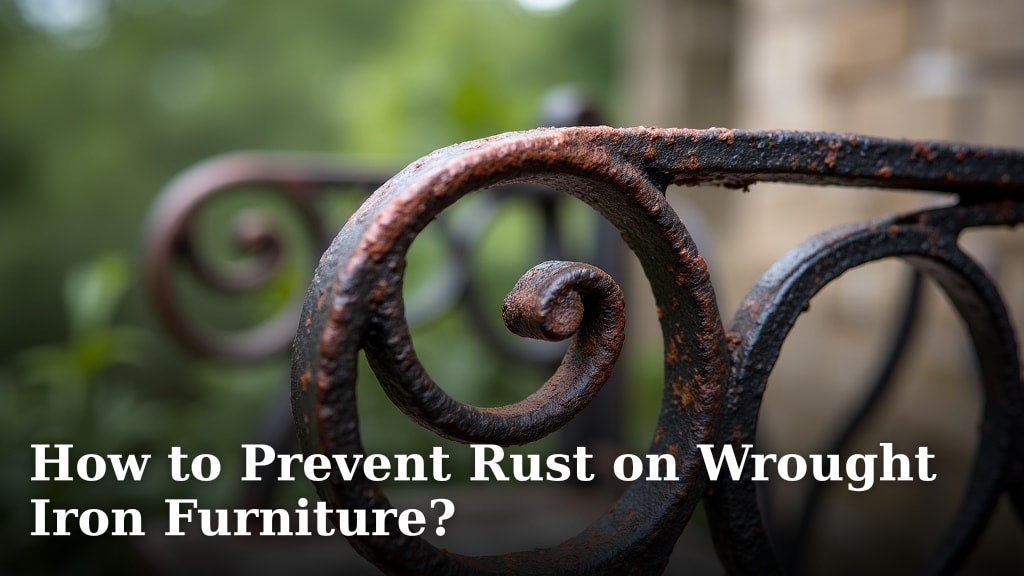
Wrought iron is sturdy and beautiful, but it needs a little more care. It can rust if its protective finish is chipped or worn.
Many experts advise regular touch-ups to prevent water from reaching the metal.
Teak and Other Woods: Natural Beauty, Specific Needs
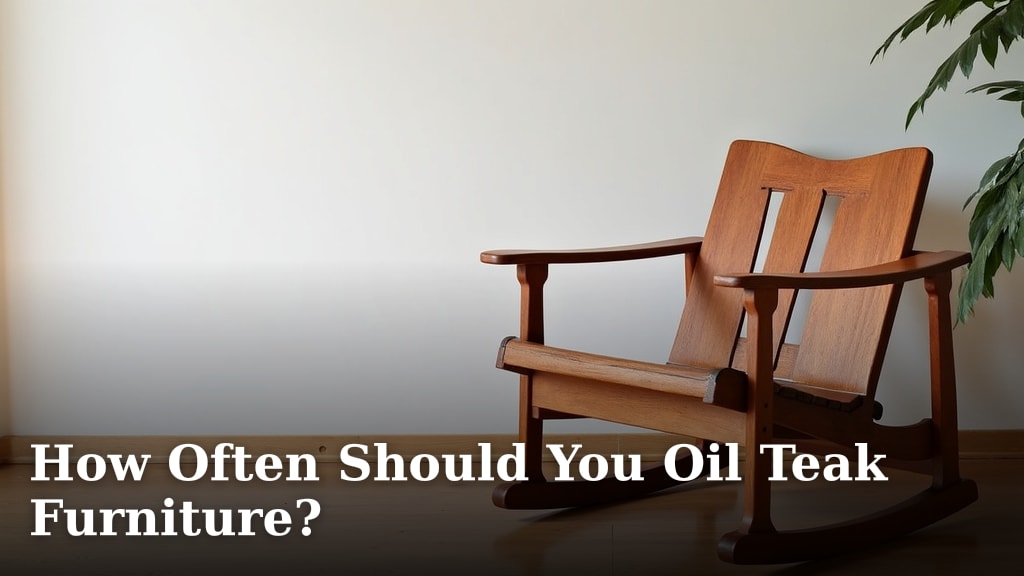
Teak is famous for its natural oils that resist water and rot. It weathers to a beautiful silver-gray patina.
Other woods, like cedar or redwood, also do well but might need sealing to truly thrive in wet conditions.
Resin Wicker: The Modern Solution
Resin wicker, made from synthetic materials, is highly water-resistant. It doesn’t rot, rust, or unravel from moisture.
This material is often a go-to for low-maintenance outdoor living, according to many suppliers we spoke with.
Plastic and HDPE: Simple and Tough
Plastic and High-Density Polyethylene (HDPE) furniture are virtually impervious to rain. They won’t rust, rot, or fade easily.
These options are super easy to clean and great for areas with constant exposure to moisture.
Fabrics and Cushions: The Most Vulnerable
Even outdoor fabrics, designed to be quick-drying, can develop mildew or mold if left perpetually damp.
This is where protective covers or simply bringing cushions inside becomes very important.
Comparing Material Durability to Rain
Here’s a quick guide to how common patio furniture materials handle rain:
| Material | Rain Resistance | Key Concern | Care Tip |
|---|---|---|---|
| Aluminum | Excellent | Cushions | Wipe dry, store cushions |
| Resin Wicker | Excellent | Dirt/Grime | Hose off, mild soap |
| HDPE/Plastic | Excellent | Dirt/Stains | Easy to clean |
| Teak Wood | Very Good | Patina, mold on surface | Allow to dry, occasional cleaning |
| Cedar/Redwood | Good | Sealing needed | Reapply sealant every few years |
| Wrought Iron | Moderate | Rust | Inspect for chips, touch up paint |
| Steel | Moderate | Rust (especially if coated fails) | Keep dry, protect coating |
Protecting Your Patio Pieces from the Elements
You can do a lot to keep your furniture happy, even when the weather turns sour. A little effort goes a long way.
Think of it as giving your outdoor space a weather-proof hug.
The Magic of Furniture Covers
High-quality furniture covers are perhaps the simplest and most effective defense against rain. We found that covers designed to fit snugly work best.
They create a barrier, keeping water, dirt, and even bird droppings off your furniture.
Bring Cushions Inside, Always
This is a golden rule for patio furniture care. Even the best outdoor cushions can get waterlogged and grow mildew if left out in the rain.
Bringing them in saves them from a damp, moldy fate.
Regular Cleaning and Drying
After a rain shower, wipe down non-porous surfaces. For wood, let it air dry naturally.
Cleaning regularly removes dirt and pollen that can trap moisture and cause problems.
Tilting for Drainage
For items that collect water, like chairs with flat seats or tabletops, a simple tilt can make a big difference.
This helps water run off, preventing puddles from sitting and potentially causing damage.
Pre-Rain Checklist for Your Patio
Before a storm hits, take a few minutes to prepare. Your future self will thank you!
- Move smaller items to a sheltered area.
- Cover larger furniture pieces with waterproof covers.
- Remove all cushions and store them indoors or in a waterproof deck box.
- Tilt chairs and tables to prevent water pooling.
- Secure any lightweight items that could blow away.
Conclusion
So, can patio furniture get rained on? The short answer is yes, but with a big asterisk. Most outdoor furniture is designed to tolerate some rain, but the degree of resistance varies greatly by material.
To truly extend the life and beauty of your patio oasis, understanding your materials, using protective covers, and practicing a little post-rain care are your best strategies.
By taking these simple steps, you can enjoy your outdoor space without constantly worrying about the next cloudburst.
What happens if my patio furniture gets wet?
If your patio furniture gets wet, it typically needs to dry thoroughly. Depending on the material, it might develop rust (for iron/steel), mold/mildew (on fabrics or untreated wood), or water stains. Quick-drying materials like aluminum or resin wicker often just need a wipe-down.
Do I need to cover my patio furniture every time it rains?
While not strictly necessary for every light sprinkle, covering your patio furniture, especially cushions, during heavy or prolonged rain is highly recommended. Consistent exposure to moisture shortens its lifespan and can lead to issues like fading, mold, and material breakdown.
How do I dry outdoor cushions after rain?
To dry outdoor cushions after rain, stand them on their sides to allow water to drain. If possible, place them in a sunny, breezy spot to speed up drying. Ensure they are completely dry before storing them away, as damp cushions can quickly develop mildew.
Can mold grow on “weather-resistant” patio furniture?
Yes, even “weather-resistant” patio furniture can develop mold or mildew, especially on fabrics, cushions, or in crevices where moisture can linger. “Weather-resistant” means it handles moisture better, but not that it’s immune to biological growth if left damp for extended periods.
Is it okay to leave wooden patio furniture out in winter rain?
Leaving most wooden patio furniture out in winter rain, especially in freezing conditions, is generally not a good idea. The repeated freezing and thawing of water within the wood can cause cracking and warping. Even naturally resistant woods like teak benefit greatly from storage or covering during winter.