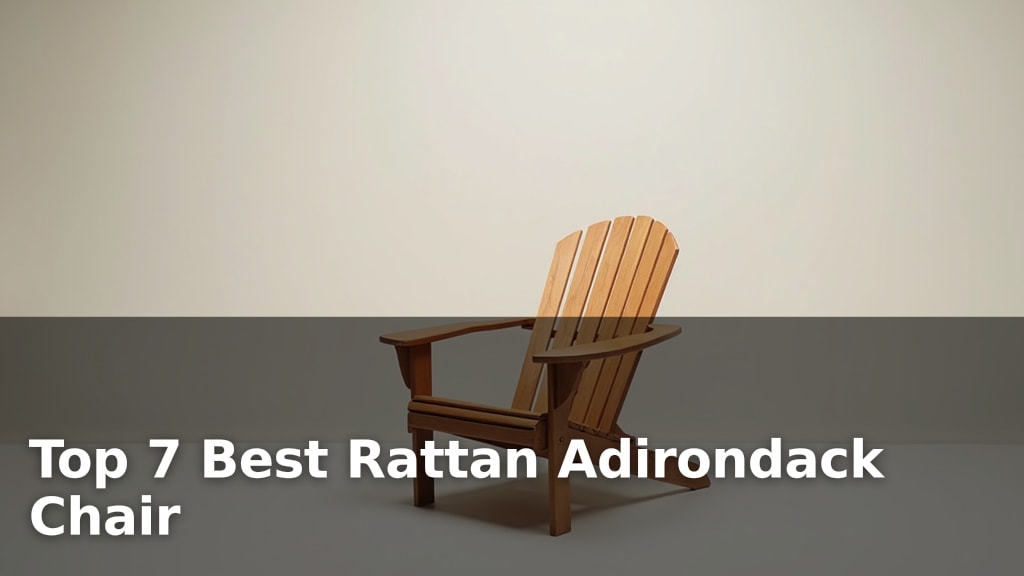
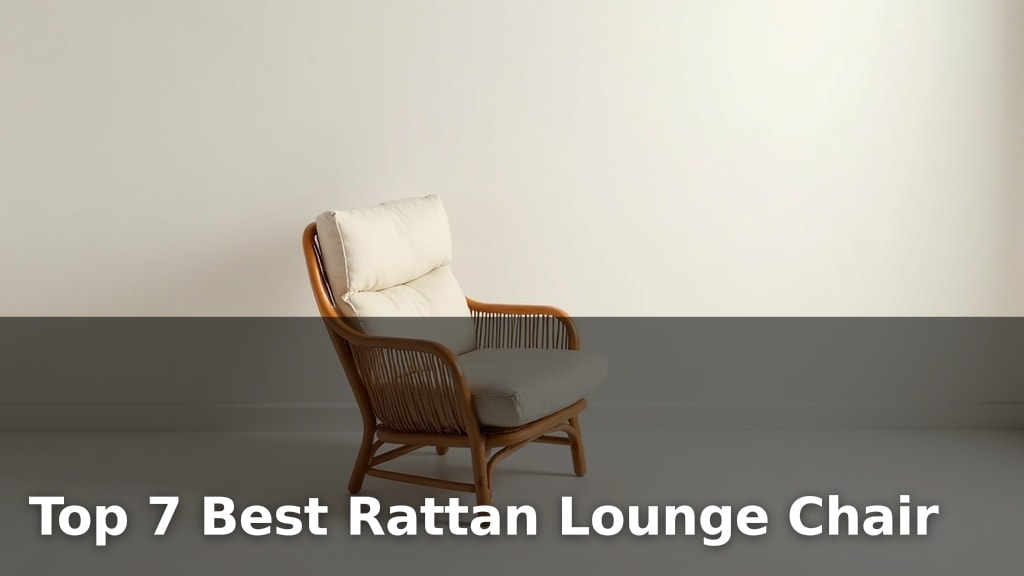
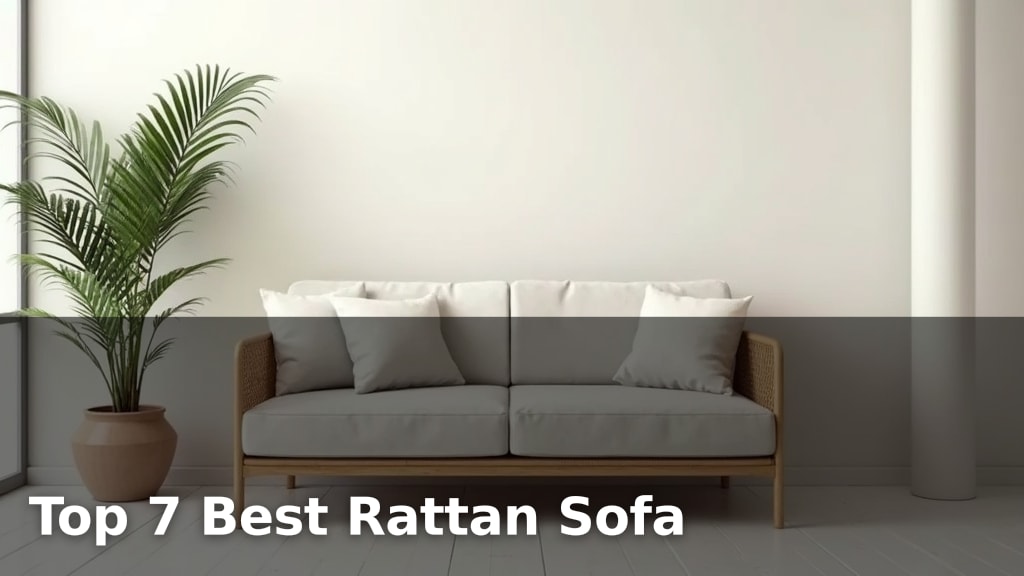
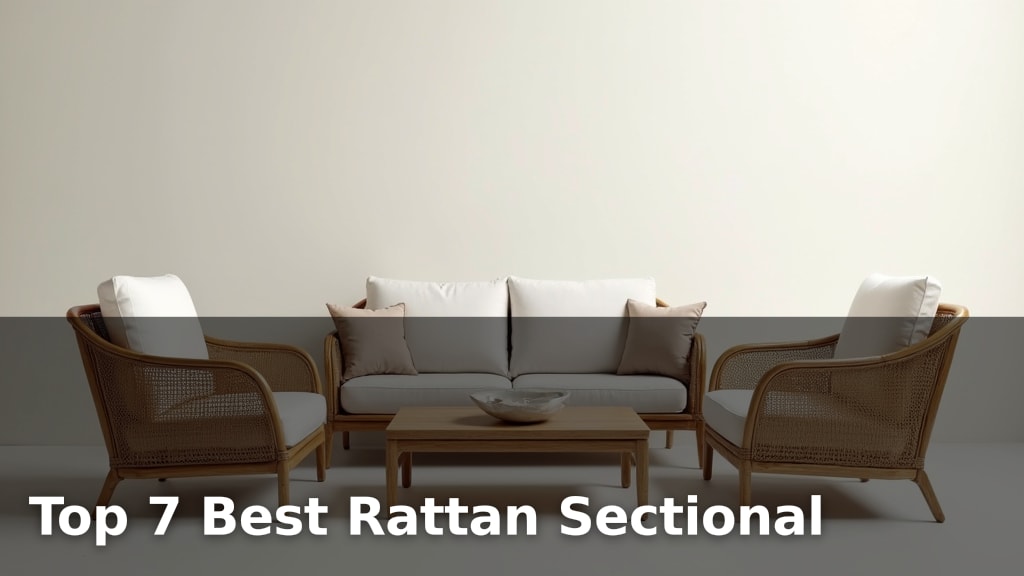
Is Eucalyptus Wood Good For Patio Furniture?
Yes, eucalyptus wood is a surprisingly good choice for patio furniture due to its natural durability and attractive appearance.
It offers a more budget-friendly, sustainable option compared to teak, while still resisting rot and pests with proper care.
Here’s the rundown if you’re short on time and want the essentials about eucalyptus furniture:
- Eucalyptus wood is a durable and attractive option for outdoor use.
- It’s generally more affordable and sustainable than hardwoods like teak.
- Regular maintenance, such as oiling, is key to preserving its golden-red hue and preventing weathering.
- Its natural oils help it resist insects and decay effectively.
- Choosing ethically sourced eucalyptus further supports environmental benefits.
Is Eucalyptus Wood Good For Patio Furniture?
Yes, eucalyptus wood is indeed a strong contender for your outdoor living space, blending beauty with practicality. It offers great value and resilience for furniture exposed to the elements.
Why Consider Eucalyptus for Your Patio?
When you’re picking out new outdoor furniture, you want something that looks good and lasts. Eucalyptus checks many of those boxes. Think of it as a smart investment for your yard.
Natural Durability and Strength
Eucalyptus is a dense hardwood. This means it’s naturally strong and can handle a lot of wear and tear. It’s often compared to teak in its resilience.
Its natural oils provide a built-in defense against common patio furniture foes. We found that these oils help it resist both wood-boring insects and decay from moisture.
A Beautiful Aesthetic Appeal
You’ll love the look of eucalyptus. It boasts a beautiful grain and a color that ranges from a warm golden-red to a reddish-brown. It brings a touch of natural elegance to any patio setting.
It’s very versatile too. You can let it weather to a soft gray patina, or maintain its rich color with simple care. The choice is yours, creating your perfect outdoor vibe.
Eco-Friendly and Sustainable Choice
Concerned about the environment? Many experts point to eucalyptus as a sustainable option. It’s a fast-growing tree, often sourced from responsibly managed plantations.
This rapid growth means it can be harvested and replaced more quickly than slower-growing hardwoods. It’s a choice that feels good for the planet, too.
Eucalyptus vs. Other Popular Patio Woods
You might be wondering how eucalyptus stacks up against other well-known options. Let’s compare to help you see where it truly shines in the outdoor furniture scene.
| Wood Type | Durability | Cost | Maintenance | Sustainability | Typical Appearance |
|---|---|---|---|---|---|
| Eucalyptus | High (dense, pest/rot resistant) | Medium-Low | Regular oiling needed | High (fast-growing) | Golden-red to reddish-brown |
| Teak | Very High (premium) | High | Minimal, grays naturally | Medium (slower growth) | Golden-brown, grays with age |
| Acacia | Medium-High | Medium | Oiling often recommended | High (fast-growing) | Dark brown, varied grains |
| Cedar | Medium (rot/pest resistant) | Medium-Low | Minimal, grays quickly | High (common, domestic) | Light reddish-brown |
How Does It Compare to Teak?
Teak is often called the king of patio furniture woods, right? It’s incredibly durable but comes with a hefty price tag. Eucalyptus offers a very similar aesthetic and impressive durability at a fraction of the cost.
You get many of teak’s benefits—like natural oils and resistance to the elements—without breaking the bank. It’s a fantastic way to achieve a high-end look economically.
What About Acacia or Cedar?
Acacia is another good hardwood option, often similar in price to eucalyptus. However, wood science studies often show eucalyptus can be slightly denser for some varieties, potentially offering an edge in hardness.
Cedar is a softer wood. While it resists rot and insects well, it’s more prone to dings and dents than dense eucalyptus. So, if you need something sturdy, eucalyptus might be your better bet.
Keeping Your Eucalyptus Furniture Looking Great
Just like any good relationship, your furniture thrives with a little care. Maintaining eucalyptus is straightforward, ensuring it stays beautiful for years.
Regular Cleaning is Key
Dust, pollen, and general grime can build up on any outdoor furniture. A little attention goes a long way to keep your eucalyptus sparkling.
Here’s a quick checklist for easy upkeep:
- Clean regularly with mild soap and water.
- Use a soft cloth or brush to gently scrub surfaces.
- Rinse thoroughly to remove any soap residue.
- Wipe dry to prevent water spots or streaks.
- Inspect for any loose bolts or early signs of wear.
Oiling for Protection and Beauty
This is perhaps the most important step for eucalyptus. Oiling replenishes the wood’s natural oils, which helps maintain its rich color and protects it from the sun’s rays.
Many experts recommend applying a hardwood oil or teak oil one to two times a year, especially before and after peak outdoor seasons. It’s like sunscreen for your furniture!
Protecting from Harsh Weather
Even though eucalyptus is tough, extreme weather can take its toll. Using furniture covers during heavy rain or intense sun is a smart move. Think of covers as a cozy blanket for your furniture.
For colder climates, consider storing your furniture indoors or in a sheltered area during winter months. This extra step will significantly extend its life.
Common Questions About Eucalyptus Wood
You might have a few lingering questions. Let’s tackle some of the most common ones we hear from patio owners like you.
Does it Fade in the Sun?
Yes, if left untreated, eucalyptus wood will naturally weather to a soft, silvery-gray patina over time. It’s a natural process, much like how human hair grays.
If you prefer to keep its original warm, reddish hue, that’s where regular oiling comes in. The oil helps to protect the pigments in the wood from UV radiation.
Is it Prone to Cracking?
Due to its density, eucalyptus is less prone to cracking than some softer woods. However, like any natural wood, extreme shifts in humidity and temperature can sometimes cause small surface checks.
Consistent oiling helps keep the wood moisturized and stable, reducing the chances of cracking. Think of it as keeping your skin hydrated in dry weather.
How Long Does Eucalyptus Furniture Last?
With proper care and maintenance, eucalyptus patio furniture can last a good 10 to 20 years, or even more. It truly is a long-term investment for your outdoor space.
Without regular oiling and protection from harsh elements, its lifespan will shorten. Your commitment to its care directly impacts how many years of enjoyment you get from it.
Conclusion
So, is eucalyptus wood good for patio furniture? Absolutely. It stands out as an excellent choice, offering a beautiful aesthetic, impressive durability, and a sustainable story.
While it does ask for a little tender loving care in the form of regular oiling, the rewards are clear: long-lasting, attractive furniture that enhances your outdoor living. You can feel confident bringing this versatile and lovely wood into your garden or onto your deck.
Can eucalyptus wood be painted or stained?
Yes, you can paint or stain eucalyptus wood furniture, but many prefer to oil it. Oiling maintains its natural beauty and unique grain, creating a rich, warm finish that shows off the wood itself. If you do paint, ensure you use outdoor-rated primers and paints.
Is eucalyptus wood toxic to pets or children?
Eucalyptus wood itself is generally considered non-toxic once processed into furniture. While the raw leaves and oil from the tree can be harmful if ingested in large quantities, finished furniture poses minimal risk. Still, it’s always wise to discourage pets from chewing on furniture.
Where does most commercial eucalyptus wood come from?
A significant portion of commercial eucalyptus wood used for furniture comes from rapidly growing, sustainably managed plantations. These plantations are often found in South America, Asia, and other regions where the climate is ideal for its quick growth cycle, reducing pressure on native forests.
What kind of oil should I use for eucalyptus patio furniture?
For eucalyptus patio furniture, you should use a good quality hardwood oil, often labeled as teak oil, tung oil, or linseed oil. These oils penetrate the wood, restoring its natural luster and providing protection from UV rays and moisture. Always follow the manufacturer’s directions for application.
Does eucalyptus wood have a strong smell?
When new, eucalyptus wood may have a very faint, pleasant herbal scent, similar to its leaves. However, this natural aroma is typically very mild and dissipates quickly, especially when placed outdoors. It’s not usually a strong or lingering odor that would affect your patio experience.