
Is Acacia Wood Good For Patio Furniture?
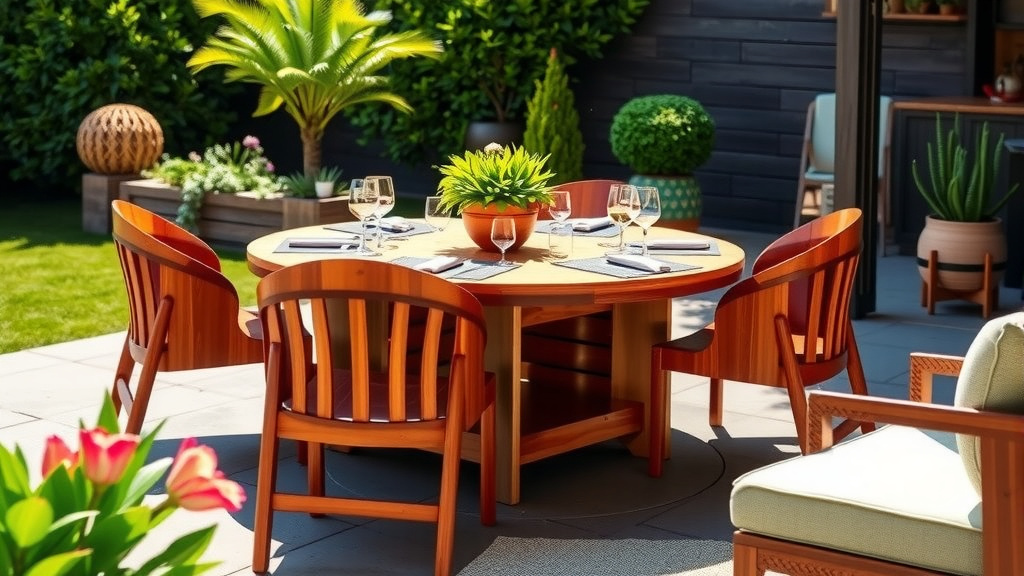
Yes, acacia wood is a very good choice for patio furniture, especially if you appreciate its beautiful grain and natural resistance to the elements.
Its durability and resistance to rot make it a popular and practical option for outdoor settings, provided you commit to a bit of care.
Here’s a quick summary of what you’ll discover about acacia wood for your patio:
- Acacia is naturally strong and durable, perfect for outdoor life.
- It brings a beautiful, rich look to any patio space.
- You’ll need to maintain it regularly to keep it looking its best.
- It offers good value compared to some other hardwoods.
- Consider if its specific care needs fit your lifestyle.
Is Acacia Wood Good For Patio Furniture?
Absolutely, acacia wood makes an excellent material for patio furniture. We found that its inherent qualities stand up well to outdoor conditions.
Many experts agree that with proper care, acacia pieces can last for many years in your outdoor living area (Wood Magazine).
Understanding Acacia Wood
Acacia is a type of hardwood sourced from trees and shrubs found across the globe. It’s known for its rapid growth.
This wood is often used in furniture, flooring, and even boat building because of its strength and appearance.
What Makes Acacia Special?
The unique hardness of acacia comes from its dense grain structure. This makes it resistant to dents and scratches.
Its natural oils also contribute to its ability to repel water, a big plus for any outdoor item.
The Upsides: Why Choose Acacia?
Choosing acacia wood offers several clear advantages for your patio. You get both beauty and strength.
It’s a material that many homeowners find appealing for its balance of cost and performance.
Durability in the Elements
Acacia wood naturally resists moisture, rot, and decay. This is fantastic news for furniture living outdoors.
We found that its robustness helps it withstand various weather patterns, from sun to rain (Forest Products Laboratory).
Natural Beauty and Grain
Each piece of acacia wood has a unique, often vibrant grain pattern. This can range from light to dark brown hues.
It adds a warm, inviting aesthetic that truly enhances any outdoor space, making it feel more cozy.
Resistance to Pests
Those natural oils in acacia? They’re not just for water resistance. They also help deter common wood-boring insects.
This means less worry about termites or other pests munching on your beautiful patio set.
Sustainability Factor
Acacia trees grow quickly, making them a more renewable resource than some slower-growing hardwoods.
If you’re looking for an environmentally friendlier option, acacia could be a great fit for your home.
The Downsides: What to Consider?
While acacia is great, it’s not without its specific needs. Knowing these helps you make an informed choice.
Every material has its quirks, and acacia is no exception when it comes to outdoor use.
Regular Maintenance Needs
To keep acacia looking its best, it requires a little attention. You’ll need to clean and oil it periodically.
Without this care, the wood can start to fade and lose its luster over time.
Potential for Fading
Prolonged exposure to direct sunlight can cause acacia to change color. It might turn a silvery-gray.
Some people love this weathered look, but if you prefer the original rich tone, a UV-protectant sealer is key.
Weight Considerations
Acacia is a dense, heavy wood. This makes furniture sturdy, but also harder to move around.
Consider if you often rearrange your patio or need to store pieces frequently when making your selection.
Acacia vs. Teak: A Quick Comparison
Let’s look at how acacia stacks up against another popular outdoor wood, teak. Both are excellent choices.
Understanding their differences can help you decide which material is best for your specific needs.
| Feature | Acacia Wood | Teak Wood |
|---|---|---|
| Durability | Very good, resists rot and pests. | Excellent, highest natural oil content. |
| Maintenance | Requires regular oiling to maintain color. | Needs less frequent oiling; naturally weathers to gray. |
| Appearance | Distinct grain, varied colors from light to dark brown. | Fine grain, golden-brown hue, ages to silver-gray. |
| Cost | Generally more affordable. | Often considered a premium, more expensive option. |
| Weight | Dense and heavy. | Heavy, very strong. |
Caring for Your Acacia Patio Furniture
Proper care is essential to extend the life and beauty of your acacia pieces. It’s like giving your furniture a spa day.
A little effort goes a long way in protecting your investment and keeping your patio looking fantastic.
Cleaning and Sealing
Regularly wipe down your furniture with a damp cloth to remove dirt and dust. This simple step prevents buildup.
Apply a wood oil specifically designed for hardwoods every few months. This nourishes the wood and restores its luster.
Winter Storage Tips
During colder months, it’s best to store acacia furniture indoors or under a protective cover. This prevents frost damage.
If storing outside, ensure furniture is off the ground to prevent moisture absorption. Air circulation is your friend.
What Happens If You Don’t Care For It?
Neglecting acacia wood can lead to several issues. Your beautiful set might start to show its age quickly.
Expect color fading, cracking, and a general loss of its appealing, smooth finish if left untreated.
Is Acacia Worth the Investment?
For many homeowners, acacia wood offers a superb balance of beauty, durability, and cost. It’s a smart choice.
When you consider its natural strengths and attractive appearance, it often provides excellent value for your outdoor space.
Checklist: Is Acacia Right For You?
Ask yourself these questions to see if acacia patio furniture aligns with your needs:
- Are you okay with periodic cleaning and oiling?
- Do you love the rich, varied grain of natural wood?
- Is budget a consideration, but you still want quality?
- Do you prefer furniture that feels sturdy and substantial?
- Can you provide some protection from extreme weather?
Conclusion
Acacia wood is a genuinely strong contender for your patio furniture needs. Its natural beauty and resilience are big plusses.
While it does ask for a bit of regular maintenance, this small effort ensures your furniture remains stunning for years.
If you’re seeking a durable, attractive, and often more affordable hardwood option, acacia is certainly one to consider.
How does acacia wood perform in humid climates?
Acacia wood performs quite well in humid climates due to its natural density and resistance to rot. Its inherent oils help repel moisture, which minimizes swelling and warping. However, consistent high humidity means you should be extra diligent with regular oiling and sealing to prevent mildew growth.
Can I paint or stain acacia patio furniture?
Yes, you can paint or stain acacia patio furniture, but it’s important to prepare the surface correctly. Sanding the wood to remove any existing finish and ensure good adhesion is key. Choose outdoor-specific paints or stains that offer UV protection to maintain the color and protect the wood from the elements.
What is the typical lifespan of acacia patio furniture?
With proper care and maintenance, acacia patio furniture can last 10 to 20 years or even longer. Factors like climate, frequency of use, and whether it’s covered or stored during off-seasons greatly influence its longevity. Regular oiling and protection from harsh weather are the biggest determinants of its lifespan.
Is acacia wood heavier than other common patio furniture woods?
Yes, acacia wood is generally heavier than many other woods commonly used for patio furniture, such as cedar or pine. This density contributes to its strength and durability. While this makes the furniture very stable, it also means it can be more challenging to move around your patio space.
Does acacia wood attract insects or termites outdoors?
Acacia wood has a natural resistance to insects and termites, thanks to its dense structure and natural oils. While no wood is entirely impervious, acacia is less prone to insect damage compared to softer woods. This makes it a dependable choice for outdoor environments where pests can be a concern.
