How To Stop Rust On Patio Furniture?
On this page (5 sections)
To stop rust on patio furniture, you need to first clean and dry the affected areas thoroughly, then remove existing rust using wire brushes or sandpaper, and finally apply a rust-inhibiting primer and a weather-resistant paint.
Regular maintenance, proper storage, and choosing rust-resistant materials from the start are key strategies to prevent rust from forming on your outdoor furniture.
Here’s a quick look at what we’ll cover to help you banish rust:
- Understand why rust appears on your patio pieces.
- Discover simple ways to prevent rust before it even starts.
- Learn how to treat any existing rust step-by-step.
- Find out the best long-term care for your outdoor investment.
How To Stop Rust On Patio Furniture?
Stopping rust on patio furniture involves a two-pronged approach: prevention and treatment. You can prevent rust by choosing the right materials and keeping up with maintenance, while treatment focuses on removing and repainting rusty spots.
Why Does Patio Furniture Rust Anyway?
Rust is a common problem for metal patio furniture, especially in damp climates. It happens when iron or steel reacts with oxygen and water, creating iron oxides.
Think of it like a tiny, slow-motion chemical reaction happening right on your favorite chair. It’s an unwanted guest at your outdoor gathering.
The Science of Rust
Many experts say that rust, or oxidation, is sped up by exposure to moisture, salt, and humidity. That’s why coastal areas or places with lots of rain see more rusted outdoor items.
Even small scratches can expose the metal, creating a perfect spot for rust to begin its takeover (NIH).
Spotting the Enemy: Early Signs of Rust
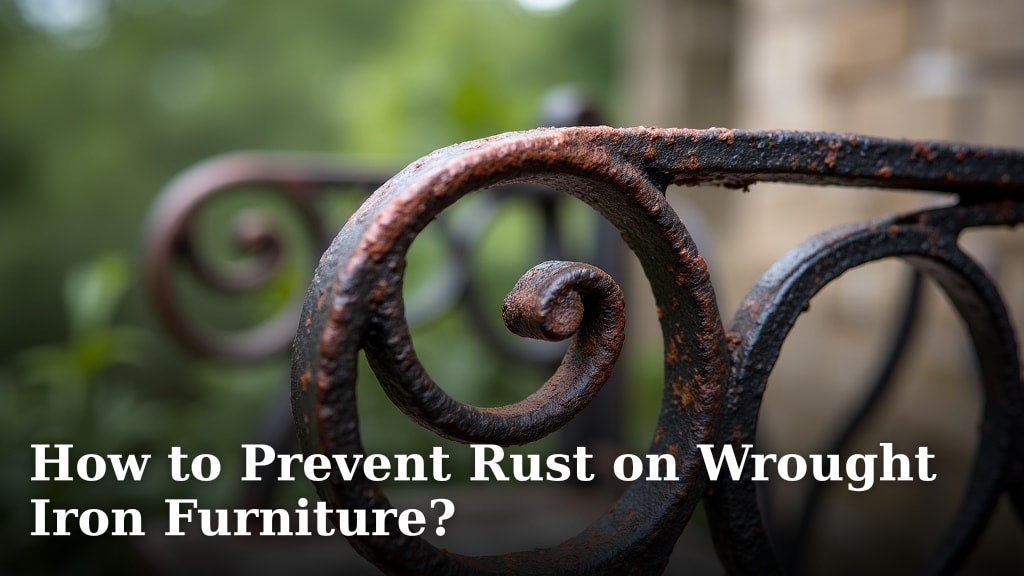
You can often catch rust early before it becomes a big issue. Look for small spots that are reddish-brown or flaky on metal surfaces.
Sometimes you might notice the paint bubbling or chipping in certain areas. These are all signs that rust is already lurking beneath the surface.
Proactive Measures: Stopping Rust Before It Starts
Prevention is truly the best medicine when it comes to rust. A little effort now can save you a lot of work later.
Think of it as giving your furniture a good shield against the elements. It’s a smart investment in its longevity.
Choose the Right Materials
When buying new furniture, pick materials that naturally resist rust. Aluminum, for instance, doesn’t rust because it lacks iron.
We found that wrought iron and steel are beautiful but need more care. Stainless steel also resists rust well, but can be pricier.
Powder Coating is Your Friend
Many quality metal furniture pieces come with a powder-coated finish. This isn’t just paint; it’s a durable, protective layer.
Research often connects a good powder coat with superior rust protection (NACE International). It acts like a tough skin for the metal.
Regular Cleaning and Maintenance
Keeping your furniture clean is a simple yet powerful rust deterrent. Dust, dirt, and pollen can hold moisture against metal surfaces.
A quick wipe-down with soapy water every few weeks can make a huge difference. Don’t forget those hidden crevices either.
The Importance of Drying
After cleaning or a rain shower, always ensure your furniture is thoroughly dry. Water is rust’s best friend, after all.
Use a clean towel or let it air dry completely in the sun. This simple step can prevent rust from ever forming.
Treating Existing Rust: A Step-by-Step Guide
So, you’ve found some rust. Don’t panic! It’s usually fixable if you catch it in time. You can bring your furniture back to life.
It’s like giving a little first aid to your metal pieces. They’ll thank you for the care.
Gather Your Supplies
Before you start, make sure you have everything you need. This makes the job much smoother and more efficient.
You’ll want to protect your hands and eyes first. Safety is always a priority for any DIY task.
Here’s a handy checklist of what you’ll need:
- Wire brush or sandpaper (medium to fine grit)
- Rust converter or rust remover product
- Clean cloths
- Mild dish soap and water
- Rust-inhibiting primer
- Weather-resistant exterior paint
- Safety goggles and gloves
- Drop cloth or newspaper
Surface Preparation is Key
First, clean the rusty area well with soapy water to remove loose dirt and grime. Let it dry completely.
Then, place a drop cloth underneath to protect your patio. This will catch any paint drips or rust flakes.
Rust Removal Techniques
Now, it’s time to tackle the rust itself. For light rust, a wire brush or sandpaper works wonders.
You want to remove all the flaky, loose rust until you reach the bare metal. For tougher spots, a rust converter product can be very effective.
Priming and Painting for Protection
Once the rust is gone, apply a rust-inhibiting primer to the bare metal areas. This step creates a barrier against future rust.
After the primer dries, apply two thin coats of a good quality exterior paint. This will protect the furniture and restore its look.
Long-Term Rust Prevention Strategies
Stopping rust isn’t a one-time job; it’s an ongoing commitment to your furniture’s well-being. Think of it as a little love for your outdoor space.
By implementing these strategies, you can keep your patio pieces looking great for many seasons.
Using Furniture Covers
High-quality, waterproof furniture covers are a fantastic investment. They shield your furniture from rain, snow, and excessive humidity.
Make sure the covers are breathable to prevent moisture buildup underneath. We found that covers with vents work best (Consumer Reports).
Smart Storage Solutions
During off-seasons or extended periods of non-use, consider storing your furniture indoors. A garage, shed, or even a covered porch can make a difference.
Elevating furniture off damp ground can also prevent rust from forming at the base. Even old bricks can help here.
Regular Inspections
Make it a habit to inspect your furniture periodically for any early signs of rust. Catching it small means an easier fix.
A quick visual check after a rainstorm or once a month can help you stay ahead of the game. Your keen eye is a powerful tool.
| Prevention Step | Benefit for Your Furniture | Frequency |
|---|---|---|
| Choosing rust-resistant metals | Longer lifespan, less maintenance | At purchase |
| Powder-coated finish | Durable protective layer | At purchase |
| Regular cleaning and drying | Removes moisture, grime build-up | Weekly/After rain |
| Using furniture covers | Shields from elements | When not in use |
| Storing indoors (off-season) | Protects from extreme weather | Annually |
Conclusion
Keeping your patio furniture rust-free doesn’t have to be a big chore. With a little proactive care and quick action when rust appears, your outdoor oasis can remain beautiful and inviting for years.
Remember, your furniture is an extension of your home. Treating it with care ensures you can enjoy those sunny days and starry nights without worry. Happy lounging!
What is the best type of patio furniture to prevent rust?
Aluminum patio furniture is considered the best choice for rust prevention because aluminum does not contain iron, which is necessary for rust to form. Other good options include stainless steel and high-quality resin or plastic furniture.
Can I use WD-40 to prevent rust on my patio furniture?
While WD-40 can temporarily displace moisture and protect against rust in some applications, it is not a long-term solution for patio furniture. It’s better to use a dedicated rust-inhibiting primer and exterior paint for lasting protection against outdoor elements.
How often should I clean my metal patio furniture to prevent rust?
Many experts suggest cleaning your metal patio furniture at least once a month, or more frequently if it’s exposed to heavy rain, salt spray, or dusty conditions. Always dry it completely after cleaning to prevent moisture from sitting on the surface.
Is rust converter better than rust remover for patio furniture?
Rust removers physically take the rust off the surface, often requiring more scraping. Rust converters chemically change rust into a stable, paintable surface, which can be easier for certain applications. The best choice depends on the severity and type of rust you are dealing with.
Can rust spread from one piece of furniture to another?
Rust itself does not “spread” like a disease. However, rust particles can flake off a heavily rusted piece and settle on another, potentially creating new rust spots if the protective coating on the second piece is compromised and moisture is present. Keep rusted items isolated during treatment.