How To Protect Patio Furniture From Snow?
On this page (4 sections)
Protecting patio furniture from snow involves several key steps: a thorough cleaning, applying appropriate protectants, and then either covering it with durable, waterproof covers or storing it indoors for the winter season.
Taking these actions helps extend the life of your furniture, prevents damage from moisture and freezing temperatures, and saves you money in the long run by avoiding costly replacements.
Here’s a quick overview of how to safeguard your patio furniture from winter’s chill:
- Give your furniture a good cleaning and ensure it is completely dry to prevent mold and mildew.
- Decide if you will store your items indoors or use protective covers outside.
- Apply sealants or rust inhibitors based on your furniture’s material.
- Always elevate covered furniture slightly off the ground to avoid pooling water and ice buildup.
- Store cushions and delicate fabrics separately in a dry, protected spot.
How To Protect Patio Furniture From Snow?
To protect your patio furniture from snow, you need a plan that tackles moisture, freezing temperatures, and heavy snow loads. Preparing it properly means your outdoor living space will be ready and inviting when spring finally arrives.
Why Winter Protection Matters for Your Patio Furniture
Imagine the joy of unwrapping your patio set in spring, only to find it warped, rusted, or mildewed. Snow, ice, and freezing rain can cause significant damage to even the toughest furniture materials. Protecting your patio furniture isn’t just about saving its looks; it’s about preserving its structure and integrity.
Many experts say that neglecting winter protection leads to premature wear and tear, forcing you to repair or replace items sooner (Outdoor Living Magazine).
Think of it as an investment. A little effort now saves you a lot of headache and money later.
When to Start Preparing Your Patio Furniture
Timing is everything when it comes to winterizing. You don’t want to be caught off guard by an early snowfall. We found that the best time to start is typically in late fall, before the first hard frost or consistent freezing temperatures arrive.
This gives you plenty of time to clean, dry, and store everything without rushing.
Essential Steps to Protect Patio Furniture from Snow
Step 1: Thorough Cleaning is Key
Before you cover or store anything, a good cleaning is non-negotiable. Why? Because dirt, grime, and debris can trap moisture, which leads to mildew and deterioration during the cold months.
Removing Dirt and Debris
Start by wiping down all surfaces with a mild soap and water solution. For tougher spots, a soft brush might be needed. Make sure to get into all the crevices where dirt loves to hide.
Consider this your furniture’s spa day before a long winter nap.
Drying Completely
This step is crucial. Any lingering moisture, even a tiny bit, can spell disaster. Moisture trapped under covers or in storage can cause mold, mildew, or even freezing and cracking as temperatures drop.
Let your furniture air dry completely for a day or two, perhaps in a sunny spot, before moving to the next step. It’s like ensuring your hair is dry before heading out into the cold.
Step 2: Choose the Right Protection Method
Once clean and dry, you have two main options: covering your furniture outdoors or moving it inside. Both methods offer good protection, but your choice often depends on space and furniture type.
Using Patio Furniture Covers
If indoor storage isn’t an option, high-quality covers are your best friend. Don’t skimp here; cheap covers can tear, let water in, or become brittle in the cold. We found that durable, waterproof, and breathable covers are essential.
Look for these features in good covers:
- Waterproof material to repel snow and rain.
- Breathable vents to prevent condensation and mildew buildup.
- UV resistance to protect against winter sun exposure.
- Secure tie-downs or elastic hems to keep covers from blowing away in strong winds.
- Reinforced seams for extra durability.
Indoor Storage Solutions
The safest bet for protecting your furniture is always to bring it indoors. A garage, shed, basement, or even a spare room works wonderfully. This eliminates any risk from snow, ice, and harsh winds.
If space is tight, consider disassembling larger pieces or stacking chairs to maximize your storage area. It’s like playing a real-life game of Tetris to fit everything in.
Step 3: Material-Specific Care
Different materials react to winter conditions differently. Tailoring your protection plan to the specific material of your furniture ensures the best results. We’ve compiled a quick guide:
| Furniture Material | Winter Prep Action | Key Protection Point |
|---|---|---|
| Wood | Clean, apply sealant/oil | Prevent cracking, rotting, water damage |
| Metal (Aluminum, Steel, Wrought Iron) | Clean, inspect for rust, apply rust inhibitor | Stop rust, corrosion, paint chipping |
| Wicker/Rattan (Natural) | Clean, dry thoroughly, ideally store indoors | Avoid moisture damage, unraveling, mildew |
| Wicker/Rattan (Synthetic) | Clean, dry, cover securely | Resistant but benefit from protection |
| Plastic/Resin | Clean, dry, cover or store | Prevent brittleness, cracking, fading |
| Upholstery/Cushions | Clean, dry, store indoors | Prevent mold, mildew, fabric deterioration |
Wood Furniture Care
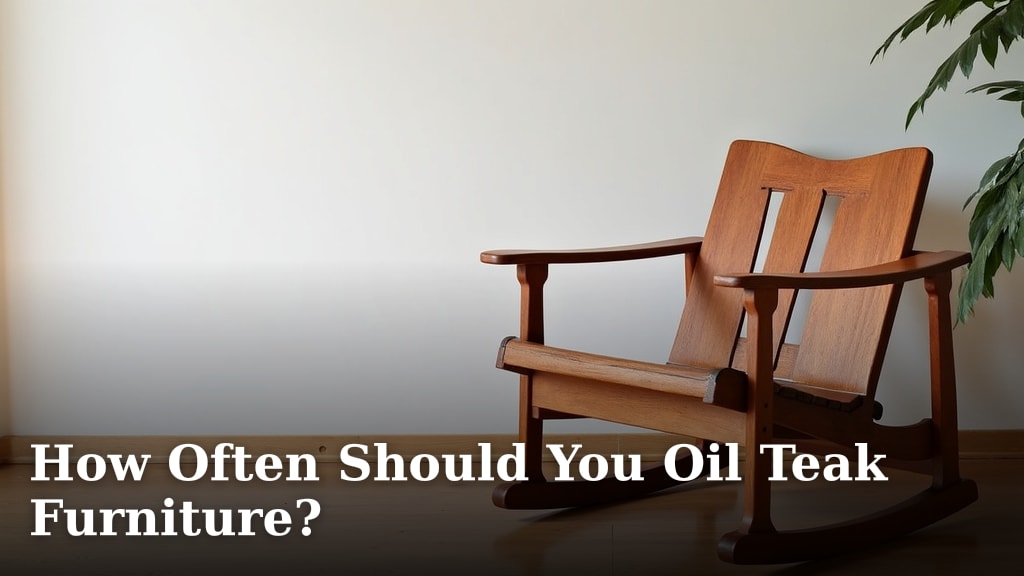
Wood is beautiful but vulnerable to moisture. After cleaning and drying, many experts recommend applying a fresh coat of sealant or oil. This acts as a barrier against water absorption, which helps prevent swelling, cracking, and rot during freezing conditions.
Think of it as moisturizing your skin in cold weather to prevent chapping.
Metal Furniture Care
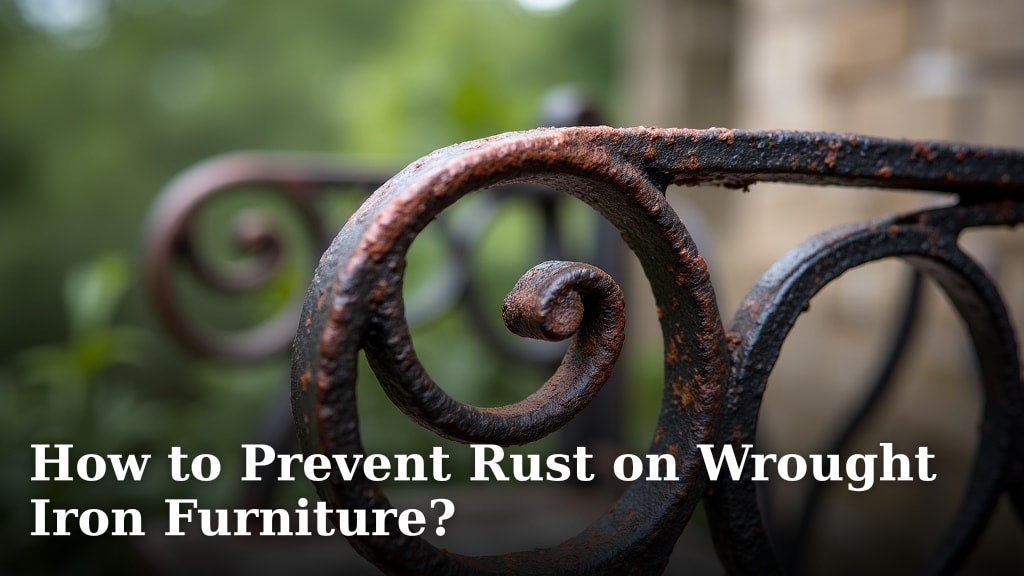
For metal, especially steel and wrought iron, rust is the enemy. Clean thoroughly, then inspect for any chips or scratches in the paint where rust could start. Touch up these areas, and consider applying a rust-inhibiting primer before covering.
Aluminum is more rust-resistant but still benefits from cleaning and covering to prevent pitting and staining.
Wicker and Rattan Care
Natural wicker and rattan are quite delicate and absorb moisture easily. Ideally, these pieces should always be stored indoors in a dry environment. If that’s not possible, use extremely protective, breathable covers and ensure they are well-elevated from the ground.
Synthetic wicker is more forgiving but still benefits greatly from cleaning and covering to extend its lifespan.
Upholstery and Cushions
Always remove cushions, pillows, and any other fabric items. These are magnets for moisture, mold, and critters. Clean them, ensure they are bone-dry, and then store them in a climate-controlled space, like a closet or attic.
Never leave them outside, even under covers, during snowy weather.
Step 4: Elevate and Secure
Even with covers, there’s more you can do to keep your furniture safe.
Raising Furniture Off the Ground
If your furniture remains outdoors and covered, lift it slightly off the ground. You can use wood blocks, bricks, or furniture risers. This prevents water from pooling around the legs, reduces direct contact with snow and ice, and improves air circulation.
It’s a simple trick that makes a big difference in preventing water damage and rust.
Securing Covers Against Wind
Strong winter winds can turn even the best covers into kites. Ensure your covers have secure tie-downs, buckles, or elastic hems that fit snugly around the furniture. You might even add extra bungee cords or weights to keep them in place.
A flapping cover offers no protection and can even scratch your furniture.
A Quick Winter Readiness Checklist
Before winter hits, use this simple checklist to ensure your patio furniture is fully protected:
- Clean all furniture surfaces thoroughly.
- Ensure every piece is completely dry.
- Apply material-appropriate protectants (sealants, rust inhibitors).
- Decide on indoor storage or outdoor covering.
- If covering, choose high-quality, breathable, and waterproof covers.
- Remove and store all cushions and fabrics indoors.
- Elevate covered furniture off the ground.
- Secure covers tightly to withstand strong winds.
Conclusion
Protecting your patio furniture from snow and harsh winter weather is more than a chore; it’s a commitment to preserving your outdoor investment. By following these practical steps—cleaning, drying, applying protectants, and choosing the right storage or covering method—you ensure your furniture remains in top condition. When spring arrives, you’ll be ready to enjoy your beautiful, well-maintained patio once again, without the frustration of finding damaged pieces. A little effort now means much more enjoyment later.
How do I prevent mold under patio furniture covers?
To prevent mold, ensure your furniture is completely dry before covering it. Use breathable covers with vents to allow air circulation. You might also place moisture absorbers or desiccant packets under the cover for extra protection, especially in humid climates.
Can I leave plastic patio furniture outside in the snow?
While plastic furniture is more resilient, leaving it exposed to snow can still cause damage. Freezing temperatures can make plastic brittle, leading to cracks or breaks. Covering or storing it indoors will extend its life and maintain its appearance.
Should I remove the legs from my patio table for winter?
Removing legs from a patio table, if designed for easy disassembly, can be a great idea. It makes indoor storage more compact and reduces the risk of water pooling around leg joints if left outdoors. Always check your furniture’s manual for recommended disassembly.
What’s the best way to clean outdoor cushions before storing them?
For most outdoor cushions, a mild solution of dish soap and warm water works well. Scrub gently with a soft brush, rinse thoroughly with a hose, and allow them to air dry completely for several days in a sunny spot. For stubborn stains, specialized fabric cleaners may be necessary.
Does elevating covered furniture really help against snow?
Yes, elevating covered furniture helps significantly. It prevents the furniture legs from sitting directly in melted snow or ice, which can lead to moisture damage, rust, or mold. This slight lift also promotes better airflow, further deterring mildew formation and allowing water to drain away.