How To Rewrap Patio Chairs?
To rewrap patio chairs, you typically remove the old, worn strapping, clean the chair frame thoroughly, measure and cut new vinyl strapping to size, and then stretch and attach the fresh material using rivets or clips for a taut, comfortable seat.
This process renews your outdoor furniture, extending its life and saving you money compared to buying new chairs, often requiring just a few basic tools and some patience.
- You can revive old patio chairs by replacing their worn straps.
- The process generally involves removing old material, cleaning the frame, and installing new strapping.
- Choosing the right strapping material is key for durability and comfort.
- Proper measuring and tension are important for a professional-looking finish.
- This DIY project can save you money and give your outdoor space a fresh look.
How To Rewrap Patio Chairs?
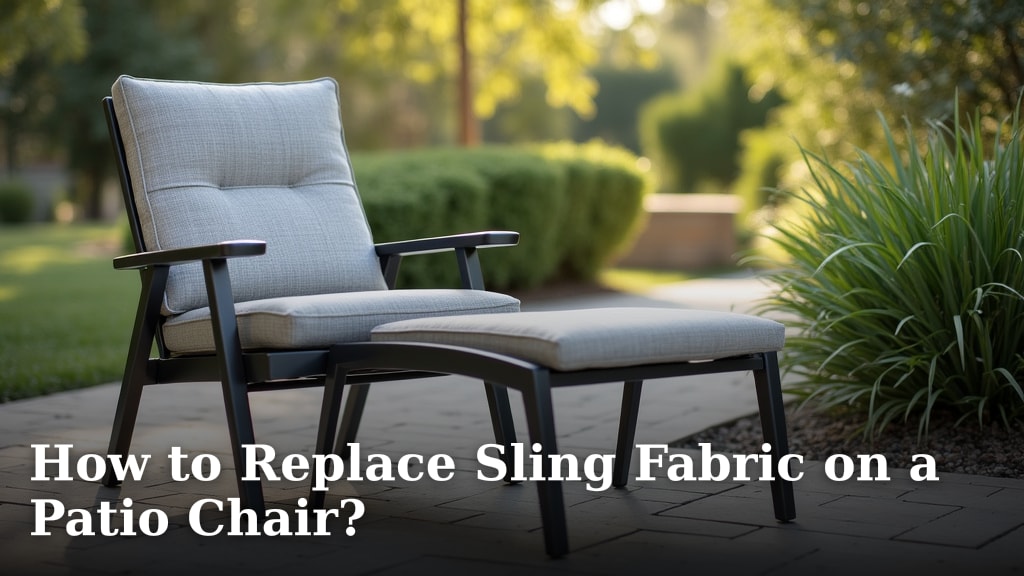
Rewrapping patio chairs involves replacing old, tired vinyl straps or sling fabric with new material, giving your outdoor seating a refreshing update.
It’s a straightforward project that extends the life of your furniture and brightens your patio.
Why Bother Rewrapping Your Patio Chairs?
Think of your patio chairs. Are their straps cracked, faded, or broken? Rewrapping them brings them back to life.
It’s an excellent way to prevent throwing away otherwise sturdy frames, saving you money and reducing waste.
Many experts say that giving new life to existing furniture is a sustainable choice (EPA guidelines often support repair over replacement).
Is Rewrapping a DIY Project for You?
You might wonder, “Can I really do this myself?” Yes, absolutely! We found that most people with basic DIY skills can tackle this task.
It requires a bit of patience and some simple tools, but no specialized training. It’s quite satisfying, too.
Gather Your Gear: The Essential Toolkit
Before you start, make sure you have everything ready. Having the right tools makes the job much smoother.
Here’s a quick checklist to help you get started:
- New vinyl strapping or sling fabric
- Drill with appropriate bit sizes
- Pop rivet gun (if using rivets)
- Strap cutters or heavy-duty scissors
- Measuring tape
- Rubbing alcohol or cleaner
- Gloves for protection
- Clamps (optional, but helpful)
Choosing the Right Strapping Material
The type of material you choose affects both the look and durability of your chairs. It’s important to pick wisely.
Most patio chairs use vinyl strapping, but even within that, you have options.
Vinyl Strapping Types
You’ll find vinyl strapping in various widths and thicknesses. Some are glossy, others have a matte finish.
Consider UV-resistant vinyl for better longevity in direct sunlight, as research often connects UV exposure with material breakdown (NIST studies).
Sling Fabric Options
If your chair has a sling seat, you’ll need a durable outdoor fabric. These fabrics are usually woven polyester or PVC-coated polyester.
They offer excellent breathability and quick drying, perfect for poolside seating.
Prepping Your Chairs for Their Makeover
A good rewrap starts with good preparation. Don’t skip these crucial steps.
It sets the stage for a clean and lasting finish.
Removing Old Straps
First, you need to get rid of the old material. Use strap cutters or heavy-duty scissors to cut and remove all the worn straps.
Be careful not to scratch the chair frame during this process. A screwdriver can help pry out stubborn pieces.
Cleaning the Frame Thoroughly
Once the old straps are gone, clean the frame. Use warm soapy water and a scrub brush to remove dirt and grime.
For tougher spots, rubbing alcohol or a mild abrasive cleaner works wonders. A clean frame helps new straps adhere better.
Measuring for Success: Getting Strap Lengths Right
Accurate measurements are key. Too short, and the strap won’t reach; too long, and it will be baggy.
Many experts suggest measuring for a slightly tighter fit than the original, allowing for stretch.
Here’s a general guide for single-wrap straps:
| Chair Frame Style | Measurement Method | Adjustment |
|---|---|---|
| Straight Bar to Bar | Measure distance between holes/slots. | Add 3-4 inches (stretch allowance). |
| Around a Bar (e.g., sides) | Measure around bar + distance to hole. | Add 4-5 inches (for wrapping/stretch). |
| Double Wrap (across) | Measure twice across frame + overlap. | Add 6-8 inches (for double wrap/stretch). |
Always test with one strap first to fine-tune your measurements.
The Rewrapping Process: Step-by-Step
Now for the fun part: installing the new material. This requires a bit of technique to get that perfect tension.
You want a firm, comfortable seat that doesn’t sag.
Starting with Single Wraps
If you have single-wrap straps, heat the vinyl first in hot water (not boiling) for a few minutes. This makes it pliable.
Insert one end into a slot or attach with a rivet. Stretch the strap across the frame and secure the other end.
Working with Double Wraps
Double-wrap straps require more length. Attach one end, then wrap the strap completely around the chair frame bar.
Then, stretch the strap across to the opposite side and secure it, creating a strong, supportive layer.
Securing the Ends Properly
Most straps secure with rivets or plastic clips. If using rivets, use a pop rivet gun to attach the strap ends securely to the frame.
For clips, ensure they snap firmly into place, holding the strap taut.
Lacing a Sling-Style Chair
For sling chairs, the process is different. You’ll often replace the fabric by sliding it into channels on the frame.
Sometimes, it involves lacing a new fabric panel onto a frame with cord, much like lacing up a shoe.
Many manufacturers provide specific instructions for their sling replacements, so check if you can find those (look for parts guides online).
Common Mistakes to Avoid
Even seasoned DIYers can make small errors. We found that avoiding these common pitfalls saves time and frustration.
You want your hard work to last, right?
- Not heating vinyl straps enough before stretching them.
- Measuring too loosely, resulting in saggy straps.
- Using the wrong type of fastener for your chair.
- Forgetting to clean the frame, which can affect strap longevity.
- Not stretching evenly, leading to uneven tension.
Keeping Your New Straps Looking Great
Once you’ve rewrapped your chairs, a little care goes a long way. Proper maintenance helps prolong the life of your new straps.
It protects your investment and keeps your patio looking sharp.
Wipe down your chairs regularly with mild soap and water. Avoid harsh chemical cleaners, as they can degrade the vinyl over time (ASTM standards often caution against strong solvents).
Conclusion
Rewrapping your patio chairs is a practical and rewarding project. It allows you to breathe new life into your outdoor furniture, enhancing both its comfort and appearance.
By following these steps, choosing the right materials, and taking care with measurements, you can enjoy your revitalized patio chairs for many more seasons to come.
So, why not give it a try and transform your outdoor space?
How do I know what type of strapping my patio chair needs?
You can determine the type of strapping by observing how the old straps were attached. Look for visible holes for rivets or clips, or channels where fabric slides. Measure the width of the old straps for a good match.
Can I use fabric instead of vinyl for strapping?
Generally, chairs designed for vinyl strapping are best rewrapped with vinyl. Fabric is typically used for sling chairs, which have a different attachment mechanism and frame design. Mixing material types might not work structurally.
How often should I rewrap my patio chairs?
The frequency depends on usage and sun exposure. In sunny climates, straps might need replacing every 5-7 years due to UV damage. Chairs under cover might last much longer. Inspect your straps annually for cracks or brittleness.
What if my chair frame is damaged or rusty?
Before rewrapping, address any frame damage. Rust can be sanded off and treated with a rust-inhibiting primer and paint. Structural damage, like bent bars, might require professional repair or welding to ensure safety.
Is it cheaper to rewrap chairs or buy new ones?
For quality chairs with sturdy frames, rewrapping is almost always cheaper than buying new, comparable furniture. The cost of materials is significantly less than a new chair set, making it a budget-friendly solution.