How To Keep Patio Furniture Clean?
On this page (5 sections)
To keep patio furniture clean, regularly wipe down surfaces with a gentle mixture of mild soap and water, then rinse thoroughly and dry to prevent grime buildup.
For a deeper clean, first identify your furniture’s material and use specific, gentle cleaning solutions tailored to that material to help maintain its appearance and longevity.
- Regularly wipe down surfaces to prevent dirt from sticking.
- Use material-specific cleaners for plastic, wood, metal, and fabric.
- Address spills and stains quickly to avoid lasting marks.
- Protect your furniture with covers when not in use or during bad weather.
- Store items properly during off-seasons for the best preservation.
How To Keep Patio Furniture Clean?
Keeping your patio furniture clean involves a mix of regular maintenance and specific care for each material.
This approach helps extend its life and keeps your outdoor space inviting for years to come.
Why Clean Your Patio Furniture?
You might wonder if cleaning patio furniture is really that important. Beyond just looks, regular cleaning prevents wear and tear.
Dirt, pollen, and mildew can degrade materials over time, shortening your furniture’s lifespan. Plus, a clean space just feels better!
The Golden Rules of Patio Furniture Cleaning
Think of these as your go-to guidelines, no matter what your furniture is made of. These steps form the foundation of good care.
Start with the Basics: A Gentle Wash
Before you get into specific treatments, almost all patio furniture benefits from a simple wash. It’s like a refreshing shower for your outdoor pieces.
First, brush off any loose dirt or debris with a soft-bristled brush. Then, mix mild dish soap with warm water.
Dip a soft cloth or sponge into the soapy water and wipe down all surfaces. Rinse thoroughly with a hose, making sure no soap residue remains, then let it air dry completely in the sun.
Prevention is Key
An ounce of prevention is worth a pound of cure, right? This old saying definitely applies to patio furniture.
Consider using waterproof furniture covers, especially during bad weather or when you know you won’t use the patio for a while. A quick wipe-down after a dusty day also works wonders.
Cleaning Specific Materials
Different materials need different care, much like different types of clothes. Here’s a breakdown of common patio furniture types.
Plastic & Resin Furniture
These pieces are often the easiest to clean. They are generally durable and resilient, making maintenance straightforward.
A simple scrub with a soft brush, mild soap, and warm water is usually enough. For tougher stains, we found that a paste of baking soda and water can be very effective (Cleveland Clinic). Rinse well and dry.
Wicker Furniture
Wicker can be a bit trickier due to its woven texture. Dirt loves to hide in those little crevices.
Start by vacuuming with a brush attachment to remove loose debris. Then, use a soft brush or cloth with mild soapy water. Don’t saturate natural wicker too much; excess moisture can cause damage.
Natural Wicker vs. Resin Wicker
It’s helpful to know the difference. Natural wicker, made from plant fibers, needs more gentle care.
Resin wicker, also called all-weather wicker, is synthetic and much more resilient. It can handle a good hose down without worry.
Metal Furniture (Aluminum, Wrought Iron, Steel)
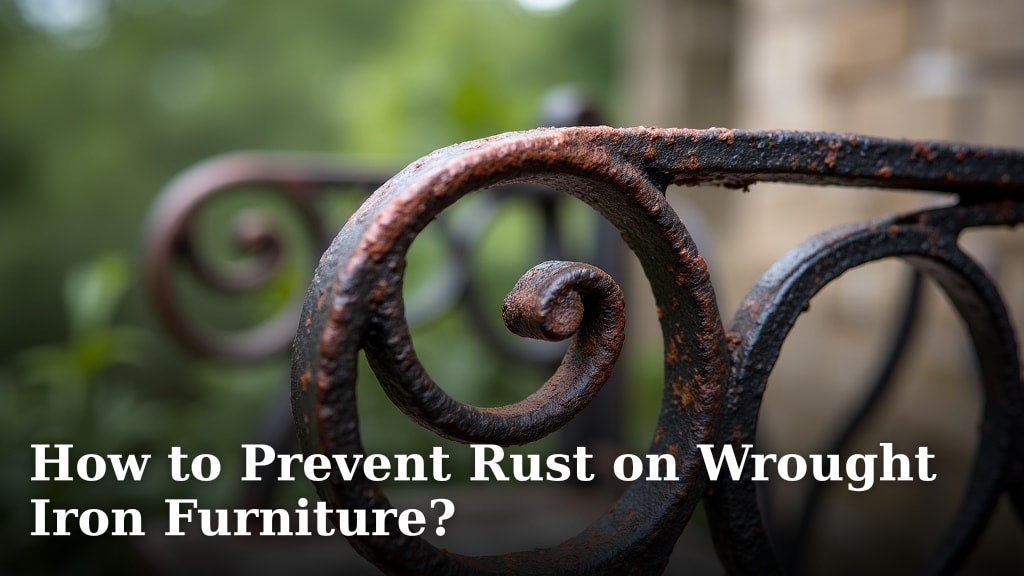
Metal furniture is robust but can be prone to rust, especially wrought iron or steel. Aluminum is more rust-resistant.
Clean with mild soap and water, then rinse and dry. For iron or steel, consider applying a coat of wax or sealant after cleaning to protect against moisture.
Tackling Rust Spots
Rust can be unsightly. If you spot rust on your metal pieces, don’t despair!
Gently sand the rusted area with fine-grit sandpaper, then clean thoroughly. Many experts recommend applying a rust-inhibiting primer and then touching up with outdoor paint (NIH).
Wood Furniture (Teak, Cedar, Acacia)
Wood furniture offers a classic look but requires specific attention to maintain its beauty. Each type of wood has slightly different needs.
For general cleaning, use a soft brush and a mixture of mild soap and water. For teak, special teak cleaners or a very diluted bleach solution can brighten grayed wood. Always rinse thoroughly.
Sun & Water Damage on Wood
Sun and water are big enemies of wood. They can cause fading and cracking.
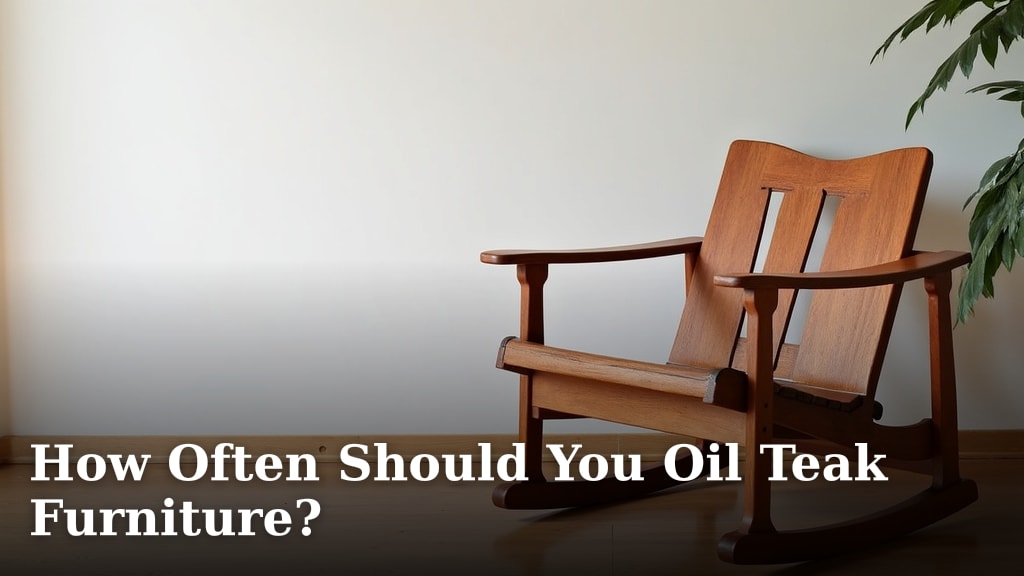
To protect wood, consider regular oiling with a suitable outdoor furniture oil. This helps repel water and keeps the wood nourished, preventing it from drying out.
Fabric Cushions & Umbrellas
Ah, the comfy parts! These often bear the brunt of spills and sun exposure. Keeping them clean means acting fast.
Most fabric covers are removable and machine washable; check the care tag first. For spot cleaning, use a mixture of mild soap and water, then blot with a clean cloth.
Dealing with Mildew
Mildew loves damp fabric. If you see those tell-tale black spots, you need to act quickly.
We found that a solution of one part bleach to four parts water, or white vinegar for a gentler option, can help. Apply, let sit for a few minutes, then scrub gently and rinse thoroughly (CDC).
A Handy Cleaning Checklist
Here’s a simple checklist to guide your patio furniture cleaning routine:
- Dust off loose debris from all surfaces.
- Wipe down with mild soapy water and a soft cloth.
- Rinse thoroughly with a garden hose.
- Allow all items to air dry completely.
- Check for specific stains like mildew or rust.
- Apply specialized cleaners for tougher spots or materials.
- Use protective covers or store furniture if bad weather is coming.
Seasonal Cleaning Strategies
Cleaning isn’t a one-and-done job. A little seasonal planning goes a long way.
Spring Refresh
After winter, your patio furniture will likely need a deep clean. This is the time for a thorough scrubbing.
Wipe down everything, address any mildew or rust that developed, and get it sparkling for the warmer months ahead. Think of it as waking your patio up!
Summer Maintenance
During the peak usage months, regular, quick cleaning is your friend. Don’t let dirt build up.
A fast wipe-down after a party, or before expected rain, will keep things looking good and prevent bigger issues later.
Fall Prep & Winter Storage
Before the cold weather sets in, give your furniture one last good clean. It’s like putting it to bed for the season.
Store cushions indoors, cover larger pieces, or move entire sets into a shed or garage. This protects them from harsh winter elements and makes spring cleaning easier.
Cleaning Supplies You’ll Need
Having the right tools makes any job easier. Here’s a quick overview of what to keep on hand:
| Material | Recommended Cleaner | Tools |
|---|---|---|
| Plastic & Resin | Mild soap & water, baking soda paste | Soft brush, sponge, hose |
| Wicker (Natural) | Mild soap & water (diluted) | Vacuum, soft brush, soft cloth |
| Wicker (Resin) | Mild soap & water | Soft brush, hose |
| Metal | Mild soap & water, rust remover (for spots) | Soft cloth, sandpaper (for rust) |
| Wood | Mild soap & water, wood cleaner, outdoor oil | Soft brush, cloth |
| Fabric | Mild soap & water, fabric cleaner, vinegar/bleach (for mildew) | Soft brush, spray bottle, clean cloths |
Conclusion
Keeping your patio furniture clean might seem like a chore, but it’s a simple investment in your outdoor enjoyment. By understanding your materials and committing to a routine, you can extend the life of your furniture and ensure your patio always looks welcoming.
Remember, a little consistent effort goes a long way. So, grab your cleaning supplies and give your outdoor space the care it deserves!
How often should I clean my patio furniture?
We generally recommend a thorough deep clean at the start and end of the outdoor season, usually spring and fall. For ongoing maintenance, a quick wipe-down or spot clean once a week or after heavy use is ideal to keep dirt from building up.
Can I use a pressure washer on patio furniture?
You can use a pressure washer on some very durable materials like plastic or metal, but use a low setting and keep the nozzle far from the surface. For delicate materials like natural wicker, wood, or fabric, a pressure washer can cause serious damage, so it’s best to avoid it.
What’s the best way to remove mold or mildew from outdoor cushions?
For mold or mildew on outdoor cushions, many experts suggest a solution of white vinegar and water (50/50 mix) or a diluted bleach solution (one part bleach to four parts water) for tough cases. Always test on an inconspicuous area first and rinse very well.
Should I bother cleaning patio furniture before storing it for winter?
Yes, absolutely! Cleaning your patio furniture before winter storage is very important. Any dirt, grime, or moisture left on the furniture can lead to mildew, rust, or material degradation during storage, making it much harder to clean and potentially damaging it when you bring it out next season.
Are there any eco-friendly cleaning options for patio furniture?
Certainly! For many types of patio furniture, simple white vinegar, baking soda, and mild dish soap mixed with water are effective and eco-friendly cleaning options. These natural cleaners can tackle most dirt and some stains without harsh chemicals, making them safer for your yard and the environment.