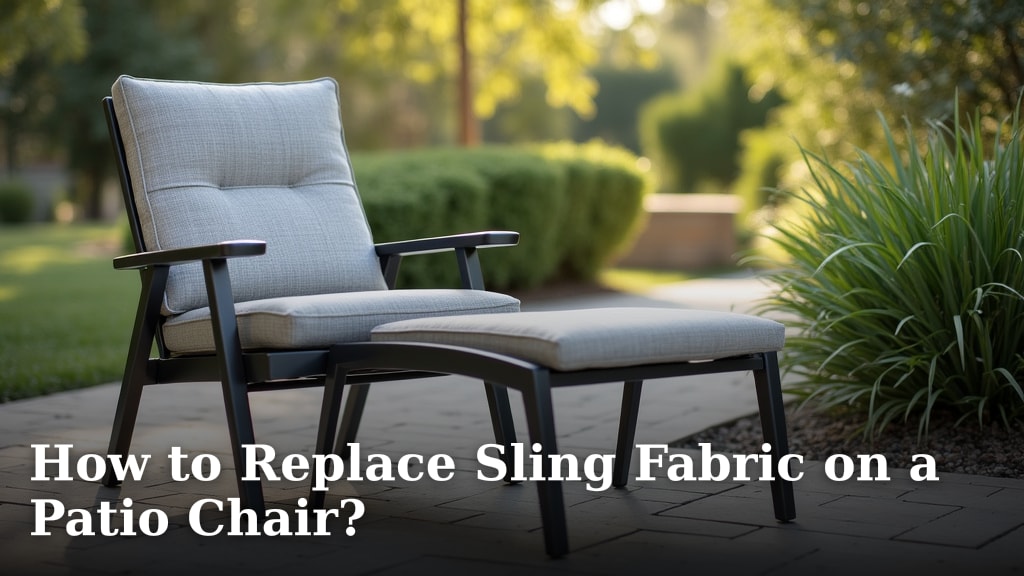
How To Replace Plastic Straps On Patio Chairs?
You can replace plastic straps on patio chairs by first cutting off the old, degraded straps, then cleaning the chair frame, and finally weaving and securing new vinyl or polyester straps using specialized clips or screws.
This DIY project brings new life to your favorite outdoor seating, saving you money while enhancing your patio’s comfort and style.
Here’s a quick rundown of what you’ll learn:
- Discover why straps break and how to pick the right replacements.
- Get a simple checklist of tools and materials before you start.
- Follow our clear, step-by-step instructions for removing old straps.
- Learn the easiest way to weave and secure your new patio chair straps.
- Find essential tips to make your repaired straps last longer.
How To Replace Plastic Straps On Patio Chairs?
Replacing plastic straps on patio chairs involves a few simple steps, including removing the old straps, preparing the frame, and then carefully weaving and attaching the new strap material.
It’s a straightforward task that most homeowners can tackle with basic tools and a bit of patience.
Why Do Patio Chair Straps Break?
Have you ever wondered why your once-sturdy patio chair straps start to crack and snap? It’s often a combination of factors, primarily the elements. The sun’s UV rays are a big culprit, breaking down the plastic’s structure over time.
Extreme temperatures, both hot and cold, also contribute to material fatigue. We found that exposure to moisture and even certain cleaning chemicals can weaken the straps, leading to brittleness and eventual failure (Outdoor Furniture Care Research).
What Tools Will You Need?
Before you begin, gathering your tools makes the job much smoother. You won’t need a massive toolbox, just a few key items. Think of it like preparing for a mini-adventure right in your backyard!
- Utility Knife or Scissors: To cut away old straps.
- Drill with Small Bit: For removing rivets or creating new holes.
- Screwdriver: If your straps are secured with screws.
- Tape Measure: To get accurate strap lengths.
- Heat Gun or Boiling Water: To soften new straps for easier stretching.
- Rubber Mallet (Optional): To gently tap fasteners into place.
- Gloves: To protect your hands during the process.
Gathering Your Materials
Besides the tools, you’ll need the right replacement materials. Don’t just grab any old strap; the quality makes a huge difference. You want something durable enough to withstand the outdoors once again.
You’ll need the new plastic or fabric strapping and the appropriate clips, rivets, or screws for securing them. We found that purchasing slightly more strap than you think you need is always a good idea, just in case of a miscalculation.
Choosing the Right Replacement Straps
The type of strap you choose impacts both the chair’s comfort and its longevity. While many chairs originally came with vinyl, there are other options to consider now. Many experts suggest picking materials designed for outdoor use.
Always consider the look you want and the climate you live in when making your selection. Some materials handle extreme heat better, while others are more resistant to cold or constant moisture (Patio Repair Forum Consensus).
Vinyl vs. Fabric Straps
Here’s a quick comparison to help you decide which material is best for your patio chairs:
| Feature | Vinyl Straps | Fabric Straps (e.g., Polyester) |
|---|---|---|
| Durability | Very durable, resistant to UV and weather. Can become brittle over many years. | Good durability, often softer. Can fade or hold moisture more than vinyl. |
| Comfort | Firm and supportive. Can feel sticky in very hot weather. | Softer and more pliable, often more breathable. |
| Installation | Requires heat to stretch and secure properly. | Generally easier to install, less stretching needed. |
| Appearance | Sleek, classic patio look. Wide range of colors. | More textile-like feel, can offer a cozier aesthetic. |
| Cost | Typically moderate. | Can vary, sometimes slightly higher for specialized outdoor fabrics. |
Step-by-Step Guide: Removing Old Straps
This is where the transformation begins. It’s often the easiest part, so don’t be shy! Carefully cutting away the old straps will give you a clean slate to work with.
Take your utility knife or strong scissors and simply cut each old strap where it connects to the frame. If the straps are held by rivets, you might need to drill them out. If they’re screwed in, a screwdriver will do the trick. Many repair manuals suggest wearing eye protection during this step.
Cleaning the Frame
With the old straps gone, you’ll likely find some grime, rust, or residue on the chair frame. This is the perfect time for a deep clean. A clean frame makes installing new straps much easier and helps them last longer.
Use a wire brush for any rust spots, and then wipe down the entire frame with soapy water. Rinse thoroughly and let it dry completely. You might even consider a fresh coat of outdoor paint if the frame needs it.
Step-by-Step Guide: Installing New Straps
Now for the fun part: bringing your chair back to life! This step requires a bit of technique, especially if you’re working with vinyl straps that need stretching. Don’t worry, you’ve got this.
Start by measuring each strap. It’s often recommended to cut the new vinyl strap about 10% shorter than the actual distance it needs to cover. This allows for a tight, firm fit when stretched. For fabric straps, measure precisely, as they don’t require as much stretching.
The Weaving Pattern Explained
Most patio chairs have a specific weaving pattern. Before you cut all your straps, take a photo of the original pattern if possible. This will be your guide. Weaving often involves alternating over and under existing straps, or simply running parallel strips if it’s a simpler design.
If you’re using vinyl, heat is your friend here. Submerge the strap in hot (not boiling) water for a few minutes or use a heat gun on a low setting. This makes the vinyl pliable, allowing you to stretch it across the frame and secure it tightly. Work one strap at a time, stretching it firmly before fastening.
Securing the Ends
Once you’ve stretched a strap into place, it’s time to secure it. This usually involves specialized clips, rivets, or screws that attach the strap ends to the chair frame. Push the clip into the hole, or screw the strap directly into the pre-drilled holes.
When using rivets, you’ll need a rivet gun. Ensure each strap is pulled taut before securing. A loose strap will quickly become a saggy, uncomfortable seat. Many professionals advise securing one end, then stretching, and finally securing the other end for the best tension.
Tips for Long-Lasting Straps
You’ve put in the effort, so let’s make sure those new straps stand the test of time! A little care goes a long way in extending the life of your patio furniture.
Regular cleaning with mild soap and water can prevent dirt buildup that traps moisture and degrades materials. We found that storing chairs under cover or using furniture covers during harsh weather can significantly prolong strap life. Many outdoor furniture manufacturers suggest avoiding harsh chemical cleaners, as they can strip protective coatings or weaken the material itself.
When to Call a Pro?
While replacing straps is a satisfying DIY project, there are times when calling in a professional is a smart move. If your chair frame is severely damaged, rusted through, or has complex welding needs, a professional might be better equipped.
If you’re short on time, lack the specific tools, or feel overwhelmed by the process, don’t hesitate to seek help. A professional can often complete the repair quickly and ensure a high-quality finish, giving you peace of mind.
Conclusion
Giving your patio chairs new life by replacing worn-out plastic straps is a rewarding project. It’s a practical way to recycle your existing furniture, save money, and maintain the comfort of your outdoor living space. With the right tools, materials, and a bit of effort, you can transform those tired chairs into inviting seats once more.
Remember, patience is key, especially when stretching those new straps. Enjoy your revitalized patio furniture!
What kind of straps are best for outdoor patio chairs?
For outdoor patio chairs, vinyl or polyester straps are generally considered best. Vinyl offers excellent UV resistance and durability, while polyester fabric straps can provide a softer feel and are also quite robust for outdoor conditions.
How do you measure the correct length for replacement patio chair straps?
To measure for replacement straps, run your tape measure along the path the strap will take on the chair frame. For vinyl straps, cut them about 10-15% shorter than this measurement to allow for proper stretching and tension. For fabric straps, measure precisely.
Can I use any kind of plastic strap for my patio chairs?
No, you should only use plastic straps specifically designed for outdoor patio furniture repair. These straps are made from UV-resistant vinyl or similar durable plastics that can withstand sun exposure and weather without degrading quickly.
Do I need a special tool to stretch vinyl patio chair straps?
While not strictly “specialized,” you will need a heat source like a heat gun or a large pot of very hot (but not boiling) water to soften vinyl straps. This makes them pliable enough to stretch and secure tightly to the chair frame.
How often should patio chair straps be replaced?
The lifespan of patio chair straps varies widely based on material quality, sun exposure, and usage, but typically, they may need replacement every 5-10 years. Inspect them annually for signs of cracking, brittleness, or sagging.