How To Prevent Rust On Metal Patio Furniture?
On this page (4 sections)
To prevent rust on metal patio furniture, regularly clean and dry the surfaces, apply protective coatings like wax or paint, and store it properly during harsh weather conditions.
Maintaining a rust-free appearance for your outdoor furniture involves routine care, immediate touch-ups for scratches, and using breathable covers to shield it from moisture.
- Keep your metal patio furniture clean and dry at all times.
- Apply rust-inhibiting primers, paints, or sealants regularly.
- Repair any scratches or chips immediately to stop rust before it spreads.
- Use protective covers, especially during rain or when not in use.
- Store furniture indoors or under cover during winter months to protect it from harsh elements.
How To Prevent Rust On Metal Patio Furniture?
Keeping your metal patio furniture rust-free involves routine cleaning, applying protective coatings, and proper storage during harsh weather. It’s like giving your outdoor pieces a superhero shield against the elements!
Understanding Why Rust Forms
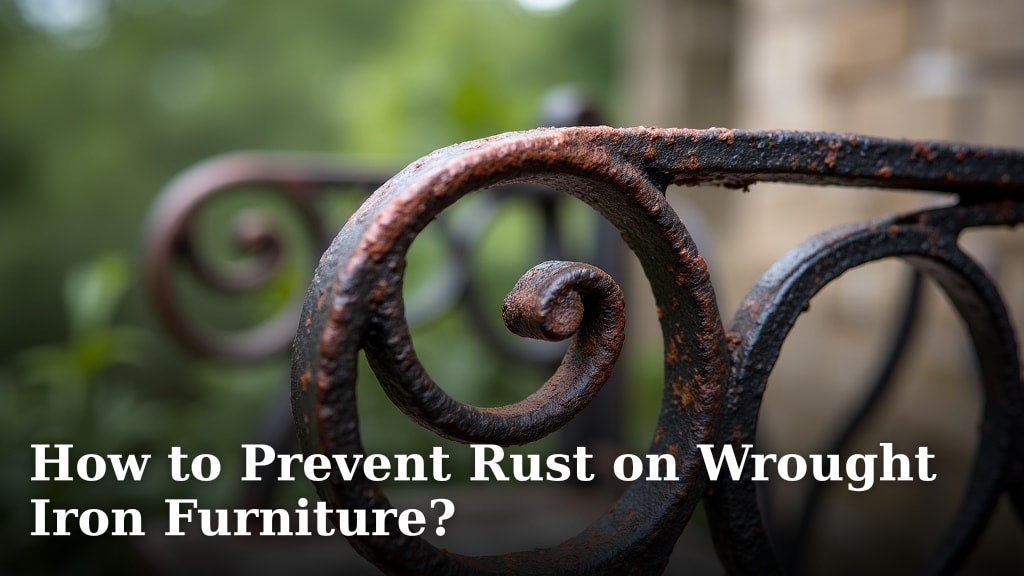
Have you ever wondered why some metals rust and others don’t? Rust is simply iron oxide, a reddish-brown flaky coating that forms when iron or its alloys, like steel, are exposed to oxygen and water.
Your beautiful metal patio furniture, often made of steel, is especially susceptible. The combination of rain, humidity, and even morning dew creates the perfect environment for rust to begin its slow, destructive work.
Choosing Rust-Resistant Furniture from the Start
The best defense often starts with a smart offense. When buying new patio furniture, consider the material. Some metals are naturally more rust-resistant, saving you effort later.
Many experts say that selecting furniture made from materials less prone to rust can make a world of difference (Consumer Reports).
Material Matters: Aluminum vs. Steel
Aluminum furniture, for example, doesn’t rust. It might oxidize and form a white, powdery residue, but it won’t corrode like steel. It’s a fantastic, lightweight option if rust prevention is your top priority.
Wrought iron and steel furniture, while sturdy and classic, are definite rust magnets if not properly cared for. Always check if steel pieces are powder-coated or galvanized for extra protection.
Essential Maintenance for Rust Prevention
Regular maintenance is like a spa day for your patio furniture. It keeps everything looking fresh and prevents tiny problems from becoming big, rusty headaches. Let’s dive into some easy, effective steps.
Regular Cleaning is Your First Defense
Dirt, grime, and environmental pollutants can trap moisture against your furniture’s surface, speeding up rust formation. A simple cleaning routine works wonders.
We found that cleaning your metal furniture every few weeks, or after heavy rain, with mild soap and water is very effective. Just wipe it down, rinse thoroughly, and then dry it completely with a soft cloth.
Apply Protective Coatings and Sealants
Think of protective coatings as an invisible force field. These layers create a barrier between the metal and the elements, blocking out moisture and oxygen.
Rust-inhibiting primers are fantastic for preparing bare metal surfaces before painting. Follow up with a high-quality, outdoor-grade, water-resistant paint. For existing painted furniture, a clear sealant or a wax application can extend its life.
The Power of Wax and Oil
Did you know a simple wax can protect your metal furniture? Applying a car wax, like carnauba wax, a few times a year can provide a glossy, water-repellent layer. It makes water bead up and roll right off, much like it does on a freshly waxed car.
Alternatively, some furniture oils create a protective film. This is especially helpful for wrought iron pieces, which love a little extra nourishment and protection.
Addressing Scratches and Chips Immediately
Even a tiny scratch can be a gateway for rust. When the protective coating is broken, moisture can reach the bare metal beneath. It’s like leaving a tiny window open for rust to sneak in.
If you spot a scratch or chip, clean the area, lightly sand away any existing rust with fine-grit sandpaper, and then apply a rust-inhibiting primer followed by a matching touch-up paint. Don’t procrastinate!
Smart Strategies for Long-Term Protection
Beyond daily upkeep, smart planning and proactive measures ensure your furniture stays rust-free for many seasons. These strategies are about working smarter, not harder.
Invest in Quality Furniture Covers
Think of furniture covers as a cozy blanket for your outdoor pieces. They shield your furniture from rain, snow, heavy dew, and even intense UV rays, which can degrade protective finishes.
Look for covers that are breathable to prevent moisture from getting trapped underneath, but also waterproof. Many experts recommend custom-fit covers for the best protection (Good Housekeeping).
Consider Strategic Placement
Where you place your furniture can significantly impact its rust susceptibility. Is it constantly getting soaked by a sprinkler system? Is it out in the open, fully exposed to every rain shower?
Placing metal furniture under a covered patio, an awning, or even a large umbrella can drastically reduce its exposure to moisture. A little shade and cover go a long way in preventing rust.
Proper Winter Storage is Key
Winter can be tough on outdoor furniture. Freezing temperatures, snow, and ice are a harsh combination. Storing your furniture indoors during the colder months is perhaps the most effective rust prevention method.
Before putting furniture into storage, ensure it’s thoroughly cleaned and completely dry. A dry garage, shed, or basement is ideal. If indoor storage isn’t possible, use sturdy, waterproof covers.
Elevate Furniture Off Damp Surfaces
Leaving furniture legs directly on damp concrete or grass can lead to rust creeping up from the bottom. This continuous moisture contact creates a perfect rust breeding ground.
Consider adding small rubber stoppers or glides to the bottom of furniture legs. Even small wooden blocks can work. This lifts the metal slightly, allowing air to circulate and surfaces to dry completely.
Routine Inspection: Your Rust Patrol
Becoming your own rust detective is a great habit. Periodically, take a close look at your furniture, especially in hidden spots like joints, welds, and underneath surfaces.
Catching rust early means you can treat it before it spreads, turning a small touch-up job into a major restoration project. Early detection saves time, money, and your furniture’s appearance.
Here’s a quick checklist to keep your patio furniture rust-free:
- Clean regularly with soap and water.
- Dry thoroughly after cleaning or rain.
- Apply rust-resistant paint or sealant.
- Touch up scratches and chips right away.
- Use quality, breathable furniture covers.
- Store indoors during off-season.
Choosing the right material from the start can simplify your rust prevention efforts, but even the best materials benefit from care.
| Metal Type | Rust Resistance | Maintenance Level |
|---|---|---|
| Aluminum | Excellent (does not rust) | Low |
| Stainless Steel | Very Good (rusts minimally) | Medium |
| Wrought Iron | Low (high rust risk) | High |
| Powder-Coated Steel | Good (if coating intact) | Medium |
Conclusion
Preventing rust on your metal patio furniture isn’t a one-time task; it’s an ongoing partnership between you and your outdoor living space. By consistently cleaning, protecting, and storing your furniture with care, you’re not just fighting rust—you’re extending the life and beauty of your cherished outdoor oasis.
A little bit of effort truly goes a long way. With these practical steps, you can enjoy your outdoor furniture for many seasons to come, without the unsightly worry of rust. Happy lounging!
Can I paint rusty patio furniture?
Yes, you can paint rusty patio furniture, but it requires proper preparation. You’ll need to clean the furniture, remove loose rust with a wire brush or sandpaper, and then apply a rust-inhibiting primer before painting with an outdoor-grade paint. Skipping these steps might lead to the rust returning quickly.
How often should I clean my metal patio furniture?
Ideally, you should clean your metal patio furniture every few weeks, especially if it’s exposed to rain, dust, or pollen. A deeper clean once a season, coupled with quick wipe-downs after heavy weather, helps maintain its condition and prevents dirt from trapping moisture.
Is it okay to leave metal patio furniture out in the rain?
While some metal furniture is designed for outdoor use, prolonged exposure to rain, especially untreated iron or steel, will inevitably lead to rust. Using waterproof covers or storing it under a covered area during heavy rain is always the best practice to protect your investment.
What’s the best type of metal for rust-free patio furniture?
Aluminum is widely considered the best metal for rust-free patio furniture because it doesn’t rust. It forms an oxidation layer that protects it from further corrosion. Stainless steel is also a good choice, offering high rust resistance, though it can show minor surface rust in certain conditions.
What if rust has already started?
If rust has already started, don’t despair! For minor spots, you can gently sand the area with fine-grit sandpaper or use a wire brush. Clean the area thoroughly, apply a rust converter product, then prime and paint with a suitable outdoor paint. For severe rust, professional restoration or replacement might be necessary.