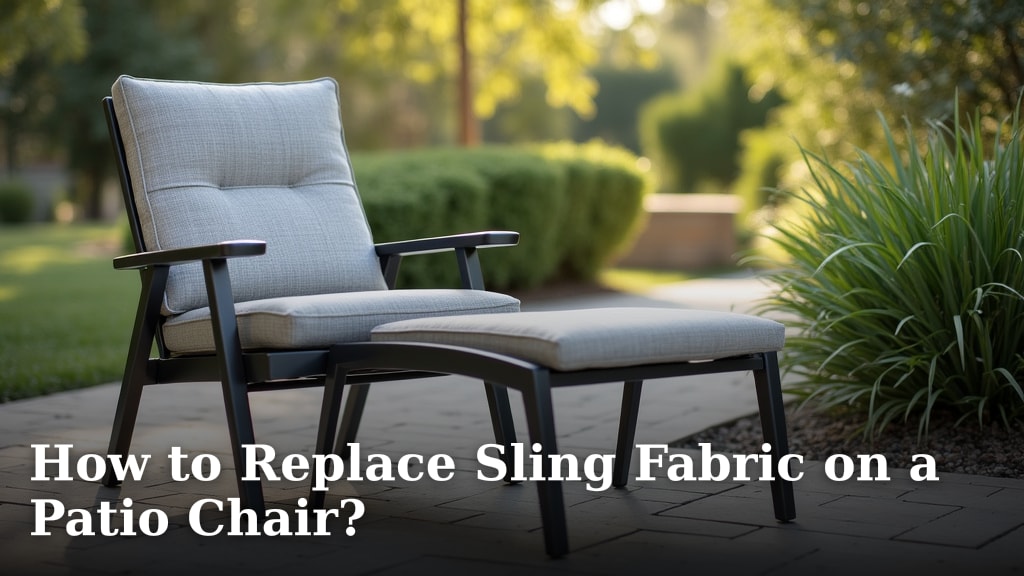
How To Repair Patio Chair Straps?
To repair patio chair straps, you often need to remove the old, broken strapping, clean the frame, measure and cut new strapping material, and then attach the fresh straps using specialized clips, rivets, or by weaving them into the chair’s design.
This process can refresh your outdoor furniture, giving it a new lease on life without needing a complete replacement.
- Repairing patio chair straps is usually a DIY project saving you money.
- You’ll typically need new strapping, basic tools, and a little patience.
- Choosing the right strap material, like vinyl or polyester, is key for longevity.
- Proper measuring and attachment methods make all the difference in a lasting repair.
- Regular cleaning and protection can extend the life of your repaired straps.
How To Repair Patio Chair Straps?
Repairing patio chair straps brings your favorite outdoor seating back to life. It involves removing old straps and fitting new ones securely.
Why Do Patio Chair Straps Break?
Patio chair straps face tough conditions year-round. We found that sun exposure is a major culprit. UV rays break down materials over time.
Constant use also causes wear and tear. Sitting and shifting put stress on the straps. This leads to cracking, stretching, and eventually, snapping.
Even weather changes, like extreme heat or cold, can weaken materials. It’s like a tiny wrestling match your chair battles every day.
Assessing The Damage: Can You Fix Them?
Before diving in, take a good look at your chair. Are a few straps broken, or is the entire set failing?
Small cracks or a single broken strap are often easy fixes. If the chair frame is sound, you are in good shape.
However, if many straps are brittle, or the frame itself looks shaky, a full repair might be a bigger task. You want to make sure the effort is worth it.
What Materials Do You Need?
Gathering your tools makes the job smoother. You will want a few key items before you start.
Here is a basic list: new strapping material, a tape measure, scissors, a rivet gun (if using rivets), and maybe a drill. A heat gun can be helpful for vinyl straps.
Don’t forget safety glasses. Bits of old material or metal can fly when you’re working.
Choosing The Right Strapping Material
The type of material makes a big difference in comfort and lifespan. Vinyl is a very common choice for patio furniture.
We found that vinyl offers good flexibility and UV resistance. Polyester is another option, often seen in woven designs.
Each material has its pros and cons, especially concerning durability and feel. Consider your local climate and how much sun your chairs get.
| Material Type | Pros | Cons |
|---|---|---|
| Vinyl (PVC) | Flexible, UV resistant, wide color range | Can become brittle with age, less breathable |
| Polyester | Strong, resists stretching, quick-drying | Can fade, may feel rougher than vinyl |
| Acrylic | Soft, good fade resistance, durable | More expensive, less stretch than vinyl |
Prepping Your Patio Chair For Repair
First, clean the chair frame. Dirt and grime can hide issues or make new straps harder to attach.
Next, carefully remove the old straps. You might need a screwdriver or pliers for this step. Be gentle with the frame.
Removing all bits of old material is important for a clean slate. This prepares the frame for its new look.
Step-by-Step Guide: Replacing Straps
Ready to get hands-on? Replacing straps is a rewarding project. Here’s a general path you can follow.
Many experts say to work slowly and measure twice. This helps avoid mistakes and wasted material.
Remember, each chair might have slightly different attachment points. Adapt these steps to your specific furniture design.
- Clean the chair frame thoroughly.
- Remove all broken and old strap pieces.
- Measure the length of each new strap, adding extra for attachment.
- Cut the new strapping to size.
- Attach one end of the new strap to the chair frame.
- Stretch the strap across the frame and secure the other end.
- Repeat for all broken straps.
Measuring And Cutting New Straps
This part needs precision. Measure the distance between the attachment points on the chair frame.
Then, add about 10-15% extra length for tension and attachment. For example, if a gap is 20 inches, cut your strap to 22-23 inches.
This extra length lets you stretch the strap snugly. A snug strap gives proper support and lasts longer.
Attaching New Straps To The Frame
How you attach the straps depends on your chair’s design. Some chairs use rivets, which need a rivet gun.
Others use small clips or pins that slide into holes. You might also weave straps through slots. We found that most systems are quite intuitive.
Make sure the strap is tight, but not so tight it distorts the frame. You want a firm, comfortable feel.
Working With Vinyl Straps: Specific Tips
Vinyl straps are popular because they stretch. A little heat helps make them more pliable for stretching.
A heat gun or even hot water can soften vinyl. This makes it easier to pull tight and secure.
Be careful not to overheat the vinyl. Just enough warmth to make it flexible will do the trick. Think of it like a warm, stretchy rubber band.
What If My Chair Has Webbing?
Some patio chairs use wide webbing instead of individual straps. Repairing webbing is a similar idea.
You will still remove old material and measure new pieces. The main difference is the width and sometimes the attachment method.
Webbing often weaves over and under itself. This can be a bit like a puzzle to put back together.
When Is It Time To Call A Pro?
Sometimes, DIY is not the best path. If the chair frame is bent or broken, it might need welding.
If your chair has a very complex strapping pattern, a professional could save you frustration. They have specialized tools and experience.
Many local patio furniture shops offer repair services. Getting a quote can help you decide. It is always good to know your options.
Keeping Your Straps Strong: Maintenance Tips
Once your chairs are repaired, a little care keeps them looking good. Clean your straps regularly with mild soap and water.
This removes dirt and pollutants that can break down materials. Consider using a UV protectant spray, especially for vinyl straps.
Store chairs under cover during harsh weather, if possible. This small effort helps prevent future damage.
Conclusion
Repairing patio chair straps is a practical way to extend the life of your outdoor furniture. With the right tools and a bit of patience, you can tackle this project yourself.
By understanding why straps fail and choosing good quality replacement materials, you ensure your chairs are comfortable and ready for many more seasons of enjoyment. It is a satisfying project that saves money and keeps your favorite patio spots inviting.
What kind of replacement straps should I buy for my patio chair?
When buying replacement straps, look for vinyl (PVC) for elasticity and UV resistance, or polyester for strength and quick drying. Check your chair’s original design to match width and attachment style, whether it is for clips, rivets, or weaving.
How do I measure the correct length for new patio chair straps?
Measure the distance between the two attachment points on your chair frame. Then, add an extra 10% to 15% to that measurement. This added length allows for the necessary stretch to create a tight, supportive fit.
Can I use a hair dryer instead of a heat gun to soften vinyl straps?
A hair dryer can work for softening vinyl straps, but it might take longer and not get as hot as a dedicated heat gun. If you use a hair dryer, set it to its highest heat and work in small sections, being careful not to overheat or damage the strap.
What if my patio chair straps are attached with rivets?
If your straps use rivets, you will need a drill to remove the old rivets and a rivet gun to install new ones. Drill out the center of the old rivet to release the strap. When attaching new straps, hold them taut and use the rivet gun to secure them firmly to the frame.
How often should I clean my patio chair straps to make them last longer?
It is a good idea to clean your patio chair straps at least once or twice a season, or more often if they are exposed to heavy use or harsh elements. A simple wash with mild soap and water removes grime that can degrade the material over time, helping to prolong their life.