Can Patio Furniture Stay Outside Winter?
On this page (6 sections)
You can leave some patio furniture outside during winter, but it largely depends on the material and your local climate.
To truly protect your investment, most patio furniture benefits from some winter preparation or proper storage.
- Understand your furniture material: Each type responds differently to cold and moisture.
- Assess your local winter: Mild winters allow more flexibility than harsh, snowy conditions.
- Prioritize protection: Covers, proper cleaning, and smart storage extend furniture life.
- Don’t forget cushions: Always bring these inside, no matter the weather.
- Simple steps save money: A little effort now prevents costly replacements later.
Can Patio Furniture Stay Outside Winter?
It’s possible for some furniture, but not all. Your furniture’s material and your local winter conditions are the biggest factors.
Thinking about leaving your outdoor furniture out all winter? Many homeowners wonder this same thing. We want to enjoy our patios, but winter often throws a wrench into those plans.
We found that leaving furniture exposed without care can lead to damage. This applies even in seemingly mild climates. You work hard for your patio oasis; let’s keep it looking great.
Understanding Your Climate: Cold Hard Facts
Your local weather conditions play a huge role. Do you experience deep freezes? Lots of snow and ice?
Or perhaps your winters are mild, mostly just chilly and wet? Knowing your typical winter weather is your first step in deciding what to do.
Mild Winters vs. Harsh Winters
In mild climates, furniture might withstand a bit more. Think occasional frost and light rain. Still, moisture and UV rays can cause problems.
Harsh winters, with heavy snow, freezing rain, and temperatures below freezing, are a different story. These conditions demand more robust protection for your furniture.
Material Matters: What Can Handle the Cold?
Not all patio furniture is created equal when it comes to winter. Each material has its strengths and weaknesses.
Let’s look at common materials. This helps you figure out what your specific pieces require.
Aluminum Furniture: Lightweight and Resilient
Aluminum is a popular choice for patios. It’s naturally rust-resistant, which is a big plus.
You can often leave aluminum frames outside. However, protecting the finish is still important to prevent fading or chipping (Outdoor Living Brands).
Wrought Iron: The Heavy-Duty Contender
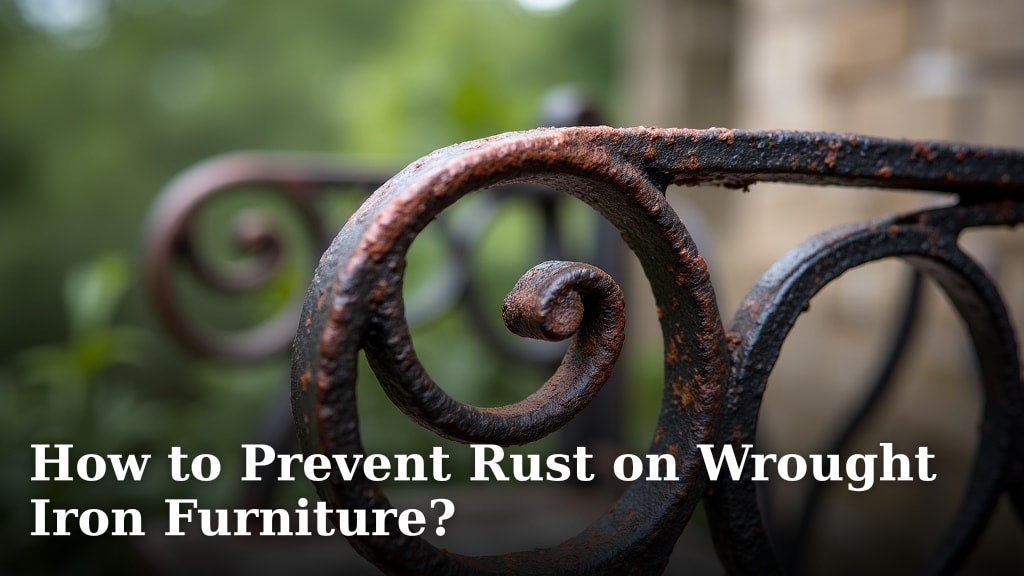
Wrought iron is sturdy and heavy. It generally handles winter well structurally.
The main concern with wrought iron is rust. If it’s painted or powder-coated, any chips can allow moisture to cause corrosion. Check for scratches before winter sets in.
Teak and Other Woods: Natural Beauty, Unique Needs
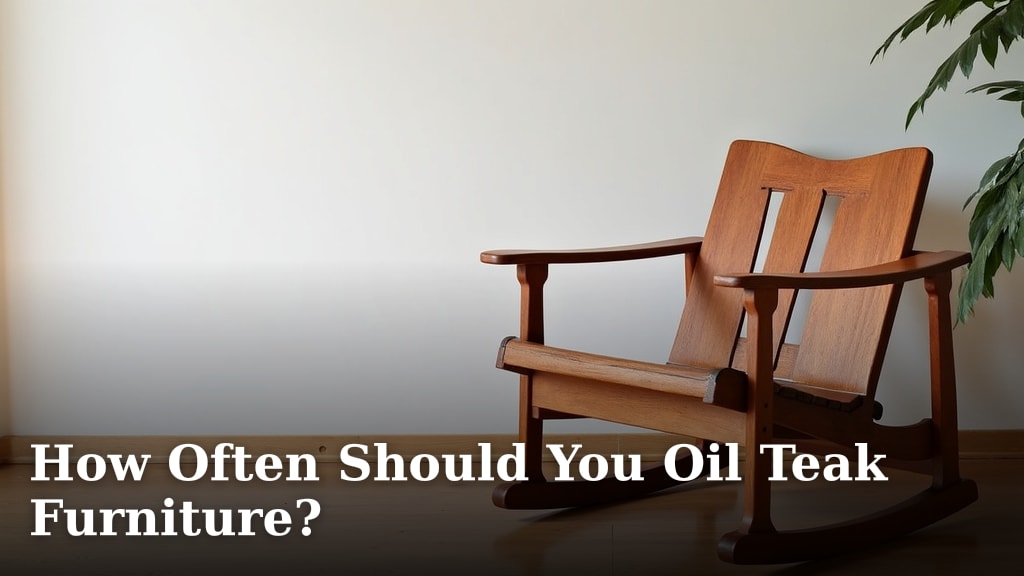
Teak is a very durable wood with natural oils. It resists rot and pests. Many experts say it can stay outdoors year-round.
Other woods, like cedar or acacia, might need more care. All wood benefits from being covered to limit moisture absorption and prevent warping or cracking.
Resin Wicker and Plastic: Modern and Durable
High-quality resin wicker is often quite weather-resistant. It’s made from synthetic materials that don’t absorb water.
Plastic furniture is also very durable against the elements. While they can stay out, keeping them covered prevents dirt buildup and UV damage (Good Housekeeping recommendations).
Cushions and Fabrics: Always Bring Them In
This is non-negotiable. Patio cushions and fabric slings should always come indoors for winter.
Moisture leads to mold and mildew, and freezing temperatures can degrade foam and fabric. Protecting your cushions extends their life significantly.
Smart Strategies: Protecting Your Patio Furniture
Even the toughest furniture benefits from some winter TLC. These steps can make a big difference.
You want your furniture ready for spring, right? Prevention is key to avoiding costly repairs or replacements.
Invest in Quality Covers
Furniture covers are your best friend. Look for waterproof, breathable covers that fit well.
Many research shows that covers protect against rain, snow, ice, and UV rays. They also keep dust and debris away (National Weather Service guidance on outdoor items).
The Power of Cleaning Before Winter
Before covering or storing, always clean your furniture. Dirt, pollen, and mildew can cause damage if left on all winter.
Use mild soap and water, then dry thoroughly. This step is often overlooked but helps prevent stains and deterioration.
Cleaning Checklist for Winter Prep
- Wash all surfaces with mild soap and water.
- Rinse thoroughly to remove all soap residue.
- Dry completely using towels or air drying in the sun.
- Check for any rust spots or chipped paint.
- Apply a protective sealant or wax if appropriate for the material.
Elevating Furniture for Better Drainage
If furniture must stay out, try to elevate it slightly. Even small blocks can prevent it from sitting in standing water or snow.
This simple trick reduces moisture exposure to the legs and bases. It also helps with air circulation.
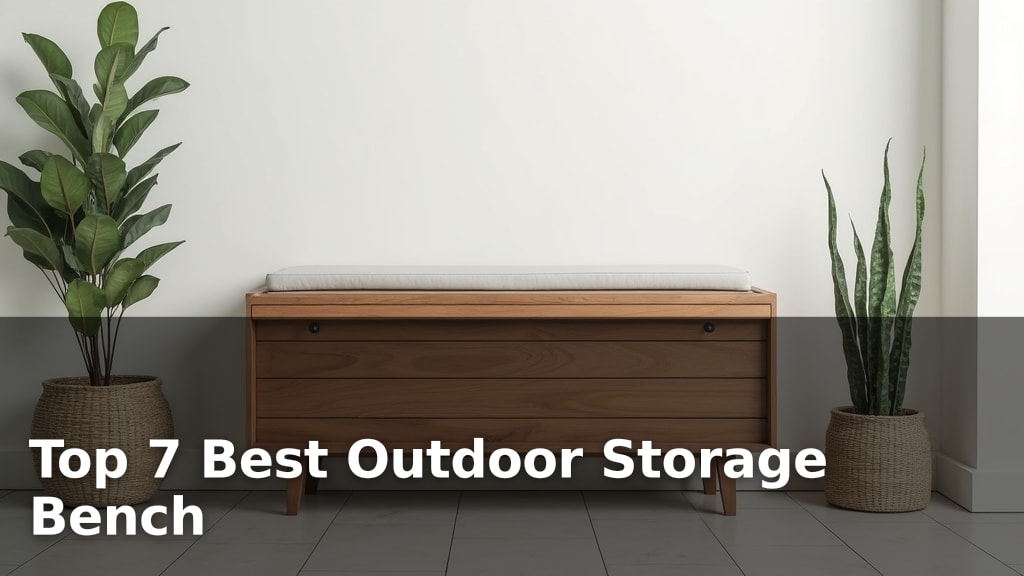
The Case for Storage: When to Bring it Inside
Sometimes, the best protection is simply moving your furniture indoors. This eliminates all worries about the elements.
Do you have space? A garage, shed, or basement works perfectly. Consider your options for storing items.
Benefits of Indoor Storage
Indoor storage offers complete protection. No freezing, no moisture, no UV damage.
It guarantees your furniture will look great next season. This is especially true for more delicate or expensive pieces.
Maximizing Space: Stacking and Organizing
When storing, think about how to save space. Many chairs stack well, and tables can often be disassembled.
Use vertical space if you have high shelves. Smart organization makes storage easier and more efficient.
Winterizing Patio Furniture: Material Specific Guide
Different materials need different levels of attention. Here’s a quick guide to help you.
| Material Type | Winter Durability | Best Protection Strategy |
|---|---|---|
| Aluminum | High | Covers, store cushions, clean and dry. |
| Wrought Iron | Medium-High | Rust inspection, touch-up paint, covers. |
| Teak Wood | High | Clean, optionally cover to preserve color. |
| Other Woods | Medium | Clean, dry, use protective covers or store. |
| Resin Wicker | High | Clean, use covers, store cushions. |
| Plastic | High | Clean, covers can prevent brittleness/fading. |
| Cushions/Fabric | Low | Always store indoors in a dry place. |
Common Mistakes to Avoid
Don’t just throw a tarp over everything. Trapped moisture can be worse than no cover at all.
Also, avoid storing furniture directly on cold concrete without airflow. This can lead to condensation and mildew.
A Final Winter Prep Checklist
- Clean all furniture surfaces thoroughly.
- Ensure everything is completely dry before covering or storing.
- Remove and store all cushions, pillows, and umbrellas indoors.
- Inspect furniture for damage like rust, chips, or cracks.
- Apply protective treatments like wax for wood or touch-up paint for metal.
- Cover furniture with breathable, waterproof covers, or move it indoors.
Conclusion
Deciding if patio furniture can stay outside in winter truly depends on multiple factors. Your furniture’s material and your specific winter climate are paramount.
While some materials are quite resilient, a little proactive care goes a long way. Investing in good covers, thorough cleaning, and smart storage will safeguard your patio investment and ensure it’s ready to shine when spring returns. You’ll be glad you took the time.
How do I prevent mold and mildew on patio furniture over winter?
To prevent mold and mildew, clean your furniture thoroughly with a mild soap and water solution before storing or covering. Ensure it is completely dry before putting it away, as any trapped moisture will encourage growth. Storing cushions indoors in a dry, well-ventilated area is also key.
Can I leave an outdoor fire pit outside during winter?
Many outdoor fire pits, especially those made of steel, cast iron, or concrete, can stay outside during winter. However, they should always be cleaned, drained of any water, and covered with a heavy-duty, waterproof cover to protect against rust and deterioration from harsh weather.
Is it better to stack patio chairs or keep them separate when storing?
If your chairs are designed for stacking, then stacking them can be an efficient way to save space in storage. Just make sure to place a soft barrier, like an old towel or foam, between each chair to prevent scratches and scuffs. If they aren’t stackable, keep them separate to avoid damage.
Will extreme cold temperatures damage my plastic patio furniture?
High-quality, UV-stabilized plastic patio furniture is generally quite resistant to extreme cold. However, prolonged exposure to very low temperatures can make some plastics more brittle and prone to cracking if bumped or stressed. Covering them can provide an extra layer of protection.
What should I do with my patio umbrella for winter?
Your patio umbrella should always be cleaned, allowed to dry completely, and then stored indoors for the winter. Remove the canopy from the frame if possible, or at least ensure it’s securely tied down and covered. This prevents fabric degradation, mold, and wind damage.