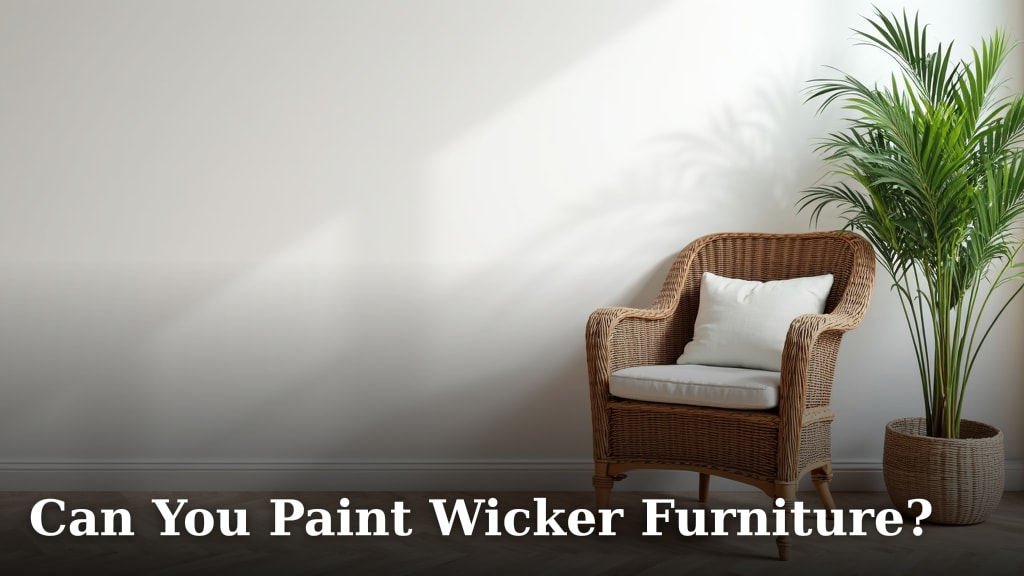
Can You Spray Paint Wicker Patio Furniture?
Yes, you absolutely can spray paint wicker patio furniture to refresh its look or change its color.
Success depends on proper preparation, choosing the right paint, and careful application to ensure a durable and attractive finish.
- You can definitely spray paint wicker furniture, but it needs the right approach.
- Clean and prep your wicker thoroughly for the best paint adhesion.
- Use a spray paint specifically designed for plastics or outdoor furniture.
- Apply multiple thin coats rather than one thick one to avoid drips and maintain texture.
- Protect your work area and allow plenty of drying time between coats for a smooth, lasting finish.
Can You Spray Paint Wicker Patio Furniture?
The straightforward answer is yes, you can spray paint wicker patio furniture with excellent results.
Many homeowners find this an effective way to revive tired pieces or match new décor without buying entirely new furniture. You just need to follow a few simple steps to get it right.
Why Give Your Wicker a Fresh Coat?
Perhaps your once-lovely wicker furniture has seen better days. The sun might have faded its color, or daily use left it looking dull.
Giving it a fresh coat of paint isn’t just about aesthetics; it also offers a layer of protection against the elements, extending its life. It’s an easy way to transform your outdoor space on a budget.
Natural Wicker vs. Synthetic Wicker: Understanding Your Material
Before you grab a can of spray paint, it’s wise to identify what type of wicker you have. Are your pieces made from natural plant fibers or modern synthetic materials?
This distinction matters for how the paint will adhere and what kind of paint you should choose.
Painting Natural Wicker
Natural wicker, made from rattan, bamboo, or willow, can absolutely be painted. These materials are porous, meaning they tend to absorb paint well.
However, they can also be prone to splintering if not handled with care. Experts often recommend a primer first for natural materials (Home Depot).
Painting Synthetic (Resin) Wicker
Synthetic wicker, often called resin wicker, is made from PVC or polyethylene. It’s known for its durability and resistance to weather.
This type of wicker has a smoother, less porous surface. You will need a paint formulated specifically for plastics to ensure proper adhesion. We found that adhesion is key for longevity on synthetic surfaces.
Gather Your Supplies: Preparing for Your Project
Success in spray painting wicker patio furniture starts with having the right tools. Think of it like cooking: you need all your ingredients ready before you begin.
This preparation helps the process go smoothly and gives you the best finish.
Essential Tools Checklist
- Drop cloths or old sheets
- Mild soap and water
- Stiff brush or sponge
- Gloves and safety glasses
- Fine-grit sandpaper (220-grit) or liquid deglosser
- Painter’s tape and plastic sheeting
- Rust-inhibiting primer (if needed, especially for natural wicker)
- Exterior-grade spray paint (for plastics/outdoor use)
- Clear topcoat sealant (optional, but recommended)
Preparing Your Wicker for Paint: The Most Important Step
Imagine trying to paint a dusty, greasy wall; the paint just wouldn’t stick. The same goes for wicker furniture. Preparation is not glamorous, but it is non-negotiable for lasting results.
Many painting guidelines emphasize that surface prep makes up 70% of a successful paint job (Sherwin-Williams).
Cleaning is Key
First, give your wicker a good scrub. Use mild soap and water with a stiff brush to remove dirt, grime, and any mildew. Rinse thoroughly with a hose, but avoid high-pressure washing that could damage the wicker.
Allow the furniture to dry completely—this might take a full day or two, especially in humid conditions.
Repairing Damage
Look for any loose strands or breaks in the wicker. For a complete walkthrough, see our wicker painting guide. For natural wicker, you might use wood glue to secure loose pieces. For synthetic wicker, small repairs often involve specialized repair kits or a strong adhesive.
Fixing these spots now will create a smoother, more professional finish.
Sanding or Scuffing
For natural wicker, a light sanding with fine-grit sandpaper can help the primer and paint adhere better. For synthetic wicker, sanding can be tricky. Instead, consider a liquid deglosser or “liquid sandpaper.”
This product creates a slightly tacky surface without the risk of scratching the material. Always test a small, hidden area first.
Taping and Protecting
Cover any parts you don’t want painted, like metal legs or hardware, using painter’s tape. Lay down drop cloths or old sheets generously around your work area.
Spray paint can drift, so protecting your patio or lawn is smart planning.
Choosing the Right Spray Paint for Wicker
The type of paint you choose can make or break your project. Don’t just grab any can off the shelf; look for labels that specify outdoor use and compatibility with plastics or wicker.
This helps ensure your paint job withstands the sun and rain.
| Wicker Type | Recommended Paint Type | Key Benefits |
|---|---|---|
| Natural Wicker | Exterior-grade spray paint with primer (or separate primer) | Better adhesion, prevents moisture absorption, lasting color |
| Synthetic Wicker | Spray paint specifically for plastics/resins or outdoor furniture | Flexibility with material, UV protection, excellent bonding |
| Both Types | All-in-one paint and primer, Rust-inhibiting options | Convenience, enhanced durability against rust (if metal parts) |
The Art of Spray Painting Wicker: Technique Matters
Now for the fun part! Spray painting wicker is less about speed and more about technique. It’s like frosting a cake: many thin layers create a beautiful, even result.
You want to avoid drips and ensure every woven crevice gets coverage.
Temperature Matters
Aim for a day with mild temperatures, typically between 50-85°F (10-30°C), and low humidity. Extreme temperatures can affect paint drying and adhesion.
Painting in a well-ventilated area, like outdoors on a calm day, is always a good idea (EPA guidelines).
Application Technique
Hold the spray can about 8-12 inches from the surface. Use a steady, sweeping motion, moving past the furniture at the beginning and end of each pass. This technique helps prevent paint build-up at the edges.
Focus on getting light, even coverage.
Multiple Thin Coats
This is where patience pays off. Apply several thin coats rather than one thick one. A thick coat will likely drip, obscure the wicker’s texture, and take ages to dry.
Allow each coat to dry to the touch (check the paint can’s instructions) before applying the next, usually around 15-30 minutes.
Drying and Curing Time
After your final coat, resist the urge to use the furniture right away. While paint might be dry to the touch in hours, it often takes several days, sometimes even a week, to fully cure.
Curing means the paint has reached its maximum hardness and durability. Moving it too soon can cause scratches or damage.
Troubleshooting Common Issues
Even with careful planning, things can sometimes go awry. Don’t worry, many issues have simple solutions.
Drips can often be gently sanded down once dry, then re-coated. Uneven coverage might just need another thin coat.
Peeling paint, however, suggests poor preparation; in those cases, you might need to sand and re-prime the area. Learning from these minor setbacks helps you become a better painter.
Maintaining Your Newly Painted Wicker
Now that your wicker furniture looks brand new, how do you keep it that way? Regular, gentle cleaning is key. Use mild soap and water with a soft cloth to wipe down the surfaces.
Avoid harsh chemical cleaners, which can damage the paint finish. During extreme weather or winter months, storing your furniture indoors or covering it can significantly extend its vibrant life.
Conclusion
Spray painting wicker patio furniture is a fantastic DIY project that truly revitalizes your outdoor living area. By following these practical steps—from thorough cleaning and preparation to choosing the right paint and applying it correctly—you can achieve a beautiful, lasting finish.
It’s a rewarding project that saves money and gives your old furniture a vibrant, new lease on life. So, go ahead, give your wicker a splash of color and enjoy your refreshed patio!
How do I prevent spray paint from dripping on wicker?
To prevent drips, apply several very thin coats of paint instead of one thick layer. Hold the can about 8-12 inches away and use a continuous, sweeping motion. Allow adequate drying time between each coat before applying the next.
Do I need to sand wicker before painting?
For natural wicker, a light scuff sanding with fine-grit sandpaper (220-grit) helps paint adhere better. For synthetic wicker, sanding can be tricky; instead, a liquid deglosser is often recommended to create a receptive surface without damage.
What kind of spray paint is best for outdoor wicker?
Choose an exterior-grade spray paint specifically formulated for outdoor use and materials like plastics or resins. Look for features like UV resistance and durability to withstand weather conditions.
How long does spray paint take to dry on wicker?
Spray paint usually dries to the touch within 15-30 minutes, but it needs several days, sometimes up to a week, to fully cure and achieve maximum hardness. Always check the paint can’s instructions for exact drying and curing times.
Can I paint wicker that has mold or mildew?
No, you should never paint over mold or mildew. First, thoroughly clean the wicker with a solution of water and mild detergent or a mold-specific cleaner. Ensure the furniture is completely dry before proceeding with any painting or priming.