How to Protect Patio Furniture from Rain?
On this page (3 sections)
The easiest way to protect patio furniture from rain is by using waterproof covers and ensuring proper storage. Rain can cause a lot of damage, from rust to mold. Taking these steps helps your furniture last much longer.
You’ve invested in lovely outdoor furniture, right? It makes sense to keep it safe from the elements. We’ve all seen what a summer storm can do. Protecting your pieces means you won’t have to replace them as often. This saves you money and hassle in the long run.
- Use waterproof covers.
- Store cushions indoors.
- Choose weather-resistant materials.
- Clean and maintain regularly.
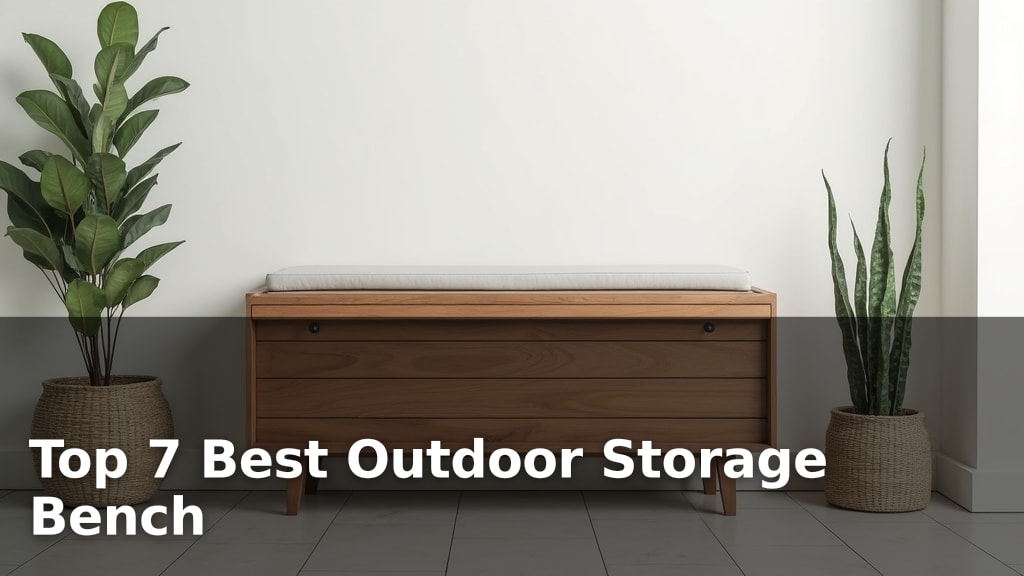
- Consider portable storage.
Let’s dive into the best ways to keep your patio furniture looking great, no matter the weather. We’ll show you exactly how to do it.
Shielding Your Outdoor Furniture from the Elements
Protecting your patio furniture from rain doesn’t have to be complicated. For the patio surface and surrounding area, see how to protect a patio from rain. It’s about understanding the threats and choosing the right defenses. Think of it like dressing your furniture for bad weather.
You want your outdoor oasis to last, right? We’ll walk you through the simplest and most effective strategies to keep everything in top shape.
Understanding Rain’s Impact on Patio Furniture
Rain isn’t just water; it’s a force that can slowly destroy your beautiful furniture. It brings moisture, which leads to a host of problems. Recognizing these issues helps you prevent them.
It’s more than just getting wet. Over time, rain causes significant wear and tear. You might not notice it at first, but the damage adds up.
Rust and Corrosion
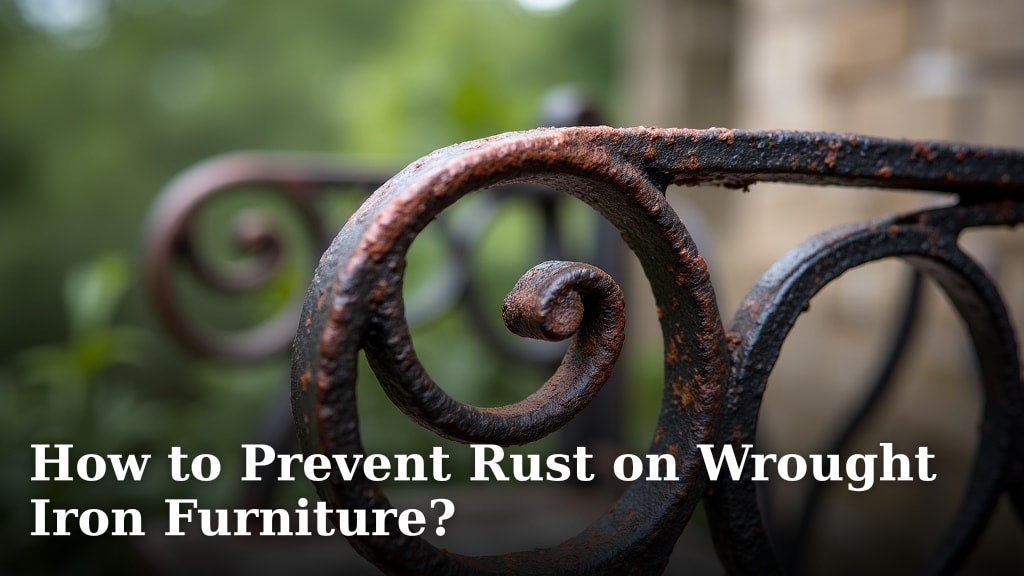
Metal furniture, especially iron and steel, is very susceptible to rust when exposed to rain. Rust weakens the structure and looks unsightly. It can turn your sturdy pieces into fragile ones.
Even aluminum can corrode, though it’s often called “white rust.” This dulls the finish and compromises the metal. It’s important to act fast when you see these signs (Environmental Protection Agency).
Mold and Mildew Growth
Moisture from rain creates the perfect breeding ground for mold and mildew. This is especially true for cushions, fabrics, and even wood. These fungi cause stains, odors, and can even pose health risks.
Have you ever noticed those black spots on your cushions after a rainy spell? That’s likely mildew starting to form. It’s not just an aesthetic problem; it breaks down fibers over time.
Wood Rot and Fading
Untreated wood can absorb water, leading to swelling, cracking, and eventually rot. UV rays combined with rain can also cause wood to fade and lose its natural color. For more care steps, see our guide to protecting wood patio furniture. This makes your furniture look old before its time.
Even treated wood isn’t immune. Constant exposure to moisture will still take its toll. We often hear from people whose wooden tables splinter after just a few seasons of neglect.
The Power of Patio Furniture Covers
Using waterproof covers is arguably the most effective way to protect furniture from rain. It’s like putting a raincoat on your outdoor pieces. This simple step can save you a lot of grief.
Not all covers are created equal, though. You need to pick the right kind for maximum protection. Think of it as a custom fit versus a one-size-fits-all solution.
Choosing the Right Material
When selecting covers, look for materials that are truly waterproof, not just water-resistant. Polyester with a PVC or polyurethane backing is a popular choice. It repels water effectively.
Breathable fabrics are also important. They prevent moisture from getting trapped underneath, which could lead to condensation and mold. We found that covers with vents work best for airflow.
- Look for heavy-duty polyester.
- Ensure it has a waterproof coating (PVC or polyurethane).
- Check for built-in vents to prevent condensation.
- Consider UV-resistant options for sun protection too.
Proper Cover Fit and Securing
A cover is only as good as its fit. It should fit snugly without being too tight or too loose. Too tight, and it might tear; too loose, and wind can blow it off or create puddles.
Many covers come with elastic hems, buckles, or drawstrings. Make sure to use them! Securing your covers prevents them from flapping around in the wind or being completely removed during a storm.
Smart Storage Solutions for Rainy Days
Sometimes, covers aren’t enough, or you just want extra peace of mind. That’s where smart storage comes in. It’s about getting sensitive items out of harm’s way entirely.
This is especially true for cushions and other fabric items. You wouldn’t leave your indoor pillows out in the rain, would you? The same logic applies outdoors.
Bringing Cushions Indoors
This is probably the simplest and most overlooked step. Always bring cushions indoors when rain is expected. They are incredibly vulnerable to water damage, mold, and fading.
If you don’t have space inside, consider a waterproof deck box. These boxes are designed to keep things dry and easily accessible. It’s a convenient solution for quick stowing.
Using Storage Boxes and Sheds
For smaller items or even entire sets of furniture if they’re foldable, a storage shed or a large outdoor storage box can be a lifesaver. These provide complete protection from all elements.
Think about how often you use certain pieces. If it’s not daily, putting them away might be best. It’s less hassle than constantly covering and uncovering larger items.
Selecting Weather-Resistant Furniture Materials
The best defense starts with your initial purchase. Choosing materials that naturally stand up to rain can reduce your maintenance effort significantly. It’s about being proactive.
While no material is completely indestructible, some are far more resilient than others. This choice impacts how much time you’ll spend protecting your investment.
| Material Type | Rain Resistance | Key Considerations |
|---|---|---|
| Aluminum | Excellent (rust-proof) | Lightweight, may get scratched. |
| Wrought Iron | Poor (rusts easily) | Heavy, needs regular sealing/painting. |
| Teak Wood | Excellent (natural oils) | Expensive, requires occasional oiling. |
| Plastic/Resin | Excellent (waterproof) | Can fade in sun, less sturdy. |
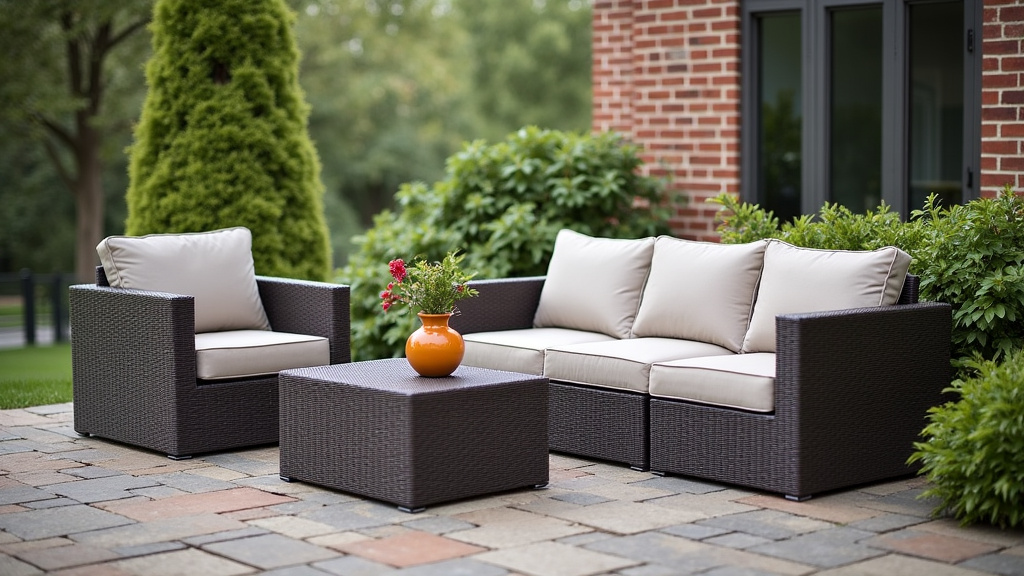
| Synthetic Wicker | Very Good (weatherproof) | Durable, requires cushion protection. |
Regular Maintenance and Upkeep
Protection isn’t a one-time task; it’s an ongoing commitment. Regular cleaning and maintenance make a huge difference in your furniture’s lifespan. A little effort goes a long way.
Think of it like car maintenance. You wouldn’t skip oil changes and expect your car to run forever, right? Your patio furniture needs similar attention.
Cleaning Before Covering
Always clean your furniture thoroughly before putting covers on, especially for long periods. Any dirt, pollen, or moisture trapped under the cover can lead to mold and mildew.
A simple wipe-down with mild soap and water usually does the trick. Make sure everything is completely dry before covering. This step is often forgotten but it’s really important (Good Housekeeping).
Applying Sealants and Treatments
For wood furniture, applying a water-repellent sealant or stain can create an extra barrier against moisture. This should be done annually or as recommended by the product.
Metal furniture can benefit from rust-inhibiting paints or waxes. These layers add another shield, especially for pieces that can’t be easily covered or stored. Always follow manufacturer guidelines.
Quick Checklist for Rainy Weather Preparedness
To make sure you’re always ready, here’s a quick action list. Going through these steps will keep your furniture happy, even when the skies are gray.
It’s about creating a routine that becomes second nature. You’ll thank yourself later when your furniture still looks new after years of use.
- Check local weather forecasts regularly for rain.
- Ensure all furniture covers are clean, dry, and ready to use.
- Bring all cushions and fabric items indoors or into a storage box.
- Secure furniture covers tightly with straps or buckles.
- Tilt chairs or tables slightly to prevent water pooling on surfaces.
- Inspect furniture for any existing damage (e.g., rust spots) and address them.
Additional Tips for Ultimate Protection
Beyond the basics, a few extra habits can boost your protection efforts. These small actions contribute to the overall longevity and appearance of your outdoor setup.
We’ve found these tips make a big difference for people living in really rainy climates. Every little bit of care helps ward off the elements.
Angle Your Furniture
When rain is expected, try to angle your chairs and tables slightly. This allows water to run off instead of pooling on flat surfaces. Pooled water can seep into cracks or stretch covers.
Some people even use small blocks or risers under one side of furniture legs. It’s a simple trick that helps with drainage. This reduces standing water and potential damage.
Consider Drainage
Think about the area where your furniture sits. Does it drain well? If water tends to pool on your patio, this could be a bigger issue than just the rain itself. Proper patio drainage prevents prolonged exposure to standing water.
You might consider adding drainage solutions if you have persistent puddling. Even a slight slope can make a huge difference in keeping your furniture’s feet dry and safe from constant moisture contact.
Conclusion
You now have all the tools to keep your patio furniture safe from rain. By consistently using waterproof covers, storing cushions, and performing regular maintenance, you’ll significantly extend its life. This proactive approach saves you money and preserves your outdoor haven for years to come.
Make these tips part of your routine. You’ll enjoy a beautiful, durable patio set, no matter the weather. Start protecting your investment today.
Frequently Asked Questions
Is “water resistant” enough for patio furniture covers?
No, “water resistant” is generally not enough for consistent rain protection. Water-resistant materials can repel some moisture, but they will eventually soak through. For true defense against rain, always look for “waterproof” covers.
Can I leave my patio cushions out if they’re waterproof?
Even waterproof cushions are best stored indoors or in a sealed storage box when rain is expected. While they won’t absorb water, prolonged exposure can still lead to mildew growth on the surface or compromise the internal filling over time. Bringing them in also prevents sun fading.
How often should I reapply sealant to wooden patio furniture?
We recommend reapplying sealant to wooden patio furniture annually. For wood-specific protection, see our guide to protecting teak patio furniture. However, this can vary based on your climate and the specific product you use. Always check the manufacturer’s instructions for the best guidance on frequency.
Will covering my furniture cause mold if it’s not completely dry?
Yes, covering damp furniture can definitely lead to mold and mildew. Trapped moisture creates the perfect environment for fungi to grow. Always ensure your furniture is completely dry before applying covers for any extended period.
What’s the best way to clean mold off patio furniture?
For most patio furniture, a solution of mild soap and water with a soft brush works well for surface mold. For stubborn spots, a diluted bleach solution (one part bleach to four parts water) can be effective. Always test any cleaning solution on an inconspicuous area first.