How To Protect Wood Patio Furniture?
On this page (7 sections)
To protect wood patio furniture, regularly clean it, apply a suitable sealant or oil, and use furniture covers when not in use. Proper care extends its life and keeps it looking great outdoors.
Maintaining your wood furniture is easier than you might think, starting with a few simple steps. You can prevent common damage like fading, cracking, and rot with consistent effort.
- Regular cleaning prevents dirt buildup and damage.
- Applying a protective finish like oil or sealant is key to weatherproofing.
- Always cover your furniture or move it indoors during harsh weather.
- Elevate furniture off wet ground to prevent moisture absorption.
- Store wood furniture properly during off-seasons to avoid extreme conditions.
How To Protect Wood Patio Furniture?
Protecting wood patio furniture involves routine cleaning, applying a weather-resistant finish, and covering it during periods of non-use or harsh weather. These steps work together to shield your furniture from the elements.
Why Protect Your Wood Patio Furniture?
Imagine your beautiful wooden table turning grey, cracking, or even getting moldy. This is a common fate for untreated patio furniture. Protecting it means preserving its beauty and functionality for years.
We found that regular maintenance saves you money in the long run. Replacing furniture is expensive, so a little prevention goes a long way. Think of it as an investment in your outdoor living space.
Understanding Wood’s Vulnerabilities
Wood is a natural material, and like us, it reacts to its environment. Sunlight fades its color, rain causes swelling and rot, and temperature changes lead to cracks. It needs a shield against these daily challenges.
Humidity and moisture are particularly harsh on wood. They can lead to mildew and even structural damage. Keeping wood dry and treated is essential for its longevity (USDA Forest Products Laboratory).
Essential Protection Steps You Can Take Today
Ready to make a difference? You can start with these immediate actions. They are quick, effective, and will visibly improve your furniture’s condition.
Cleaning Your Furniture Regularly
Dirt, pollen, and debris settle on your furniture daily. A quick clean prevents them from becoming embedded. Dusting and wiping down are simple but effective first steps.
Many experts say a gentle cleaning every few weeks is ideal. This stops grime from building up and causing discoloration. It also prepares the wood for other treatments.
Gentle Cleaning Method
To clean, use a soft cloth, warm water, and a mild soap. Wipe thoroughly, then rinse with clean water to remove soap residue. Always allow the furniture to air dry completely before moving on.
Avoid harsh chemical cleaners, as they can strip natural oils from the wood. A simple solution works best for maintaining the wood’s integrity. Remember, less is often more with wood care.
Applying a Protective Finish
This is arguably the most important step for long-term protection. A good finish acts like sunscreen and a raincoat for your wood. It seals the wood, repelling water and UV rays. You’ll want to reapply this periodically.
Types of Wood Finishes
Choosing the right finish depends on your wood type and desired look. Here’s a quick guide to help you decide:
| Finish Type | Benefits | Application |
|---|---|---|
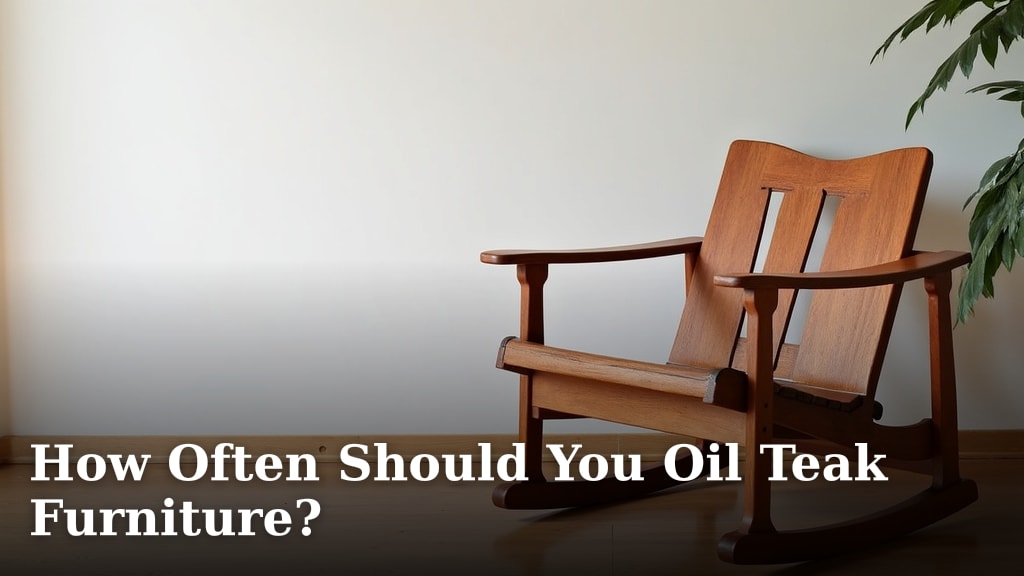
| Wood Oil (e.g., Teak Oil) | Enhances natural grain, nourishes wood, repels water. | Wipe on with a cloth, reapply every 6-12 months. |
| Wood Sealant | Creates a protective barrier, UV resistant, prevents moisture. | Brush or spray on, lasts 1-3 years depending on product. |
| Varnish/Polyurethane | Durable, high-gloss or satin finish, strong protection. | Brush on, multiple coats recommended, lasts several years. |
Research suggests that oil finishes are excellent for maintaining the wood’s natural feel. Sealants and varnishes offer a harder, more robust barrier. Consider your wood type and local climate.
Covering Your Furniture
Think of furniture covers as a blanket for your wood. They shield against rain, sun, dust, and even bird droppings. When not in use, a good cover offers immediate and effective protection. Look for covers that are waterproof and breathable.
Even for short periods, a cover can make a big difference. Many experts recommend covering furniture overnight or during unexpected storms. This simple act adds years to its life.
Strategic Placement Matters
Where you place your furniture can greatly impact its condition. Try to position pieces under an awning, umbrella, or partial shade. This reduces direct exposure to harsh sunlight. Minor adjustments can yield big results.
Also, keep furniture slightly elevated off the ground if possible. This prevents constant contact with damp surfaces. Risers or glides can help prevent moisture absorption from below.
Year-Round Care and Maintenance
Caring for your furniture is an ongoing conversation. Like tending a garden, consistent effort keeps things thriving. A little bit of attention throughout the year prevents major headaches. What are your furniture’s needs in each season?
Seasonal Maintenance Tips
In spring, give it a thorough cleaning and reapply any needed finish. Summer means more frequent dusting and covering. Fall is about preparing for colder weather. This seasonal rotation ensures continuous protection and care.
Winter often calls for proper storage, which we’ll cover next. Each season brings different challenges, and a proactive approach minimizes damage. Don’t let your wood furniture feel neglected!
Dealing with Mildew and Mold
If you spot black spots or a fuzzy green layer, you have mildew or mold. Act quickly to stop its spread. A solution of water and white vinegar (50/50) often works wonders. Gently scrub, rinse, and let it dry. Many guidelines point to immediate action as a good first step (CDC).
Preventing mold is easier than removing it. Ensure your furniture gets enough air circulation and isn’t stored in damp, dark places. Good airflow is a natural defense against fungi.
Addressing Scratches and Dents
Accidents happen, even with the best care. Small scratches can often be buffed out with fine-grit sandpaper, following the grain of the wood. Deeper dents might need wood filler. Always reapply finish to the repaired area. This keeps your furniture looking its best.
For minor scrapes, sometimes a furniture touch-up pen or a bit of matching stain can work wonders. Remember to test any product on an inconspicuous area first. You want a seamless repair, not a bigger issue.
Winterizing Your Wood Patio Furniture
As temperatures drop, wood needs extra attention. Freezing and thawing cycles can cause significant damage. Proper winterizing is like putting your furniture to sleep for a few months. It’s a key step to ensure it wakes up refreshed in spring.
Proper Storage Solutions
The best place for wood furniture in winter is indoors. A garage, shed, or basement is ideal. If indoor storage isn’t an option, use high-quality, breathable covers. Elevate the furniture off concrete floors to prevent moisture wicking. Research often connects dry, stable environments with wood preservation (NIH).
Even a covered patio can be too harsh for some woods during winter. Extreme cold and humidity are major culprits for cracking and warping. Making space indoors, even in a corner, protects your items better.
Quick Protection Checklist
Before you know it, you’ll be a pro at protecting your wood furniture. Here’s a quick reminder of the key steps:
- Clean regularly: Use mild soap and water.
- Apply a finish: Choose oil, sealant, or varnish.
- Use covers: Especially during bad weather or non-use.
- Strategic placement: Seek shade, elevate off ground.
- Winterize: Store indoors or cover well for cold months.
- Inspect often: Catch small issues before they grow.
Conclusion
Protecting your wood patio furniture is a rewarding effort. It’s about more than just keeping it looking nice; it’s about extending its life and enjoying your outdoor space fully. With regular cleaning, proper finishing, and smart storage, your beautiful wood pieces will stand the test of time and weather. Now you have the tools to keep your patio furniture as inviting as the day you got it. Isn’t that a great feeling?
What kind of finish is best for teak wood?
For teak wood, many experts recommend using teak oil or a specialized penetrating oil. These oils help replenish the natural oils in the wood, maintaining its rich color and inherent resistance to moisture. It’s often preferred over varnishes to preserve teak’s unique texture.
How often should I reapply a wood sealant to my patio furniture?
The frequency of reapplication depends on the product and your local climate, but generally, wood sealants should be reapplied every one to three years. Areas with harsh sun exposure or heavy rain may require more frequent application to maintain optimal protection.
Can I leave my wood patio furniture out in the rain if it’s treated?
While treated wood furniture offers better resistance, it’s not ideal to leave it continually exposed to heavy rain. Over time, constant moisture can still degrade the finish and the wood itself. Using a furniture cover during rain or moving it to a sheltered area is always the best practice.
How do I prevent my wood patio furniture from fading in the sun?
To prevent fading, use a protective finish that contains UV inhibitors, such as certain sealants or varnishes. Additionally, position your furniture in shaded areas or use furniture covers when it’s not in use, especially during the sunniest parts of the day. UV rays are the primary cause of wood discoloration.
Is it okay to store wood patio furniture directly on a concrete floor in winter?
No, it’s generally not recommended to store wood patio furniture directly on a concrete floor, especially in winter. Concrete can wick moisture, which the wood can absorb, potentially leading to mold, mildew, or warping. Always elevate the furniture using blocks, pallets, or furniture glides to allow for air circulation and prevent direct contact with the cold, damp surface.