How To Keep Patio Furniture From Rusting?
On this page (9 sections)
To keep patio furniture from rusting, you should regularly clean and dry it, apply protective coatings like wax or rust-inhibiting paint, and always cover it when not in use or during bad weather.
Preventing rust on your outdoor pieces involves choosing rust-resistant materials initially, maintaining them properly, and ensuring they stay dry and shielded from harsh elements.
- Regularly clean and dry your patio furniture to remove moisture and dirt.
- Apply a rust-inhibiting primer and paint, especially on metal pieces.
- Use protective covers or store furniture indoors during harsh weather.
- Check for existing rust and treat it promptly to stop it from spreading.
- Consider furniture made from aluminum, plastic, or treated wood for natural resistance.
How To Keep Patio Furniture From Rusting?
Keeping your patio furniture safe from rust means you need a combination of proactive steps and good maintenance. It’s like safeguarding a valuable investment against the elements.
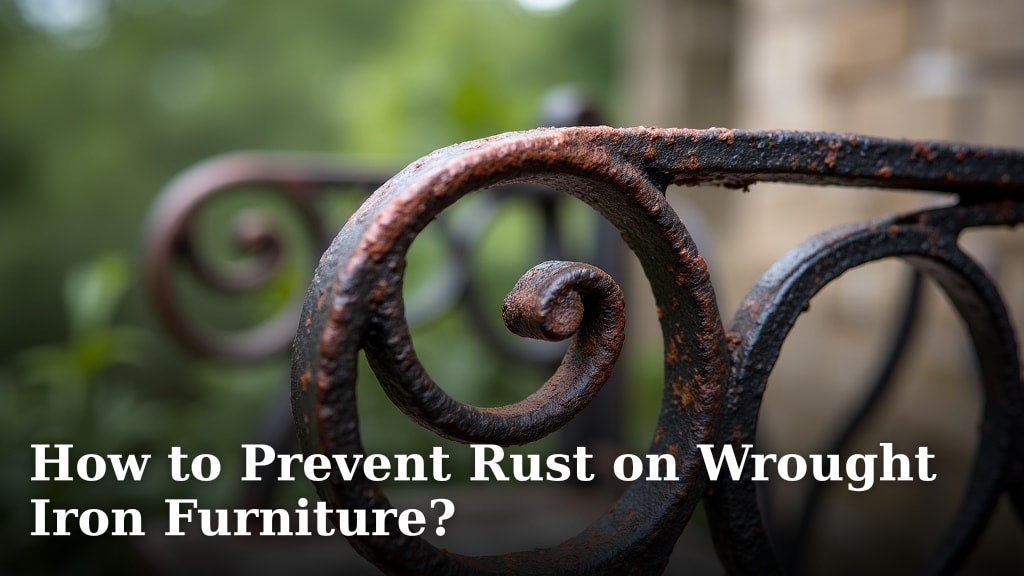
You’ve probably seen that tell-tale reddish-brown stain on outdoor metal pieces, a clear sign of rust. This process, called oxidation, happens when iron or steel reacts with oxygen and water, creating iron oxide. It weakens the metal and ruins its look.
Understanding Why Patio Furniture Rains
Rust isn’t just an eyesore; it can also make your furniture unsafe and reduce its lifespan. Imagine a beautiful metal chair becoming brittle or having sharp flakes.
The main culprits are moisture, oxygen, and salt, especially in coastal areas. Even humidity contributes to this slow decay, so understanding these factors is your first line of defense.
Choose the Right Materials First
When you’re shopping for new patio furniture, material selection is crucial. Some materials naturally resist rust better than others. This initial choice saves you a lot of effort later.
Aluminum Furniture
Aluminum is naturally rust-resistant because it forms a thin, protective oxide layer when exposed to air. We found that it’s a top choice for durability without heavy maintenance (NACE International).
Wrought Iron and Steel
These metals are beautiful and strong but are highly susceptible to rust. If you choose them, be ready for more consistent protective measures. They need a robust shield from day one.
Other Rust-Resistant Options
Consider synthetic wicker, plastic, teak, or cedar. These materials offer great aesthetics and require less anti-rust treatment. They might be perfect if you seek a low-maintenance option.
Apply Protective Coatings and Treatments
Think of protective coatings as an invisible shield for your furniture. Applying these can dramatically extend the life of your metal pieces, creating a barrier against moisture.
Rust-Inhibiting Primers
Before painting any metal furniture, especially steel or iron, a rust-inhibiting primer is essential. It bonds with the metal and blocks oxygen and moisture. Many experts say this step is non-negotiable for lasting protection.
Outdoor-Grade Paints
Once primed, use a high-quality, outdoor-grade paint. These paints are designed to withstand UV rays and moisture, providing an additional layer of protection. Look for paints labeled as “weather-resistant” or “for outdoor use.”
Clear Sealants and Waxes
For furniture you don’t want to paint, clear sealants or car wax can offer a good barrier. Apply a wax coating every few months to create a slick surface where water simply beads off. This simple act repels water effectively.
Regular Cleaning and Drying Habits
It sounds basic, but keeping your furniture clean and dry is one of the most effective rust prevention strategies. Water is rust’s best friend, after all.
Wipe Down After Rain
After a rain shower, make it a habit to wipe down any metal surfaces. For more on preventing metal rust, see our related guide. Don’t let puddles sit on your tables or chairs. A quick dry can make a huge difference in preventing rust spots.
Routine Cleaning with Mild Soap
Regularly clean your furniture with mild soap and water. Dirt and grime can trap moisture, creating prime conditions for rust. We found that a gentle scrub and rinse is usually enough.
Strategic Use of Furniture Covers
Furniture covers are your furniture’s raincoats and umbrellas. They are an incredibly effective way to protect your pieces when not in use.
Choosing the Right Cover
Invest in covers made from breathable, waterproof material. Ensure they fit snugly but allow some airflow to prevent condensation underneath. A good cover should repel water and block UV rays.
When to Cover Your Furniture
Always cover your furniture during rainy seasons, snow, or even extended periods of high humidity. If you live in an area with harsh winters, covering it is absolutely essential.
Dealing with Existing Rust
So, you’ve spotted a little rust? Don’t panic! Early intervention can save your furniture from further damage. It’s like catching a small cold before it becomes serious.
Rust Removal Techniques
For small spots, a wire brush or sandpaper can gently remove the rust. For larger areas, you might need a rust converter or a chemical rust remover. Always follow product instructions carefully.
Here’s a quick comparison of rust removal methods:
| Method | Best For | Pros | Cons |
|---|---|---|---|
| Wire Brush/Sandpaper | Small, surface rust | Low cost, easy to use | Labor-intensive, can scratch |
| Rust Converter | Moderate rust | Converts rust into a protective layer | Requires paint afterward, chemical handling |
| Chemical Rust Remover | Heavy rust | Highly effective | Strong chemicals, requires caution |
Repair and Repaint
After removing the rust, clean the area thoroughly, apply a rust-inhibiting primer, and then repaint with outdoor-grade paint. Steel furniture may need this rust protection. This seals the surface and prevents rust from returning to that spot.
Smart Storage Solutions
When the season changes or you won’t use your patio for a long time, proper storage is your best friend. This takes your furniture out of harm’s way.
Indoor Storage Options
Storing furniture indoors, like in a garage, shed, or basement, is the best option for long-term protection. This removes it completely from the elements.
Elevate Furniture Off the Ground
If you must store furniture outdoors, elevate it slightly off the ground. This prevents it from sitting in puddles or absorbing ground moisture. Even a small lift can prevent significant problems.
Practical Checklist for Rust Prevention
Keeping track of all these tips can feel like a lot. Here’s a simple checklist to guide you in protecting your outdoor haven.
- Choose rust-resistant materials (aluminum, plastic).
- Apply rust-inhibiting primer to metal.
- Use outdoor-grade paint or clear sealants.
- Wipe furniture dry after rain.
- Clean regularly with mild soap and water.
- Invest in breathable, waterproof furniture covers.
- Store furniture indoors or elevate it for winter.
- Inspect furniture periodically for early signs of rust.
- Treat any rust immediately upon discovery.
Conclusion
Keeping your patio furniture from rusting isn’t a one-time fix; it’s an ongoing commitment to smart choices and consistent care. By selecting the right materials, applying protective coatings, practicing regular cleaning, and using covers or proper storage, you can ensure your outdoor oasis remains beautiful and functional for many years. Think of it as investing a little time now to enjoy your space without worry later.
How often should I reapply rust-proofing treatments?
Generally, you should inspect your patio furniture annually. For painted surfaces, reapplying a topcoat every 2-3 years, or as soon as you notice chips or fading, is a good practice. Clear sealants or waxes might need reapplication every 3-6 months, especially if your furniture is exposed to harsh weather.
Can I paint rusty patio furniture directly?
No, you should not paint directly over rust. The rust needs to be removed first, or converted into a stable surface using a rust converter. Painting over rust will trap the corrosion underneath, allowing it to continue spreading and eventually cause the new paint to chip and peel.
Are all metal patio furniture prone to rust?
No, not all metal patio furniture is equally prone to rust. While iron and steel are highly susceptible, aluminum is naturally rust-resistant. Stainless steel also offers good resistance but can still develop “surface rust” or discoloration under certain harsh conditions.
What’s the best way to clean outdoor furniture without damaging its finish?
The best way to clean most outdoor furniture is with warm water and a mild dish soap. Use a soft cloth or sponge to gently wipe down surfaces. Rinse thoroughly with clean water and dry immediately with another soft cloth to prevent water spots and rust initiation, particularly on metal parts.
Does humidity contribute to patio furniture rusting?
Yes, high humidity can significantly contribute to patio furniture rusting, even without direct rain exposure. The moisture in the air provides the necessary water component for the oxidation process, especially for iron and steel. This is why good airflow and covers are important in humid climates.