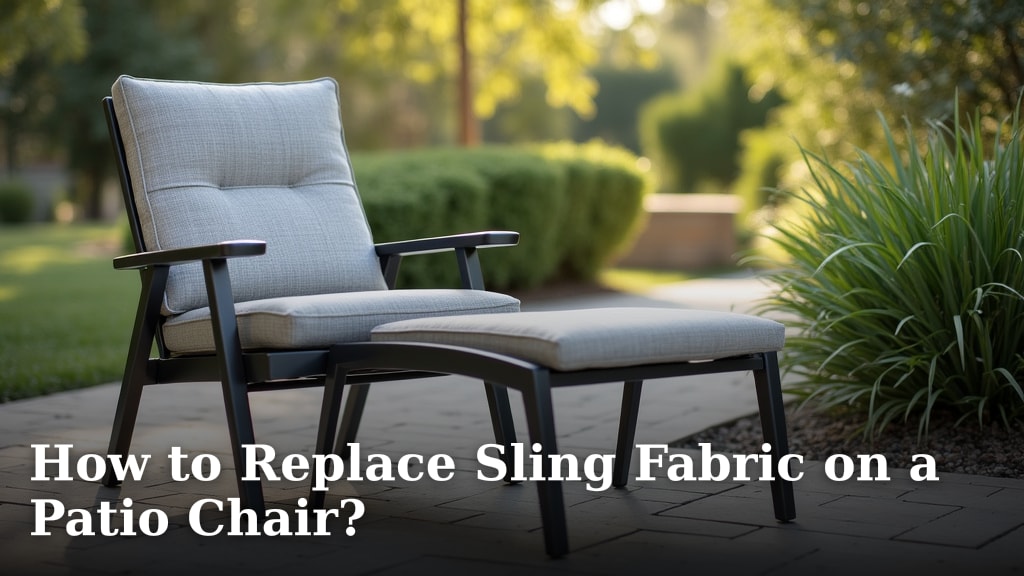
How To Fix Plastic Straps On Patio Chairs?
Fixing plastic straps on patio chairs typically involves either patio furniture straps, replacing individual broken ones, or completely re-strapping the chair with new material.
You can mend damaged plastic straps by using repair kits, heating and molding them back, or securing them with specialized fasteners, often found at home improvement stores.
-
Assess the damage first: Determine if straps are broken, stretched, or just loose.
-
Choose the right repair method: Re-weaving, individual strap replacement, or full re-strapping are common options.
-
Gather necessary tools: Scissors, measuring tape, and a heat gun are often required.
-
Source quality replacement straps: Look for UV-resistant vinyl or PVC for durability.
-
Follow step-by-step instructions: Proper technique ensures a lasting and secure repair.
How To Fix Plastic Straps On Patio Chairs?
You can typically fix plastic patio chair straps by replacing the damaged sections or re-weaving them, which restores both function and appearance.
Understanding Your Patio Chair Straps
Before jumping into fixes, it helps to know your strap type. Most patio chairs use vinyl or PVC strapping, which can be flat or tubular. These materials are chosen for their outdoor resilience.
Over time, sun exposure, weather changes, and general wear can cause these straps to crack, stretch, or break. Recognizing this damage is your first step to a successful repair.
Assessing the Damage: Is It Fixable?
Take a close look at your chair. Are a few straps just loose or completely broken? Maybe they are simply discolored? Minor damage is often easier to fix than widespread deterioration.
If only one or two straps are stretched or have small cracks, you might get away with a simple repair. If many are brittle, replacing them all might be a smarter long-term solution (Outdoor Living Research).
When a Simple Fix Works
For minor issues, like a strap slipping out of its groove, you might just need to re-thread it. If it’s slightly stretched, re-tensioning can often work wonders. This saves you time and money.
Tiny cracks can sometimes be sealed with specific adhesive, though this is often a temporary solution at best. We found that these small fixes are great for extending immediate use.
When to Replace Instead of Repair
If straps are brittle, extensively cracked, or multiple ones are broken, replacement is usually the better choice. We found that trying to patch many failing straps is rarely worth the effort.
Replacing straps ensures your chair is safe and comfortable again. It also offers a chance to refresh its look. Sometimes, a full overhaul is the most efficient path forward.
Gathering Your Repair Tools and Materials
You won’t need a whole workshop to fix your chairs, but a few items will be helpful. Having the right tools makes the job much smoother and produces a better result.
Essential Tools for Strap Repair
-
Heat Gun or Boiling Water: For softening vinyl straps for easier manipulation. This is crucial for flexibility.
-
Measuring Tape: To get accurate lengths for new straps. Measure twice, cut once, right?
-
Scissors or Utility Knife: For cutting old and new straps cleanly. Sharp tools are always safer.
-
Screwdriver or Pliers: To remove any existing fasteners or clips. They are great for prying.
-
Marker: For marking cut points on new straps. A simple pen works fine.
Sourcing Quality Replacement Straps
You’ll need new vinyl or PVC strapping. Look for UV-resistant materials designed for outdoor use. These are less likely to degrade quickly in the sun.
Many home improvement stores or online retailers sell replacement strapping by the roll or in pre-cut lengths. Measure the width of your old straps to ensure a perfect fit.
Step-by-Step: Re-Weaving a Loose Strap
Sometimes, a strap just pops out of its channel. This is often an easy fix and doesn’t require replacing anything.
First, clean the strap and the chair frame opening. Then, use a heat gun or immerse the strap end in hot water for a minute to make it pliable. This helps it slip back into place without damage.
Carefully guide the softened strap end back into the slot on the chair frame. As it cools, it will tighten up. Many DIY guides recommend this simple trick for quick adjustments (Patio Furniture Fixers).
Replacing Individual Damaged Straps
If only a few straps are beyond re-weaving, you can replace plastic chair straps. This approach saves time and money if the majority of your straps are fine.
Removing the Old Strap
Carefully unclip or cut the old, broken strap from its attachment points. Sometimes, you’ll need to pry open a crimp or unscrew a fastener. Make sure to remove all remnants of the old strap.
Observe how the strap was originally attached. This will help you replicate the method for the new one. Taking a quick photo can be a handy reference.
Measuring and Cutting New Straps
Measure the length of the old strap, including any parts tucked into the frame. Add an extra few inches for tensioning and attachment. We found that adding about 4-6 inches extra often works well.
Cut your new strap to this measured length. Be precise here; you want enough material to work with but not so much that it’s unwieldy. Clean, straight cuts are always best.
Attaching the New Strap
Heat one end of the new strap until it’s pliable. Insert it into the chair frame slot and secure it according to the chair’s original design. This might involve crimping a clip or using a screw. Always ensure a secure anchor.
Now, stretch the strap across the chair frame to the opposite attachment point. Heat the other end and secure it. You’ll want to pull it taut to achieve proper tension. It should feel firm, not loose.
Full Re-Strapping Your Patio Chair
When most straps are failing, a restrap a patio chair offers a fresh start. This might seem like a big job, but it gives your chair a whole new lease on life.
First, remove all existing straps. Clean the chair frame thoroughly. This is a great chance to wash away any grime. You want a clean surface for new attachments.
Follow the individual strap replacement steps for each new strap. Work systematically, perhaps starting from one corner and moving across. Patience is a virtue here.
Temporary Fixes for Quick Solutions
Sometimes you need a fix right now, perhaps before guests arrive. While not permanent, these can get you by. Think of them as “band-aid” solutions.
| Temporary Fix Method | What You’ll Need | Pros | Cons |
|---|---|---|---|
| Duct Tape/Electrical Tape | Strong tape | Quick, easily available | Looks bad, short-lived, sticky residue |
| Zip Ties | Heavy-duty zip ties | Strong, holds well | Can look out of place, not comfortable |
| Fabric Patches (Glued) | Strong fabric, outdoor adhesive | Can blend in better | Needs drying time, might not hold well on vinyl |
For a cracked strap, try wrapping it tightly with electrical tape. It offers some support and keeps the strap together. However, it’s not aesthetically pleasing and won’t last long.
If a strap has completely broken, zip ties can temporarily hold it in place. Loop them around the frame and the broken strap ends. This provides immediate support, but often creates an uncomfortable bump.
Maintaining Your Patio Chair Straps
Once you’ve fixed your chairs, you’ll want to keep them looking good. Proper care extends their lifespan and reduces the need for future repairs.
Cleaning Tips for Longevity
Regularly clean your chair straps with mild soap and water. Use a soft brush to remove dirt and grime. Avoid harsh chemicals, which can damage the vinyl or PVC material.
Rinse thoroughly with clean water and let them air dry. This simple habit helps prevent mildew and discoloration, keeping your chairs fresh (Home & Garden Maintenance Guides).
Protecting From Sun and Weather
UV rays are a major culprit for strap deterioration. Consider moving chairs into shaded areas or using outdoor furniture covers when not in use. This protects them from prolonged sun exposure.
In colder months, storing chairs indoors or in a sheltered spot also helps prevent material from becoming brittle. We found that this small effort makes a huge difference.
Conclusion
Fixing plastic straps on your patio chairs is a rewarding DIY project that can significantly extend their life and refresh their appearance. Whether you’re re-weaving a loose strap, replacing a few broken ones, or undertaking a full re-strapping, the right tools and approach make all the difference. Remember to prioritize proper material, gather your supplies, and tackle each step patiently. With a bit of effort, your patio chairs will be ready to provide comfort and style for many more seasons.
Can I use any plastic for patio chair straps?
No, it’s best to use vinyl or PVC strapping specifically designed for outdoor furniture. These materials are formulated to be UV-resistant and withstand weather elements, unlike ordinary plastics that can become brittle and crack quickly.
How do I measure for new patio chair straps?
Measure an existing, intact strap from its attachment point to the other, making sure to account for any wrap-around sections. For a broken strap, measure the space it covered on the chair frame, then add 4-6 inches to each end for tensioning and secure attachment.
Do I need a heat gun to replace patio chair straps?
A heat gun or even very hot water is highly recommended. Heat makes the vinyl or PVC straps pliable, allowing you to stretch and attach them more easily and securely into the chair frame slots. Without heat, the material can be stiff and harder to work with.
How often should I replace patio chair straps?
The lifespan of patio chair straps varies widely based on material quality, sun exposure, and usage. Generally, quality vinyl straps can last 5-10 years or more. Inspect them annually; if you see widespread cracking, brittleness, or frequent breaks, it’s likely time for a full replacement.
What’s the trick to getting patio chair straps tight?
The trick is to heat the strap end, secure it firmly to one side, then stretch the warm, pliable strap across to the other side while pulling it taut before securing that second end. As the strap cools, it will contract slightly, creating a firm, comfortable tension across the chair.