How To Repair Vinyl Patio Chairs?
You can repair vinyl patio chairs by addressing common issues like torn slings, broken straps, or small punctures. Often, a simple patch kit, replacement strapping, or a new sling can bring your favorite outdoor seat back to life.
To repair vinyl patio chairs effectively, always clean the chair thoroughly first, assess the damage, and then choose the appropriate repair kit or replacement part for a lasting fix.
Here’s what you’ll find in this guide to fixing your vinyl patio chairs quickly:
- Learn to identify if your chair needs a simple patch or a full sling replacement.
- Discover the essential tools and materials for common vinyl chair repairs.
- Get step-by-step instructions for fixing rips, tears, and broken straps.
- Understand when it’s more sensible to repair your chair versus buying a new one.
- Find tips to keep your revitalized patio chairs looking great for years.
How To Repair Vinyl Patio Chairs?
Repairing vinyl patio chairs involves tackling wear and tear like tears, stretched slings, or broken straps. You can often make them sturdy and appealing again with the right supplies and a little effort.
Many common repairs are quite straightforward, saving you money and extending the life of your beloved outdoor furniture.
Why Do Vinyl Patio Chairs Break?
Vinyl patio chairs are tough, but they face a lot. Constant exposure to sun, rain, and temperature changes really takes a toll. UV rays can make the vinyl brittle and faded over time.
Regular use also causes stress on seams and attachment points. Heavy use and improper storage can speed up this wear, leading to visible damage sooner than expected.
Common Types of Damage
You’ll often see a few key issues with vinyl chairs. Slings can stretch, sag, or rip, making the chair uncomfortable. Straps might snap or lose their elasticity, causing a loss of support.
Sometimes, the vinyl frame or seat can develop small punctures or cracks. These problems are generally fixable, keeping your chairs functional for longer.
Gathering Your Repair Arsenal
Before you start any repair, it is wise to gather all your materials. This prevents interruptions and makes the whole process smoother. Think of it like cooking: you prep all your ingredients first.
Having everything ready ensures you can work efficiently. We found that a well-prepared workspace saves a lot of frustration.
Essential Tools You’ll Need
- Sharp Utility Knife or Scissors for precise cuts.
- Screwdriver Set to remove existing hardware.
- Drill with Bits for new rivet holes, if needed.
- Measuring Tape for accurate sizing of new materials.
- Strong Adhesive or Vinyl Cement for patching.
- Replacement Vinyl Straps or Sling Fabric specific to your chair.
- Rivets or Screws for reattaching components.
- Heavy-Duty Clamps to hold pieces during drying.
- Cleaning Supplies like soap and water.
Fixing Torn Vinyl Slings
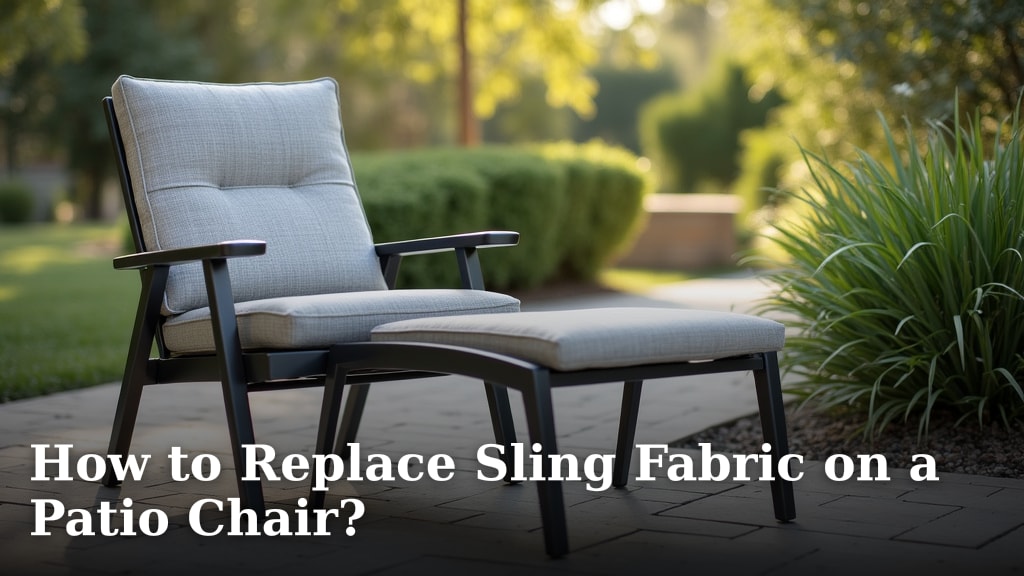
If your chair has a sling seat that’s torn or saggy, replacing it is often the best solution. A new sling can make your chair feel brand new. This repair typically addresses the most common comfort issue.
We found that replacing a sling is a popular DIY project for many homeowners, significantly improving chair appearance and function.
Removing the Old Sling
First, remove all screws or bolts holding the old sling in place. These are usually along the side rails of the chair frame. Carefully detach the old fabric from the frame.
Sometimes, you might need a flathead screwdriver to gently pry up the trim. Keep these old parts to use as a template for your new sling if possible.
Installing a New Sling
With the old sling removed, clean the chair frame thoroughly. Position your new sling fabric, ensuring it is centered and taut. You might need to stretch the fabric slightly to achieve a tight fit.
Attach the sling using the original hardware or new screws. Many experts suggest starting from the center and working your way out. This helps to eliminate wrinkles. Make sure the tension is even on both sides.
Mending Broken Vinyl Straps
Broken vinyl straps can be a real nuisance, but they are often quite simple to replace. Whether it’s one strap or many, you can restore your chair’s support and look. This is a common repair for older chairs.
New straps can revitalize the entire aesthetic, making the chair comfortable and safe again.
Replacing Individual Straps
For a single broken strap, first carefully remove the old strap and its fasteners. Measure the old strap precisely to cut your new vinyl strapping to the correct length. Don’t forget to account for wrapping around the frame.
Attach the new strap using specialized patio chair rivets or screws. We found that pre-drilling small pilot holes makes installation much easier. Make sure the strap is pulled taut before securing.
Re-weaving Multiple Straps
If many straps are broken, you might consider re-weaving the entire seat or back. This can be a bit more involved but is very rewarding. You’ll need a roll of new vinyl strapping.
Begin by securing one end of a strap, then weave it over and under the existing straps or around the frame. Keep the tension even as you go. Many experts suggest laying out your weaving pattern beforehand for the best results.
Patching Small Holes and Tears
Small punctures or tears don’t always mean a full replacement is needed. A good vinyl repair kit can often do the trick. These kits are perfect for minor damage, preventing it from spreading.
Timely patching can prevent small issues from becoming big, unmanageable problems. It is a quick and cost-effective fix.
Step-by-Step Patching
First, clean the damaged area very well with soap and water, then let it dry completely. Cut a patch from your repair kit that is slightly larger than the hole. Make sure the corners are rounded to prevent peeling.
Apply a thin, even layer of vinyl adhesive to the back of the patch. Press the patch firmly over the hole, smoothing out any air bubbles. Use a clamp or heavy object to hold it in place while it dries, usually for 24 hours (Home Improvement Experts).
When Is It Time for a New Chair?
Sometimes, a chair might be beyond simple repair. You might wonder if it’s worth the effort or money. Consider the extent of the damage versus the cost of a new chair. This decision can save you time and money in the long run.
A severely rusted frame, widespread cracks, or very brittle vinyl often point towards replacement. There’s a point where continued repairs become impractical.
Here’s a quick checklist to help you decide:
| Damage Severity | Repair Feasibility | Recommendation |
|---|---|---|
| Small tears, loose straps | High | Easily repairable with a kit. |
| Worn-out sling, few broken straps | Medium | Consider repair if frame is sound. |
| Extensive frame rust, brittle vinyl | Low | Likely needs replacement. |
| Cracked frame, structural instability | Very Low | Prioritize safety, replace chair. |
Keeping Your Vinyl Chairs Healthy
Preventative care is key to making your repairs last longer. A little maintenance goes a long way in extending the life of your patio furniture. Think of it as investing in their future comfort.
Simple habits can drastically reduce future repair needs. We found that regular attention keeps chairs looking great for seasons.
Routine Cleaning Tips
Regular cleaning prevents dirt and grime buildup, which can degrade vinyl over time. Use a mild soap and water solution with a soft brush or cloth. Rinse thoroughly and let air dry.
Avoid harsh chemicals or abrasive cleaners, as these can damage the vinyl finish. Many experts say a quick wipe-down after each use helps maintain their appearance.
Winter Storage Advice
Storing your vinyl chairs properly in colder months is essential. If possible, bring them indoors or into a sheltered area like a garage or shed. This protects them from harsh winter elements.
If indoor storage isn’t an option, use waterproof patio furniture covers. Make sure chairs are completely dry before covering. This prevents mildew and freezing damage, preserving your chairs until spring.
Conclusion
Repairing your vinyl patio chairs is a rewarding project that can save you money and keep your outdoor space looking fantastic. From patching small tears to replacing entire slings, many common problems have straightforward solutions. Remember to assess the damage carefully, gather the right tools, and work patiently.
With a little care and attention, your favorite patio chairs can provide comfort and style for many more seasons. Don’t let a small tear or broken strap send a good chair to the landfill; give it a new lease on life.
How do I prevent my vinyl patio chairs from getting damaged?
You can prevent damage by regularly cleaning your chairs, avoiding harsh chemicals, and storing them indoors or under covers during extreme weather. Applying a UV protectant spray can also help shield the vinyl from sun damage.
What kind of adhesive is best for vinyl chair repairs?
For most vinyl chair repairs, a specialized vinyl adhesive or vinyl cement is best. These glues are formulated to bond specifically with vinyl, offering strong, flexible, and weather-resistant results that last longer outdoors.
Can I paint my vinyl patio chair to refresh its look?
Yes, you can paint vinyl patio chairs, but you need to use paint for vinyl straps specifically designed for plastics or outdoor furniture. Proper cleaning and priming are essential for the paint to adhere well and prevent peeling or flaking over time.
Is it difficult to replace chair slings myself?
Replacing chair slings can be a moderate DIY project. It requires some measuring, cutting, and stretching, but it’s very doable for most homeowners with basic tools. There are many online tutorials available to guide you through the process.
Where can I find replacement parts for my vinyl patio chairs?
You can often find replacement parts like vinyl strapping, sling fabric, and fasteners at home improvement stores, specialty patio furniture stores, or online retailers. Many companies also offer universal kits that fit a variety of chair styles.