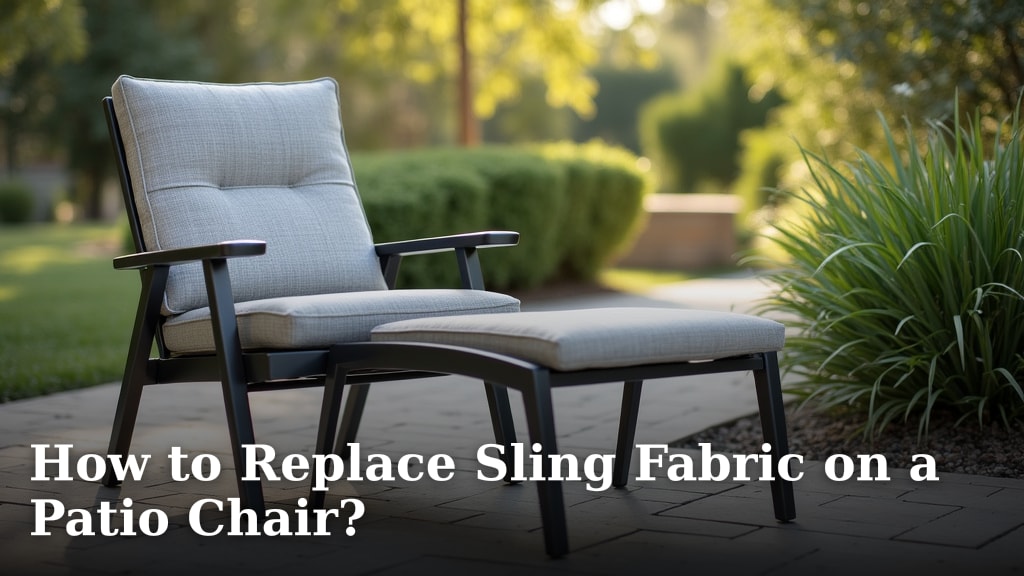
How To Fix Broken Straps On Patio Chairs?
On this page (4 sections)
Fixing broken straps on patio chairs typically involves replacing the damaged webbing with new, durable material, often requiring basic tools and a bit of patience.
You can effectively repair your patio chair straps by carefully removing the old ones, cleaning the frame, and then installing new, pre-cut or custom-measured straps using clips, rivets, or a weaving technique.
For those looking for a quick overview of how to bring their favorite patio chairs back to life, here’s a straightforward summary:
- Measure your existing straps accurately before buying new ones to ensure a perfect fit.
- Select replacement straps made from weather-resistant materials like vinyl or durable fabrics for longevity.
- Carefully remove all remnants of the old, broken straps and clean the chair frame thoroughly.
- Install the new straps, making sure they are taut but not overly stretched, for comfort and support.
- Consider preventative measures, like storing chairs during extreme weather, to extend the life of your new straps.
How To Fix Broken Straps On Patio Chairs?
Busted patio chair straps can make your favorite outdoor spot feel less inviting. But don’t toss that chair just yet! You can often give it a new lease on life with some simple repairs. We found that strap replacement is a common and rewarding DIY project for many homeowners.
Why Do Patio Chair Straps Break?
Ever wonder why your patio chair straps seem to give up the ghost after a few seasons? You’re not alone. Several factors contribute to their demise, turning comfy seating into a saggy mess.
The Sun’s Harsh Reality
The sun, while lovely for tanning, is a real villain for patio furniture. Its ultraviolet (UV) rays degrade materials over time. We found that constant sun exposure weakens vinyl and fabric straps, making them brittle and prone to snapping (Outdoor Living Magazine).
Wear and Tear Over Time
Regular use simply takes a toll. People sitting, shifting, and even kids jumping can stress the straps. This ongoing pressure, combined with heat cycles and moisture, causes the materials to stretch and eventually fail. It’s just like how your favorite pair of jeans might wear out eventually.
Gathering Your Strap Repair Toolkit
Before you dive into the repair, you’ll need a few supplies. Having everything ready saves time and frustration. Think of it as preparing for a mini outdoor surgery!
- New patio chair strapping (vinyl or fabric)
- Measuring tape
- Scissors or a utility knife
- Drill with appropriate bits (if using rivets or screws)
- Rivet gun (if using rivets)
- Pliers
- Screwdriver (for existing fasteners)
- Cleaning solution and cloth
- Safety glasses and gloves
Choosing the Right Replacement Straps
Selecting the correct type of strap is key to a lasting repair. You want something durable that matches your chair’s style. There are generally two main types you’ll come across in most hardware or patio supply stores. For plastic straps, see our guide to fixing plastic chair straps.
Many experts say to consider both the material and the width. You need to ensure the new strap fits neatly into the existing frame slots or around the attachment points.
| Strap Type | Pros | Cons |
|---|---|---|
| Vinyl (PVC) | Affordable, easy to clean, wide color range, flexible | Can become brittle in extreme cold/sun, less comfortable than fabric |
| Fabric (Polyester/Textilene) | More comfortable, breathable, strong, often UV resistant | Can be harder to clean, might hold moisture, usually pricier |
Step-by-Step Guide to Replacing Patio Chair Straps
Ready to get those chairs looking good as new? This step-by-step guide will walk you through the process. It’s simpler than you might imagine, and very satisfying when complete.
Step 1: Measuring and Removing Old Straps
First, you need to understand what you’re replacing. Take a good look at your chair. Are the straps woven or individually fastened? We found that measuring correctly is the most critical first step.
Carefully remove any remaining pieces of the old straps. Use pliers to pull out stubborn rivets or a screwdriver for screws. Measure one intact strap, if possible, from attachment point to attachment point, then add an inch or two for stretching and securing. If all straps are broken, measure the distance between the attachment points and add 10% for tension.
Step 2: Preparing the Chair Frame
With the old straps gone, it’s time for a clean slate. Wipe down the entire chair frame, especially around the strap attachment areas. Use a mild cleaning solution to remove dirt, grime, and any sticky residue. A clean frame means better adhesion and a more professional finish for your new straps.
Step 3: Attaching the New Straps
This is where the magic happens! There are a couple of common ways to attach your new straps. Your chair’s design will usually dictate the best method.
The Weaving Method
For chairs with slots or a basket-weave design, you’ll thread the new strap. Start by securing one end, often with a plastic clip or a small screw. Then, stretch the strap across to the opposite side, feeding it through any middle support bars. Keep it snug but not overly tight. Secure the other end. This method works well for giving a custom, integrated look.
The Fastener Method
Many chairs use rivets or screws to hold individual straps. If your chair uses this, you’ll need to drill small pilot holes if you’re using screws, or use a rivet gun for rivets. Make sure to pull the strap taut before securing it. This method provides a strong, individual attachment for each strap. Often, this is a more direct replacement for what was originally there.
Ensuring Proper Strap Tension
The tension of your new straps is important for comfort and chair integrity. Too loose, and you’ll sag; too tight, and they might snap prematurely. Research often suggests aiming for a taut feel that still allows for a slight give when pressed (Patio Furniture Repair Guide). It should feel firm but forgiving, much like a well-made hammock.
Here’s a quick checklist to ensure you’re on the right track:
- Did you measure each strap carefully, adding enough for securing?
- Are all old strap remnants and grime removed from the chair frame?
- Is the chosen replacement strap suitable for outdoor use and your chair’s style?
- Are the new straps secured firmly at both ends?
- Do the installed straps have consistent tension across the chair?
- Have you tested the chair for comfort and stability before regular use?
Tips for Long-Lasting Patio Chair Straps
You’ve done the hard work, so let’s keep those new straps looking good! A little care goes a long way. Think of it as preventive maintenance for your outdoor relaxation zone.
Many experts suggest regular cleaning. A quick wipe-down with mild soap and water can remove dirt and pollutants. This simple act can prevent dirt from embedding and causing abrasion, which can shorten strap life (Outdoor Living Care). Also, consider moving chairs into shaded areas or covering them when not in use during intense sun periods.
When Is It Time to Call a Pro?
While fixing straps is often a DIY task, there are times when professional help is a good idea. If your chair frame is bent, rusted through, or has complex attachment systems, it might be too much for a home repair. We found that significant frame damage or unusual weaving patterns often point towards needing a pro. They have specialized tools and expertise to handle tougher jobs safely.
Conclusion
Giving your patio chairs new life by fixing broken straps is a rewarding project. It saves money, reduces waste, and lets you enjoy your outdoor space comfortably again. By following these steps, choosing the right materials, and performing regular care, you can ensure your repaired chairs last for many seasons to come. So, go ahead, grab those tools, and transform your old patio furniture!
How do I prevent patio chair straps from breaking in the future?
To prevent future breakage, store chairs in a shaded area or use covers when not in use, especially during peak sun exposure. Regular cleaning also helps by removing corrosive dirt and grime. Avoid harsh chemical cleaners that can degrade strap material over time.
Can I use fabric straps to replace vinyl straps on a patio chair?
Yes, you can often switch from vinyl to fabric straps, but ensure the new fabric is designed for outdoor use and UV resistance. Also, check that the attachment method for fabric straps works with your chair’s existing frame. You might need different clips or fasteners.
What kind of glue should I use for patio chair straps?
Generally, glue is not recommended for repairing or attaching patio chair straps, as it rarely provides sufficient, long-lasting strength for load-bearing applications. Straps should be secured mechanically with rivets, screws, clips, or through weaving.
Where can I buy replacement patio chair straps?
You can find replacement patio chair straps at many hardware stores, home improvement centers, and specialty patio furniture repair shops. Online retailers also offer a wide selection of materials, widths, and colors for DIY repairs.
How do I know what width of strap to buy?
Measure the width of your existing straps carefully. If all straps are broken, measure the width of the slots or attachment points on your chair frame. Most standard patio chair straps come in widths like 1.5 inches or 2 inches, but always verify for your specific chair.