How to Build a Smokeless Fire Pit
To build a smokeless fire pit, create a raised burn area with lower air inlets and upper outlets that feed heated oxygen back into the flame. Use noncombustible materials, leave enough airflow around the fire, and follow local fire rules.
On this page (11 sections)
- How does a smokeless fire pit work?
- What materials do you need?
- How do you size the burn chamber?
- How do you build the airflow path?
- Can you use a fire pit insert?
- How do you assemble the outer surround?
- What wood burns with less smoke?
- How do you light and manage the fire?
- What are alternatives to building a wood fire pit?
- How do you inspect and maintain the pit?
- Is a DIY smokeless fire pit worth it?
To build a smokeless fire pit, create a raised burn chamber with lower air inlets and upper vents that return heated oxygen to the flame. For a closer explanation of the airflow, see how smokeless fire pits work.
The design burns more of the wood gases that normally become smoke, but it still needs dry fuel, open airflow, and careful fire control.
Before you start, check local fire rules and the surface where the pit will sit. A fire pits and heaters buying guide can help you compare wood-burning, propane, and other outdoor heating choices.
How does a smokeless fire pit work?
A smokeless fire pit uses two airflow paths: one feeds the fire from below, and the other sends heated air into the upper flame zone. This secondary airflow helps burn smoke-producing gases before they escape.
The lower vents should sit below or near the base of the burn chamber. They need enough open area to keep oxygen moving toward the coals without being buried by ash.
The upper vents belong near the top of the inner wall. As the wall heats, air moving through the space between the inner and outer walls becomes hotter before it exits through these openings.
This design reduces visible smoke, but it does not make a wood fire completely smoke-free. Damp wood, a crowded chamber, weak airflow, and a fire that has not reached operating heat can all produce smoke.
What materials do you need?
Use a heat-rated inner liner, a strong outer shell, a fire-safe base, and a design that leaves room for air to move between the walls. The inner chamber takes the most heat, so it should not depend on ordinary decorative materials.
A practical build may use a purpose-built smokeless insert inside a larger fire pit surround. An insert gives you a formed burn chamber and vent pattern, while the surround handles the look and placement.
For a masonry build, use materials intended for fire exposure. Avoid assuming that ordinary pavers, landscaping blocks, painted metal, or sealed decorative stone can handle repeated high heat.
You will also need a stable noncombustible base and a way to manage ash. Keep the lower air path clear, because ash buildup can restrict the oxygen that the fire needs.
If you want a simpler route, compare a smokeless fire pit insert 36 inch before cutting materials. The correct insert size depends on the outer structure, the available patio space, and the clearances required by the design.
How do you size the burn chamber?
Size the inner chamber around the amount of wood you can burn safely, not around the largest outer ring you can build. A very wide pit can need more fuel and may be harder to keep hot enough for secondary combustion.
Measure the planned outer diameter, inner diameter, wall thickness, and height. Then confirm that the inner chamber leaves a continuous air space for secondary air to warm before it reaches the upper vents.
Keep the upper vents above the normal wood-loading line. If logs cover them, the hot-air path cannot work as intended.
The chamber should also be deep enough to hold a small fire without spilling embers, while still allowing ash to collect below the active fuel. Follow the insert or liner instructions if you use a manufactured component.
How do you build the airflow path?
Start the airflow design at the bottom and work upward. The lower openings feed the fire, the wall cavity warms incoming air, and the upper openings release that heated air around the flame.
For a double-wall design, place the inner wall inside the outer wall with a continuous gap between them. Keep the gap open from the lower intake area to the upper outlets.
The lower vents should not sit directly on a surface that blocks them. A raised grate or designed air gap can help preserve the opening, but any support must be rated for the heat and weight involved.
Place upper vents in a consistent ring near the top of the inner wall. Even spacing helps distribute secondary air around the fire instead of concentrating it in one area.
Do not seal the top of the wall cavity. The air needs a clear route to the upper outlets, and the fire needs a safe way to release heat.
Can you use a fire pit insert?
Yes, a purpose-built insert is often the most predictable way to create the inner burn chamber and vent layout. It can reduce cutting and masonry work, but you still need to provide safe support, clearance, and access for ash removal.
A best wood burning fire pit kit may suit readers who want a planned set of components rather than sourcing every part separately. Check the kit dimensions and make sure the intended surround does not block the designed vents.
The Outland Living Firebowl Smokeless Fire Pit uses propane rather than wood, so it is an alternative to a DIY wood design, not an inner liner for one. It measures 24 x 24 x 13 inches, has a black steel and stainless steel construction, and needs a standard 20 lb propane tank that is not included.
Its no-assembly setup may fit camping, RV travel, tailgating, or a patio where carrying and storing firewood is inconvenient. The flame is manually ignited, and the unit includes a 6.6 lb natural lava rock set, pre-attached hose and regulator, propane tank stabilizer ring, and UV and weather-resistant cover.
How do you assemble the outer surround?
Build the surround so it supports the inner chamber without closing the lower or upper airflow routes. For a simpler open-ring project, see how to build a backyard fire pit.
The outer structure should be stable, level, and separated from combustible surfaces according to the design and local rules.
Dry-fit the parts before applying mortar, adhesive, or fasteners. Confirm that the inner chamber sits level and that the air gap remains open all the way around.
Do not add a solid bottom that seals the lower intake vents. If the design uses a base plate, grate, or support ring, make sure it leaves the intended intake area unobstructed.
Keep the top rim smooth and stable. A broad decorative cap can look finished, but it should not cover the upper outlets or force smoke and heat toward nearby materials.
For a table-style project, read how to build a DIY fire pit table before combining a fire feature with a tabletop. A table design adds support, heat, and clearance questions that do not apply to a simple open ring.
What wood burns with less smoke?
Burn dry, split firewood in small loads that leave space between the pieces. Store extra logs in an outdoor firewood rack.
Wet or green wood releases more water vapor and smoke, while an overloaded chamber can choke the airflow.
Start with a modest amount of kindling and let the fire establish before adding larger pieces. Place logs so air can move around them rather than forming a tight packed wall.
Keep the wood below the upper outlets. If the fire is producing heavy smoke, reduce the load and allow the chamber to heat instead of adding more fuel.
Avoid burning painted, treated, glued, or coated materials. They can release unwanted fumes and may damage the fire pit.
How do you light and manage the fire?
Light from the top and allow the fire to build heat gradually. A hot upper flame gives the secondary-air system a better chance to burn wood gases.
Do not pour accelerants into the pit. Keep a suitable way to put the fire out nearby, and never leave children or pets unsupervised around the flame.
Watch the direction of sparks and smoke during the first burns. Stop using the pit if the structure shifts, vents become blocked, or heat reaches a nearby combustible surface.
A smokeless design still produces flame, embers, and heat. Follow local restrictions, avoid windy conditions, and extinguish the fire fully before leaving the area.
What are alternatives to building a wood fire pit?
Choose a propane fire pit if you want a smokeless flame without wood loading, ash removal, or a custom airflow build. Choose a patio heater if you want directional outdoor warmth without an open fire.
The Amazon Basics 46,000 BTU Portable Outdoor Propane Patio Heater is a tall 91.3 inch tower with wheels, a Havana Bronze powder-coated finish, a water tank, and a 20 lb liquid propane tank requirement.
This heater is designed for outdoor heating and can heat an area up to an 18 ft diameter according to its product information. It is better suited to seating areas where you want warmth without burning wood, but it does not create a campfire or cooking surface.
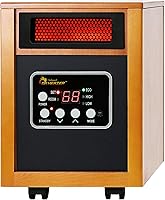
For indoor supplemental heat, the DR. INFRARED HEATER Dr Infrared Heater DR-968 Portable is an electric option rather than an outdoor fire-pit component.
The DR-968 weighs 19 lb, uses 12.5 amps, and has a 72 inch power cord. It is rated for indoor use, so do not place it near a DIY fire pit or use it as an outdoor substitute.
How do you inspect and maintain the pit?
Remove ash only after the fire pit is fully cold, then check the vents, walls, supports, and surrounding surface before the next fire. Blocked vents reduce the airflow that makes the design work.
Brush ash away from the lower intake openings and upper outlets. Look for cracks, distortion, loose masonry, damaged fasteners, or signs that the inner chamber has shifted.
Keep the pit covered only when it is cold and dry. A cover can reduce exposure to weather, but it cannot make a hot or damp fire pit safe to store.
If you prefer a manufactured option, compare a best smokeless fire pit insert and check the insert's dimensions before building the surround.
Is a DIY smokeless fire pit worth it?
Build one if you enjoy careful layout and can use heat-rated materials while preserving both airflow paths. Choose a ready-made insert or propane firebowl if predictable assembly, portability, or simpler cleanup matters more than a custom surround.
A DIY wood design can offer a tailored size and appearance, but it needs accurate vent placement, safe clearances, dry fuel, and regular ash removal. The build is only successful when the inner chamber stays hot and supplied with air.
For a finished patio setup, compare the Best Fire Pit Table or best smokeless fire pit with grill if your goal includes a table surface or outdoor cooking. For the basic build, keep the decision rule simple: raise the burn chamber, preserve the airflow gap, keep vents open, and burn dry wood in small loads.
Frequently asked questions
What makes a fire pit smokeless?
A smokeless fire pit uses strong airflow to burn wood gases before they leave the bowl as visible smoke. Lower vents bring in oxygen, while the heated walls and upper vents send hot air back into the fire.
Dry wood, correct loading, and steady airflow still matter.
Can I build a smokeless fire pit from concrete blocks?
Use only materials rated for high heat and follow the material maker's guidance. Ordinary concrete blocks can crack or break when exposed to repeated fire temperatures.
A purpose-built metal insert or fire-rated liner gives you a more predictable burn chamber.
How deep should a smokeless fire pit be?
The burn chamber should hold the wood without blocking the lower vents or covering the upper air outlets. Exact depth depends on the insert or design.
Keep the firewood below the upper outlet holes so heated air can reach the flame.
Is a smokeless fire pit safe on a patio?
Only use it where local rules allow, on a stable noncombustible surface with the clearance required by the design and local fire authority. Keep people, buildings, plants, and overhead materials away from the fire, and never leave it unattended.