How to Build a Backyard Fire Pit
To build a backyard fire pit, choose a clear location, dig a shallow level ring, add a gravel base, and stack heat-safe blocks around the opening. Check local fire rules before burning wood.
On this page (10 sections)
- Can you build a fire pit in your backyard?
- Where should you place a ground-level fire pit?
- What materials do you need to build a fire pit?
- How do you build a fire pit step by step?
- How should you prepare the base?
- How do you stack the fire-pit blocks?
- What should you burn in a backyard fire pit?
- What if you want warmth without an open wood fire?
- How do you care for the fire pit?
- What is the safest way to use the finished pit?
To build a backyard fire pit, choose a clear location, dig a shallow level ring, add a compacted noncombustible base, and stack heat-safe blocks around the opening. Check local fire rules before you begin, because setbacks, materials, and burn restrictions vary.
This guide covers a ground-level wood fire pit, not a fire pit table or patio furniture. A simple pit can work well for occasional fires when the site, construction, and firewood all suit the space.
Can you build a fire pit in your backyard?
You can build one only where local rules allow it and the site is safe. Check city, county, fire department, and homeowners association requirements before buying materials or digging.
Look for rules about distance from buildings, fences, trees, property lines, and overhead branches. Also check current burn bans and seasonal restrictions.
Avoid low spots that collect water, areas with buried utilities, and places where smoke will blow toward windows or neighboring homes. Call the appropriate utility marking service before digging if you are unsure about underground lines.
A ground-level wood pit also needs a clear area around the flame. Keep chairs, cushions, firewood piles, rugs, umbrellas, and other combustible items away from the opening.
Where should you place a ground-level fire pit?
Place the fire pit on a stable, open, noncombustible surface with clear space above it. Bare soil, gravel, or an approved masonry area is generally more suitable than a wooden deck, dry grass, mulch, or artificial turf.
Remove branches, leaves, roots, and other plant material from the work area. Do not place the pit beneath a roof, pergola, low tree canopy, or power line.
Think about smoke before choosing the final location. A pit that sits beside a door or under a bedroom window may make the space unpleasant even when the construction is sound.
If you want outdoor warmth without a wood fire, the Fire Pits and Heaters: The Complete Buying Guide explains how patio heaters and fire features differ.
What materials do you need to build a fire pit?
You need a measuring tool, shovel, level, compactable gravel, and heat-safe blocks or masonry. A steel insert can be useful if it fits the design and is rated for a wood-burning fire pit.
Avoid ordinary landscape edging, painted materials, river rocks of unknown type, and blocks that are not intended for high heat. Some materials can crack or break when heated.
Plan the opening before you dig. The inside diameter should leave enough room for a manageable fire while keeping the outside wall stable and the surrounding area clear.
For a stone-focused design, see the guide to the best stone fire pit. If you prefer a defined metal burn chamber, compare a best fire pit metal insert option after measuring the opening.
How do you build a fire pit step by step?
Build the pit by marking a circle, removing vegetation, leveling the base, adding compacted gravel, and stacking heat-safe blocks. Work slowly because a level first course controls the stability of every course above it.
- Mark the outside and inside edges of the pit with stakes, string, or another layout method.
- Remove grass, roots, and loose soil from the marked area.
- Dig a shallow area deep enough for the planned base and first course.
- Check the excavated area with a level in several directions.
- Add a layer of compactable gravel or another approved noncombustible base.
- Tamp the base and check it again for level.
- Set the first ring of blocks carefully, keeping the opening even.
- Add later courses only if the blocks and design allow stacking.
- Check the wall from several angles before using the pit.
- Keep the area clear until you have confirmed the structure is stable.
Do not rush the first course. A low spot can make the wall lean, leave part of the opening unstable, or collect water after rain.
How should you prepare the base?
The base should be firm, level, and able to drain. Remove organic material first because grass, roots, and loose mulch can burn or shift under the pit.
Spread the base material evenly, then compact it in stages. Recheck the center and outer edge with a level before setting blocks.
The finished pit should not wobble when you press lightly on the first course. If it moves, remove the blocks and correct the base instead of trying to hide the problem with later layers.
Avoid pouring water into a hot pit or using wet stones around an active fire. Let the area cool fully before maintenance.
How do you stack the fire-pit blocks?
Set the first ring with tight, even joints and keep each added course aligned with the one below it. Follow the block manufacturer's instructions for stacking, adhesive, and heat exposure.
Keep the opening round or evenly shaped as you work. A wall that narrows sharply can make it harder to place wood and manage the fire.
Do not use construction adhesive inside the burn area unless the product is specifically approved for that heat and use. Keep any material that can melt, smoke, or burn away from the flame.
A taller wall may block some wind, but it can also make the fire harder to reach and inspect. Choose a height that lets you safely see the fire and remove ash.
What should you burn in a backyard fire pit?
Burn only dry, untreated firewood that local rules permit. Do not burn painted wood, pressure-treated lumber, trash, plastic, or construction scraps.
Start with a small fire and add wood gradually. Keep a way to extinguish the fire nearby, and never leave the pit unattended.
Wind can carry sparks and smoke beyond the pit. Put out the fire when conditions change, when smoke affects nearby homes, or before anyone leaves the area.
If smoke is your main concern, read how to build a smokeless fire pit. A propane alternative is the Outland Living Firebowl Smokeless Fire Pit, a 24 in round outdoor propane fire pit with a 58,000 BTU output, a 10 ft hose, lava rock, and a weather-resistant cover.
The Outland Living Firebowl Smokeless Fire Pit measures 24 x 24 x 13 in and weighs 34 lb. It uses a standard 20 lb propane tank, which is not included, and has manual ignition.
What if you want warmth without an open wood fire?
A heater may suit a covered patio or seating area better than a wood-burning pit, but it is not a replacement for a backyard fire pit. Choose the heat source based on the location, fuel, ventilation, and activity you plan to support.
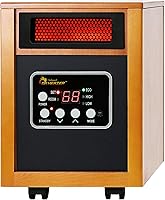
The DR. INFRARED HEATER Dr Infrared Heater DR-968 Portable is an indoor electric space heater with 1,500 watts, a 50 to 85°F thermostat range, and a 12-hour automatic shut-off timer.
The DR-968 weighs 19 lb, has caster wheels, and includes a remote control, owner's manual, and AAA batteries. Its indoor-only use means it should not be placed beside an outdoor fire pit or used as an outdoor heater.
For outdoor seating, the Amazon Basics 46,000 BTU portable outdoor propane patio heater has wheels, a Havana Bronze powder-coated finish, a water tank, and a tilt safety auto-shut-off valve.
The Amazon Basics heater measures 32.12 x 32.12 x 91.3 in and is designed for outdoor heating. It uses a 20 lb liquid propane tank, which is not included, and has an adjustable temperature knob.
For a built-in furniture-style project, see How to Build a DIY Fire Pit Table?. If you are comparing finished furniture instead, read about the Best Fire Pit Table.
How do you care for the fire pit?
Let the fire go out fully, remove ash only after the pit is cold, and inspect the wall before the next fire. Look for shifted blocks, cracks, loose pieces, and plant growth around the base.
Keep ash away from combustible containers and surfaces. Store dry firewood away from the pit, house, fence, and other structures.
Rain can wash fine ash into the base and surrounding soil. Remove excess ash as needed, but avoid disturbing hot coals or using water on a fire that is not fully extinguished.
If you are considering a removable smoke-control insert, compare the best smokeless fire pit insert and the best wood burning fire pit kit. A smokeless fire pit insert 36-inch needs a matching opening, so measure before ordering.
What is the safest way to use the finished pit?
Use small fires, keep the area clear, watch wind conditions, and stay with the fire until it is cold. Follow local rules every time, even if the pit was built months earlier.
Do not place a cover over a hot fire. Keep children and pets away from the opening, and make sure seating does not block your path around the pit.
The right choice depends on your space. Build a ground-level wood pit if local rules allow it and you want a simple fire area.
Choose a propane firebowl for portable, low-ash use, or choose a patio heater when you want warmth without an open flame.
Frequently asked questions
Can I build a fire pit in my backyard?
You may be able to build a backyard fire pit, but local rules, property setbacks, and fire restrictions control what is allowed. Check with your city, county, fire department, or homeowners association before digging.
Use only a location with a clear area above and around the fire.
What is the best base for a wood-burning fire pit?
A level, compacted base of gravel or another approved noncombustible material helps create a stable surface and lets water drain. Remove grass and roots first, keep the pit away from combustible structures, and follow local requirements for depth and materials.
How deep should a backyard fire pit be?
A shallow ground-level pit is usually easier to manage than a deep hole, but the exact depth depends on local rules, soil, drainage, and the blocks or liner you choose. Keep the fire below the top rim and never make the pit deeper than you can safely maintain.
Should I use a metal insert in a fire pit?
A metal insert can protect the surrounding blocks and create a defined burn area, but it must fit the pit and be approved for fire-pit use. Measure the opening before buying.
For insert options, compare the best fire pit metal insert choices after deciding on your pit size.