How Do You Clean Wrought Iron Patio Furniture?
On this page (7 sections)
Cleaning wrought iron patio furniture typically involves a gentle wash with mild soap and water, followed by thorough drying to prevent rust. For tougher grime or rust spots, you might need a bit more effort, like light scrubbing or specialized rust removers.
Maintaining your wrought iron pieces keeps them looking beautiful and extends their life for many years of enjoyment.
- Start with a gentle rinse to remove loose dirt.
- Use a soft brush or cloth with mild dish soap and water for general cleaning.
- Address rust spots promptly with steel wool or a wire brush, then consider a rust-inhibiting primer.
- Always dry wrought iron furniture completely to prevent new rust from forming.
- Apply a protective wax or clear sealant regularly to shield against weather and corrosion.
How Do You Clean Wrought Iron Patio Furniture?
Cleaning wrought iron patio furniture is simpler than you might think, mainly requiring mild soap and careful attention to detail. This approach keeps your outdoor pieces looking sharp and ready for any gathering.
The Foundation of a Good Clean: Basic Maintenance
Regular, light cleaning is your best friend when it comes to wrought iron. Think of it like a quick refresh, preventing bigger problems down the road. Just a little effort makes a big difference in the long run.
Gathering Your Cleaning Arsenal
Before you begin, gather your supplies. You’ll need a bucket, warm water, mild dish soap, a soft cloth or sponge, and a hose for rinsing. Having everything ready saves time and makes the job smooth.
Gentle Dusting and Wiping
Begin by giving your furniture a quick wipe-down with a dry cloth or brush. This removes any loose dust, pollen, or cobwebs. It’s like clearing the table before you wash it, setting the stage for a deeper clean.
A Simple Soap and Water Wash
Mix a small amount of mild dish soap into a bucket of warm water. You want a solution that’s bubbly but not overly sudsy. See our guide to cleaning wrought iron furniture for more on this. We found that a ratio of one tablespoon of soap per gallon of water works well.
Scrubbing the Grime Away
Dip your soft cloth or sponge into the soapy water and gently wipe down all surfaces of your wrought iron furniture. See our guide to clean black wrought iron for more on this. For tougher spots, a soft-bristled brush can help lift the grime without scratching the finish. Don’t be afraid to give it a little elbow grease.
Here’s a quick list of tools for your basic clean:
- Bucket
- Warm water
- Mild dish soap
- Soft cloth or sponge
- Soft-bristled brush (optional)
- Garden hose (for rinsing)
Tackling Stubborn Stains and Rust
Sometimes, basic cleaning isn’t enough. Mother Nature can be tough, leaving behind mildew or, worse, rust. Don’t worry, there are effective ways to handle these challenges and bring your furniture back to life.
Mildew and Mold Solutions
If you see green or black spots, that’s likely mildew or mold. We found that a solution of one part white vinegar to one part water can be very effective. Apply it, let it sit for a few minutes, then scrub gently.
Dealing with Rust Spots
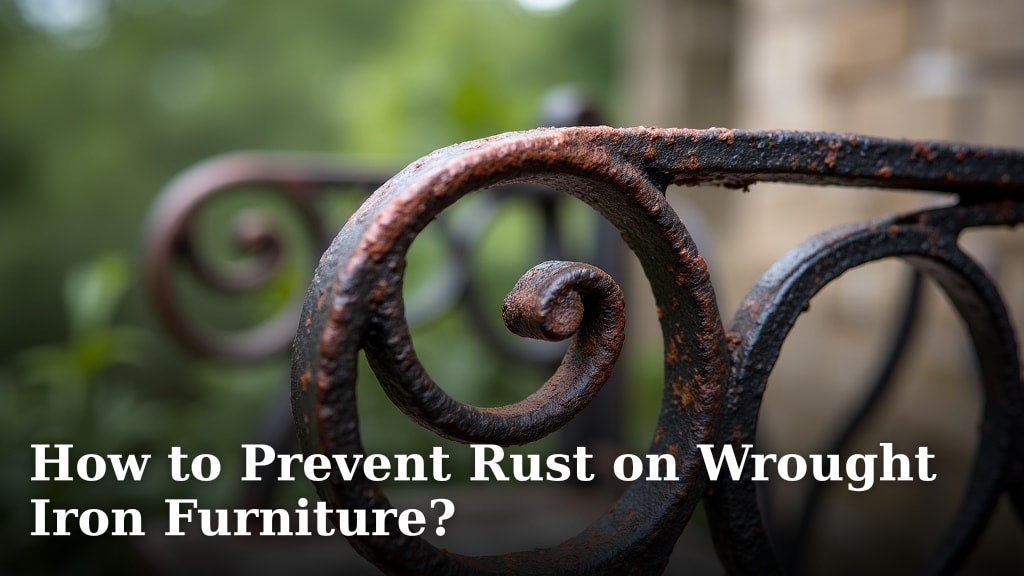
Rust is the arch-nemesis of wrought iron. Catching it early is key. Small rust spots are much easier to manage than widespread corrosion, so act quickly once you spot them. See our guide to clean rusty wrought iron for more on this. Rust can quickly spread if left unattended.
Sanding Small Rust Patches
For isolated rust spots, a piece of fine-grit sandpaper (around 120-180 grit) or a wire brush can do the trick. Gently sand the rusted area until the rust is gone and you see bare metal. Be careful not to sand too aggressively.
Rust Converters and Primers
After sanding, consider applying a rust converter or a rust-inhibiting primer to the exposed metal. These products create a protective layer and prepare the surface for painting. Many experts recommend this step to prevent rust from returning (Material Science Journals).
Drying and Protecting Your Furniture
Cleaning is only half the battle; proper drying and protection are just as important. These steps safeguard your efforts and ensure your furniture stays beautiful for longer.
Why Proper Drying Matters
Water is a main cause of rust on wrought iron. After cleaning, it is absolutely essential to dry your furniture completely. Use clean towels, or let it air dry in direct sunlight, rotating pieces to ensure all areas dry.
Applying a Protective Finish
Once your furniture is bone dry, consider applying a protective finish. This layer acts like an invisible shield against moisture and the elements. It’s an extra step that pays off in durability.
Waxing for Extra Shine
A good quality automotive wax or a specialized outdoor furniture wax can add a beautiful luster and an additional layer of protection. See our guide to polish wrought iron furniture for more on this. Apply it according to the product instructions, usually in thin, even coats.
Regular Maintenance for Longevity
Think of wrought iron care as a cycle, not a one-time event. Consistent, small actions prevent major problems and keep your furniture looking its best. A little attention goes a long way.
Here’s a quick checklist for routine care:
- Rinse off dirt weekly with a hose.
- Wipe down with a damp cloth monthly.
- Inspect for rust spots every few months.
- Reapply protective wax or sealant annually.
- Store indoors or cover during harsh weather.
When to Call the Pros
Sometimes, a DIY approach isn’t enough. For extensive rust damage, intricate designs, or a complete restoration, professional services might be your best option. They have specialized tools and expertise.
| Task | DIY Approach | Professional Service |
|---|---|---|
| Light Cleaning | Mild soap, water, cloth | Not usually needed |
| Small Rust Spots | Sandpaper, wire brush, primer | Can be handled, but DIY is fine |
| Extensive Rust | Challenging, time-consuming | Sandblasting, industrial coatings |
| Repainting | Brush/spray paint, prep work | Powder coating, specialized paints |
| Structural Repair | Difficult for most homeowners | Welding, metal fabrication |
Conclusion
Cleaning your wrought iron patio furniture doesn’t have to be a chore. With a little care, the right supplies, and consistent effort, you can keep your pieces looking fantastic for many seasons. Remember, prevention is often the best cure, so regular maintenance is key. Enjoy your beautiful, well-maintained outdoor space!
How often should I clean my wrought iron patio furniture?
For general maintenance, a light rinse with a hose weekly and a more thorough wash with soap and water every month or two during patio season is ideal. If you live in a particularly dusty or humid area, you might want to increase the frequency.
Can I use a pressure washer on wrought iron furniture?
We advise against using a pressure washer. While it might seem quick, the high pressure can strip away protective coatings or even damage the finish, making your furniture more vulnerable to rust. A gentle hose spray is always safer.
What kind of paint is best for wrought iron?
When it’s time to repaint, look for paints specifically designed for metal or outdoor use, often labeled as “rust-inhibiting” or “all-weather.” An oil-based enamel paint will offer good durability and protection against the elements.
How can I prevent rust on my wrought iron furniture?
The best rust prevention involves thorough drying after cleaning or rain, applying a protective wax or sealant annually, and touching up any chips or scratches promptly. Storing furniture under cover or indoors during harsh weather also helps immensely.
Is it okay to leave wrought iron furniture outside year-round?
While wrought iron is durable, leaving it exposed to extreme weather year-round can accelerate wear and rust. Covering it with breathable outdoor furniture covers or storing it in a garage or shed during winter months will significantly extend its lifespan.