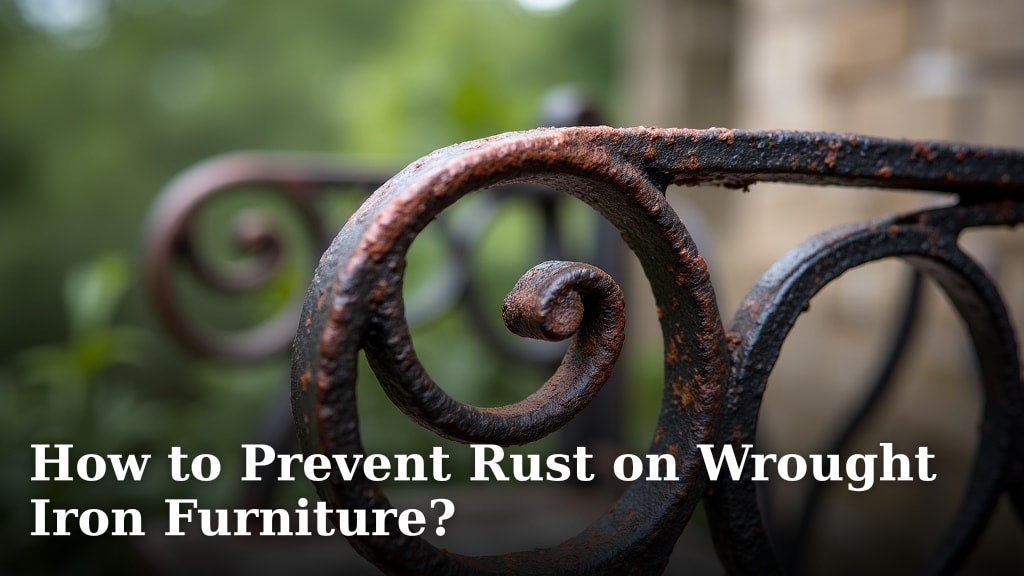
How To Clean Black Wrought Iron Patio Furniture?
Cleaning black wrought iron patio furniture primarily involves a gentle washing process with mild soap and water, followed by thorough drying to prevent rust. For tougher grime or mildew, a slightly stronger but still gentle solution can be used.
Regular maintenance is key to keeping your wrought iron looking its best, protecting its finish, and extending its life significantly.
- A quick wash with dish soap and water removes most dirt and pollen.
- Always dry wrought iron completely after cleaning to stop rust from forming.
- Tackle rust spots with a wire brush or steel wool, then prime and paint.
- Mildew responds well to a diluted bleach solution or vinegar mixture.
- Protect your furniture with a good quality wax or sealant after cleaning.
How To Clean Black Wrought Iron Patio Furniture?
Cleaning your black wrought iron patio furniture is simpler than you might think. You can bring back its original charm with just a few basic supplies and a bit of elbow grease.
Why Does Wrought Iron Need Special Care?
Wrought iron is beautiful, but it can be susceptible to rust if not cared for properly. It also gathers pollen, dust, and general outdoor grime, just like any other outdoor item. Its durability means it will last for decades with the right approach.
Many experts say that preventing issues is easier than fixing them (Architectural Digest). That holds true for your lovely iron pieces.
Gathering Your Cleaning Arsenal
Before you start, gather everything you will need. Think of it like preparing for a mini-expedition in your backyard. Having your tools ready makes the job much smoother.
Essential Tools You’ll Need
You probably have most of these items around your home already. We found that a few simple tools make all the difference for effective cleaning.
- Two buckets (one for soap, one for rinse)
- Soft brushes or sponges
- Old towels or microfibe cloths for drying
- Garden hose with a spray nozzle
- Protective gloves
- Wire brush or steel wool (for rust spots)
- Small scraper or putty knife (for stubborn grime)
Safe Cleaning Solutions
What you use to clean is just as important as how you clean. Harsh chemicals can strip the finish, so gentle is best.
Many guidelines point to a mild approach as a good first step (Good Housekeeping).
- Mild dish soap (like Dawn)
- White vinegar (for mildew or tougher stains)
- Baking soda (for gentle scrubbing)
- Optional: commercial wrought iron cleaner (always test first)
The Gentle Cleaning Process: Step-by-Step
Ready to make your furniture sparkle again? We will walk you through each step, ensuring you get the best results without damaging your beloved pieces.
Step 1: Pre-Cleaning Prep
Always start by removing any cushions or decorative items. Give the furniture a quick hose-down to remove loose dirt and pollen. This initial rinse saves a lot of scrubbing later.
A quick spray is like clearing the runway before a flight; it prepares everything for a smoother operation.
Step 2: Wash Away the Grime
Mix a few drops of mild dish soap into a bucket of warm water. Dip your soft brush or sponge into the soapy water. Gently scrub all surfaces of your wrought iron furniture. Pay attention to nooks and crannies where dirt loves to hide.
For more textured areas, a soft-bristled brush can help reach recessed designs. Just be gentle; we do not want to scratch that beautiful black finish.
Step 3: Rinse Thoroughly
Using your garden hose, thoroughly rinse off all soap residue. Make sure no soapy film remains, as this can attract new dirt or leave streaks when dry. A clean rinse prevents future headaches.
Step 4: Dry Completely
This is arguably the most crucial step for wrought iron. Use old towels or microfiber cloths to wipe down every part of the furniture. Then, let it air dry completely in the sun.
Any remaining moisture is an open invitation for rust. We found that thorough drying significantly extends the life of your iron pieces.
Tackling Specific Troubles
Sometimes, general cleaning is not enough. Your furniture might have specific issues like rust, mildew, or stubborn stains. Let’s tackle those next.
How to Deal with Rust Spots
Rust happens, even with the best intentions. Small rust spots can be handled with care. Many experts say catching them early makes the job much easier.
Gently scrub the rust with a wire brush or fine-grade steel wool. Wipe away any rust dust, then prime the area with a rust-inhibiting primer. Finish with outdoor-grade black paint matching your furniture.
Eradicating Pesky Mildew and Mold
Mildew looks like black or grey fuzzy patches. It often appears in damp, shaded areas. It is unpleasant, but easy to remove.
Mix one part white vinegar with two parts water. Alternatively, use one part bleach to ten parts water for a stronger solution (CDC recommends caution with bleach). Apply to affected areas, let sit for 10-15 minutes, then scrub and rinse.
Stubborn Stains? Try This
For tough, caked-on grime or sap, you might need a little extra power. A paste made from baking soda and a little water can work wonders. Apply the paste, let it sit for a few minutes, then scrub gently.
For very tough spots, a plastic scraper can help loosen material without scratching. Always test in an inconspicuous area first.
Long-Term Care and Protection
Cleaning is great, but protection is where the magic happens for longevity. Think of it as putting on sunscreen after a good bath for your furniture.
The Importance of Regular Waxes
Applying a protective wax or sealant creates a barrier against moisture and sun. This simple step can greatly reduce rust and fading. Many brands offer clear, outdoor-friendly waxes.
Apply a thin, even coat after cleaning and drying, then buff according to product directions. Research often connects regular protection with extended outdoor furniture life (NIH).
Storage Tips for Off-Season
When winter rolls around, proper storage is your furniture’s best friend. If possible, store wrought iron furniture indoors, such as in a garage or shed. This protects it from harsh weather.
If indoor storage is not an option, use high-quality, breathable furniture covers. These protect from rain, snow, and UV rays while allowing air circulation to prevent condensation.
What NOT to Do When Cleaning
Just as there are best practices, there are also things to avoid. Knowing what not to do can save you from costly mistakes or damage to your furniture.
Avoid abrasive scrubbers or steel wool on the intact finish, as they can scratch it. Do not use extremely harsh chemicals or industrial-strength degreasers that might strip the paint. Avoid power washing at very high pressures, which can chip the finish. Never leave your furniture wet for extended periods after cleaning.
Cleaning Frequency Guidelines
How often should you clean? It depends on your local environment and how much use your furniture gets. Here is a general guide:
| Frequency | Activity | Details |
|---|---|---|
| Weekly/Bi-Weekly | Quick Wipe-Down | Remove pollen, dust, and light debris with a damp cloth. |
| Monthly | Light Wash | Mild soap and water wash, followed by thorough drying. |
| Seasonally (Every 3-4 months) | Deep Clean & Inspect | Thorough wash, check for rust/mildew, apply wax/sealant. |
| As Needed | Spot Treatment | Address spills, bird droppings, or new rust spots immediately. |
This table helps you keep a routine, much like how you might care for a garden, with tasks varying by season.
Cleaning Checklist: Your Patio Furniture Refresh
To keep things simple, here’s a quick checklist to guide your cleaning process:
- Gather all necessary tools and cleaning solutions.
- Remove cushions and hose down loose dirt.
- Wash all surfaces with mild soapy water and a soft brush.
- Rinse completely to remove all soap residue.
- Dry every part thoroughly with cloths, then air dry.
- Inspect for any rust, mildew, or stubborn stains.
- Treat specific issues as needed (rust removal, mildew cleaner).
- Apply a protective wax or sealant once completely dry.
- Store appropriately if the season calls for it.
Conclusion
Cleaning your black wrought iron patio furniture does not have to be a chore. With the right approach and a little consistency, you can keep your pieces looking fantastic for many years. Remember, gentle care and thorough drying are your best friends in this endeavor. Enjoy your beautifully maintained outdoor space!
Can I use a pressure washer on wrought iron?
It is generally best to avoid using a high-pressure washer on wrought iron furniture. High pressure can chip or strip the paint and finish, potentially exposing the metal to moisture and promoting rust. A gentle spray from a garden hose is usually sufficient for rinsing.
What should I do if the black paint on my wrought iron is chipping?
If the paint is chipping, gently sand the affected area to remove loose paint and smooth the edges. Apply a rust-inhibiting primer to any exposed metal, then finish with a good quality outdoor-grade black paint designed for metal. This helps protect the iron and restores its appearance.
How often should I wax or seal my wrought iron furniture?
Many experts suggest waxing or sealing your wrought iron furniture at least once a year, typically after a deep clean in the spring or before storing it for winter. If your furniture is exposed to harsh weather or gets heavy use, you might consider doing it twice a year for extra protection.
Is it okay to use steel wool on wrought iron to remove rust?
Yes, fine-grade steel wool can be effective for removing small, superficial rust spots on wrought iron. However, use it gently and only on the rusted areas to avoid scratching the intact finish. Always follow up by cleaning the area, priming, and repainting to prevent rust from returning.
Can I leave my wrought iron furniture outside all year?
While wrought iron is durable, leaving it exposed to harsh elements all year can shorten its lifespan and increase maintenance needs. If possible, storing it indoors or under a protective cover during extreme weather or the off-season is highly recommended. This shields it from rain, snow, and intense UV rays.