How To Polish Wrought Iron Patio Furniture?
To polish wrought iron patio furniture, begin with a thorough cleaning to remove dirt, grime, and any loose rust. Then, apply a specialized wrought iron polish or a high-quality paste wax, buffing gently with a clean, soft cloth until you achieve a beautiful, protective shine.
For the best results, always work in a shaded area and avoid direct sunlight. This helps prevent the polish from drying too quickly. Regular maintenance and careful application are key to preserving your furniture’s classic look and extending its life.
- Get your wrought iron looking new again with a simple polish.
- Start with a deep clean to remove all dirt and debris.
- Treat any rust spots with appropriate methods before polishing.
- Choose a quality polish or wax designed for metals.
- Apply and buff gently for a beautiful, long-lasting shine and protection.
How To Polish Wrought Iron Patio Furniture?
Polishing wrought iron patio furniture really breathes new life into it, restoring its classic beauty and adding a layer of protection. You’re not just making it shine; you’re preserving its character for years to come.
Why Bother Polishing Your Wrought Iron?
Wrought iron, with its timeless appeal, is a popular choice for outdoor spaces. Over time, however, it can look a bit dull or even start to rust if left unprotected. Polishing isn’t just about aesthetics; it’s a vital step in maintenance.
A good polish creates a barrier against moisture and air, which are the main culprits behind rust and corrosion. It helps to seal the metal, making your furniture more resilient to the elements and easier to clean in the future. Think of it as sunscreen for your beautiful outdoor pieces.
What You’ll Need: Your Polishing Toolkit
Before you dive in, gathering the right tools makes the job much smoother and more effective. You don’t need a lot, but having the right supplies prevents frustrating delays. Many experts say that preparation is half the battle when caring for metals.
Cleaning Essentials
- Mild dish soap or a specialized metal cleaner.
- Warm water.
- Soft brushes (like an old toothbrush) for crevices.
- Clean rags or sponges.
- Wire brush or steel wool (fine-grade) for rust.
- Drop cloths or old sheets to protect your workspace.
Selecting Your Polishing Agent
Choosing the right polish is crucial for wrought iron. Avoid harsh abrasives that could scratch the finish. You want something that restores luster and offers protection. We found that paste wax or specialty metal polishes work best.
Many metal care specialists recommend a carnauba-based paste wax, as it provides a durable, water-resistant finish. Some prefer dedicated wrought iron waxes, which are often formulated with UV inhibitors for added outdoor protection. Always read the product label to ensure it’s suitable for your specific furniture (cleaning experts).
The Polishing Process: A Step-by-Step Walkthrough
Ready to get started? We’ll guide you through each stage to ensure your wrought iron shines. Taking your time with each step yields the best possible outcome for your furniture.
Pre-Polish Cleaning
First things first, clean your furniture thoroughly. Mix a few drops of mild dish soap with warm water. Use a soft cloth or sponge to wipe down every surface, removing dirt, dust, and pollen. For stubborn grime, a soft brush can be very helpful, especially in decorative scrollwork. Rinse well with clean water and let it dry completely in the shade.
Dealing with Rust
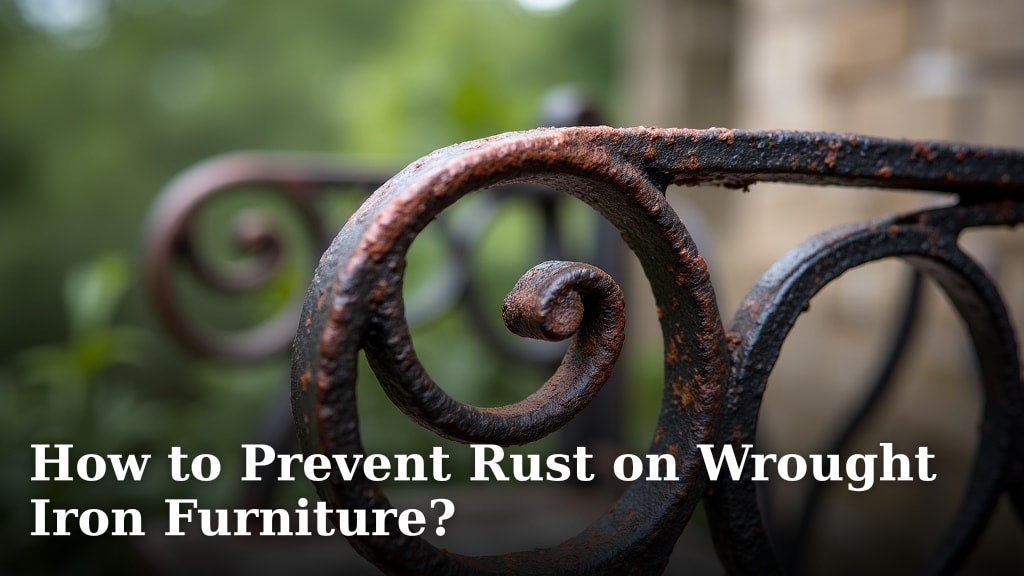
Rust is wrought iron’s arch-nemesis, so tackling it before polishing is a must. The approach depends on how severe the rust is. You want to remove as much as possible without damaging the underlying metal. Research often connects rust removal to long-term metal integrity.
| Rust Severity | Recommended Method | Tools & Materials |
|---|---|---|
| Light Surface Rust | Gentle scrubbing and wiping. | Fine-grade steel wool, soft wire brush, white vinegar. |
| Moderate Rust Spots | More aggressive scrubbing, rust converter. | Medium-grade steel wool, sandpaper (fine-grit), rust remover/converter. |
| Heavy Flaking Rust | Mechanical removal, protective primer. | Wire brush attachment (drill), sandpaper (coarse to fine), metal primer. |
For light rust, a dab of white vinegar on steel wool works wonders. For heavier spots, you might need to gently sand or use a rust converter product. Make sure to neutralize any rust remover and wipe clean before proceeding. This step is crucial for a smooth finish.
Applying the Polish for Best Results
Once your furniture is clean, dry, and rust-free, it’s time to apply the polish or wax. Work in a cool, shaded area to prevent the product from drying too fast. Apply a small amount of polish onto a clean, soft cloth. You want a thin, even layer, almost like you’re applying moisturizer. Some metal experts suggest doing small sections at a time for better control and coverage.
The Buffing Secret to a Great Shine
After applying the polish, let it sit for the time recommended by the manufacturer, usually just a few minutes. Then, grab a fresh, clean, and dry soft cloth – microfiber cloths are excellent for this. Using circular motions, gently buff the surface until it gleams. This action helps to work the polish into the pores of the metal and brings out its natural luster. It’s like magic, watching the shine appear with each stroke!
Keeping the Luster: Aftercare Tips
Polishing is a fantastic way to restore your wrought iron, but how do you keep it looking great? Regular care can prevent future rust and dullness. It’s about creating a routine that protects your investment. We’ve found that consistent, gentle cleaning makes a huge difference.
- Wipe down furniture weekly with a soft, damp cloth.
- Address spills or dirt immediately to prevent staining.
- Reapply wax or polish every 3-6 months, depending on exposure.
- Use furniture covers during harsh weather or off-season storage.
- Avoid harsh chemical cleaners that can strip protective layers.
- Inspect for any new rust spots regularly and treat them quickly.
Common Missteps to Avoid When Polishing
Even with the best intentions, it’s easy to make mistakes that can hinder your results. Knowing what to avoid saves you time and effort. Many patio furniture guides warn against certain practices that can actually damage your pieces. Your goal is to enhance, not harm, the metal. Don’t worry, these tips will help you steer clear of trouble. Your furniture will thank you for the careful approach.
One common mistake is using too much polish. A little goes a long way, and excess can lead to a sticky residue that attracts dirt. Another pitfall is polishing in direct sunlight, which causes the polish to dry prematurely and streak. Always work in a shaded spot. Skipping the cleaning step before polishing is also a no-no; you’d just be rubbing dirt into your furniture. Take your time, and remember, patience leads to perfection.
Conclusion
Polishing your wrought iron patio furniture is a rewarding task that extends its life and beauty. By following these steps – from careful cleaning and rust removal to applying and buffing the polish – you ensure your outdoor pieces remain stunning. Remember, consistency in care is what truly keeps these timeless items looking their best. Enjoy your beautifully revitalized patio space!
Does polishing wrought iron prevent rust?
Yes, polishing wrought iron, especially with a wax-based product, creates a protective barrier that helps repel moisture and air, thereby significantly reducing the likelihood of rust formation. It acts as a sealant for the metal.
How often should I polish my wrought iron patio furniture?
The frequency depends on your local climate and how much your furniture is exposed to the elements. Generally, reapplying polish or wax every three to six months is a good guideline, or when you notice the shine beginning to fade.
Can I use car wax to polish wrought iron?
Yes, a high-quality carnauba paste wax, often used for cars, can be an effective polish for wrought iron. It provides a durable, water-resistant finish similar to dedicated metal waxes. Just ensure it’s not an abrasive cleaning wax.
What if my wrought iron is painted? Can I still polish it?
If your wrought iron is painted, you wouldn’t typically “polish” the iron itself. Instead, you would clean and potentially wax the painted surface to protect the paint. Polishing is primarily for unpainted or clear-coated wrought iron.
Are there eco-friendly options for cleaning and polishing wrought iron?
Absolutely! For cleaning, a simple solution of mild dish soap and water works wonders. For light rust, white vinegar can be effective. When choosing a polish, look for brands that specify natural ingredients or non-toxic formulas to be more environmentally conscious.