Can You Leave Patio Cushions Outside In The Rain?
On this page (7 sections)
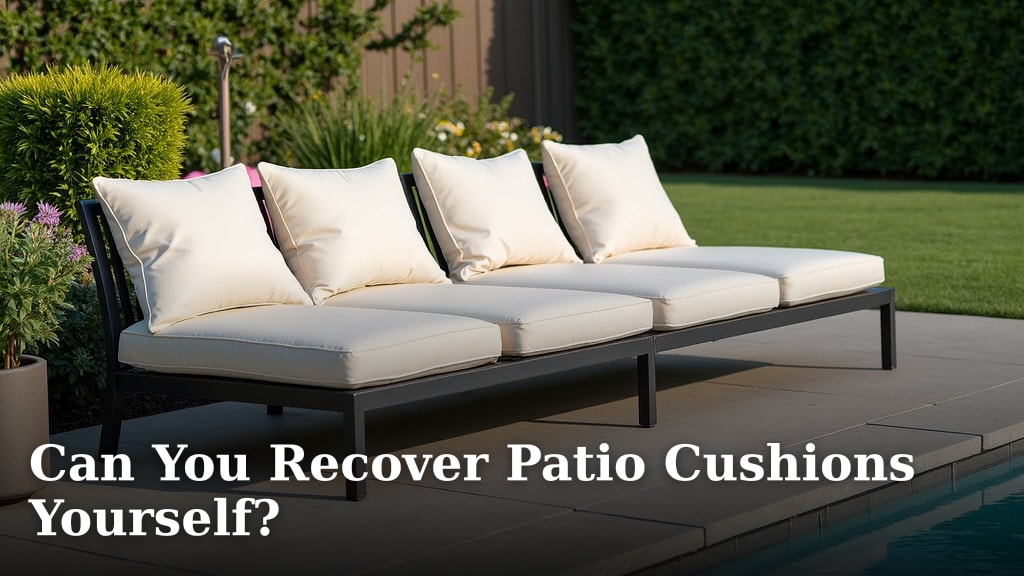
Generally, you should not leave patio cushions outside in the rain, especially if they are not specifically designed to be waterproof or highly water-resistant.
Leaving patio cushions exposed to heavy or prolonged rain can quickly lead to waterlogging, mildew growth, and damage to their internal structure.
- You usually shouldn’t leave patio cushions out in the rain.
- Most cushions can get waterlogged, leading to mold and mildew.
- Even “water-resistant” cushions need protection from heavy downpours.
- Waterproof cushions are best for rain, but still benefit from storage.
- Simple steps like covers or storage boxes can save your cushions.
Can You Leave Patio Cushions Outside In The Rain?
No, it’s generally not a good idea to leave most patio cushions outside when it rains. Leaving them out can lead to several problems over time.
It’s best to protect them, even if a light drizzle is all you expect.
The Immediate Impact of Rain
Imagine leaving a sponge outside during a shower. It gets soaked, right? Your patio cushions are similar.
Rain soaks into the fabric and the foam inside. This happens faster than you might think.
What Happens When Cushions Get Soaked?
When cushions get soaked, they become heavy and squishy. The water often stays trapped deep inside them.
This trapped moisture then starts a chain reaction of unwelcome issues.
Types of Patio Cushions and Their Rain Resistance
Not all patio cushions are created equal when facing the weather. Their design plays a big role.
Understanding the differences helps you care for your outdoor space better.
Water-Resistant Cushions: A Closer Look
Many outdoor cushions are labeled “water-resistant.” This means they can shed light moisture.
They handle a small splash or a brief drizzle fairly well. Think of it like a light raincoat.
How Water Resistance Works
Water-resistant cushions often have a special coating on the fabric. This causes water to bead up and roll off.
However, this resistance has its limits. Heavy or long rain can still get through the fabric (Textile Institute).
Waterproof Cushions: The Gold Standard?
True “waterproof” cushions are much less common. These typically have a barrier that water cannot penetrate.
They are designed to keep the foam completely dry, even in heavy rain. This is the ideal for rainy climates.
Standard Cushions: The Riskiest Choice
If your cushions don’t specify water resistance, they are likely standard. These offer almost no rain protection.
A quick rain shower will leave them completely saturated. They are best kept under cover always.
Why Excessive Moisture is a Problem
Beyond being wet, excess moisture brings serious trouble. It impacts both the look and lifespan of your cushions.
Ignoring this can lead to costly replacements sooner than you’d like.
The Mildew and Mold Menace
Warm, damp conditions are a perfect breeding ground. This is where mold and mildew love to grow (Environmental Protection Agency).
You’ll notice an unpleasant smell, then dark spots appearing on the fabric.
| Cushion Type | Initial Rain Response | Mold/Mildew Risk | Drying Time |
|---|---|---|---|
| Standard | Soaks quickly | High | Very Long |
| Water-Resistant | Sheds light rain | Medium-High | Moderate-Long |
| Waterproof | Repels all rain | Low | Fast (surface only) |
Structural Damage and Longevity Issues
Wet foam breaks down faster than dry foam. Repeated soaking and drying weakens the cushion’s core.
Your plush cushions will lose their shape and support. They become lumpy and less comfortable.
Fading and Discoloration
Rain itself can sometimes carry pollutants. These can leave marks on your fabric.
Combined with sun exposure, moisture can also accelerate color fading. Your vibrant colors may dull quickly.
Smart Strategies for Protecting Your Cushions
So, what can you do to keep your cushions looking great? There are many simple solutions available.
A little proactive care goes a long way in preserving your outdoor investment.
Storage Solutions: Your Best Bet
The simplest way to guard against rain is to store your cushions. A deck box or storage shed works perfectly.
We found that dedicated storage boxes keep them dry and clean. They also protect against sun.
Quick-Dry Options: What to Look For
Some cushions are made with quick-dry foam and fabric. These are designed to release water fast.
They still get wet, but they dry out much quicker. Many experts say they are a good middle ground.
Protective Covers: A Simple Shield
If storage is not an option, consider patio furniture covers. These cover the entire furniture piece.
Make sure they are snug and truly waterproof. This creates a temporary dry haven for your cushions.
When It’s Okay (and When It’s Not) to Leave Them Out
Is there ever a time you can just leave them? It depends on the weather forecast and cushion type.
Use your judgment, but always lean towards protection when in doubt.
Brief Showers vs. Downpours
A very light, brief sprinkle might not hurt water-resistant cushions. They will likely dry quickly afterward.
But any forecast for a heavier shower or prolonged rain means it’s time to bring them in.
The Role of Cushion Material
As we discussed, waterproof materials handle rain best. Water-resistant fabrics offer some defense.
Standard cushions, without question, need to be protected from even the slightest rain.
Checklist for Cushion Care in Rainy Weather
- Check the weather forecast daily.
- Bring cushions inside if heavy rain is expected.
- Use a waterproof storage box for convenience.
- Invest in full furniture covers for larger sets.
- Clean any damp cushions thoroughly before storing.
- Air out cushions completely after any moisture exposure.
Conclusion
Leaving patio cushions outside in the rain is generally not recommended. While some cushions offer more resistance than others, prolonged exposure to moisture can cause mildew, structural damage, and fading.
Protecting your cushions with storage, covers, or by simply bringing them inside will significantly extend their life and keep them looking their best. A little effort now saves you from bigger problems later.
What is the difference between water-resistant and waterproof patio cushions?
Water-resistant cushions repel light moisture, causing water to bead up and roll off for a short time. Waterproof cushions, however, have a protective barrier that prevents water from penetrating the fabric and foam entirely, even during heavy rain.
Can mold and mildew on patio cushions be fully removed?
It’s possible to remove mold and mildew from the surface of patio cushions with proper cleaning solutions, like a diluted bleach or vinegar mixture. However, if the mold has deeply penetrated the foam, it might be very challenging to remove completely, often requiring replacement.
How do I dry soaked patio cushions quickly?
To dry soaked cushions, stand them on their sides to allow water to drain. Press them gently to squeeze out excess water. Then, place them in a sunny, breezy spot, rotating them occasionally to ensure all sides dry thoroughly. Avoid using high heat, which can damage the fabric.
Are quick-dry patio cushions worth the extra cost?
Many people find quick-dry patio cushions worth the investment, especially if you live in a climate with frequent rain or high humidity. They dry much faster than standard cushions, reducing the risk of mold and mildew, and making them more convenient for outdoor living.
Should I cover my patio furniture or just the cushions?
For the best protection, covering the entire patio furniture set is often a good idea. This protects not only the cushions but also the furniture frames from rain, UV rays, and debris, extending the life of your whole patio setup.