What To Do With Patio Furniture When It Rains?
To protect your patio furniture when it rains, you should cover it with waterproof covers, move smaller items to a sheltered spot, or ensure your furniture is made from inherently weather-resistant materials.
Taking prompt action to shield your patio furniture from the elements helps extend its lifespan and keeps it looking good for many seasons.
- Cover furniture with waterproof covers immediately to block moisture.
- Move smaller, lighter pieces indoors or under a patio roof.
- Tilt cushions on their side to allow water to drain away quickly.
- Consider materials like aluminum, plastic, or synthetic wicker, which handle rain well.
- Regular cleaning and sealing also add an extra layer of protection.
Ah, the sudden shower! One minute you’re enjoying the sunshine, the next, dark clouds roll in. What’s the first thing that springs to mind? Probably not your patio furniture, right? But it should be! Your outdoor living space is an investment. Protecting it from the elements, especially rain, is a smart move. Let’s talk about practical steps you can take when the skies open up.
What To Do With Patio Furniture When It Rains?
When rain starts, the best things you can do are cover your furniture, move it to a dry spot, or ensure it’s made from materials that can easily withstand moisture. For more detail, see our guide to rainy-day furniture steps.
Quick Fixes for Unexpected Downpours
Nobody likes getting caught off guard by a sudden rain shower. Your patio furniture certainly doesn’t either! We found that a few quick actions can make a big difference in preventing water damage. Think of it as a sprint to save your beloved outdoor pieces.
Grab Those Covers!
The simplest and often most effective solution is a good quality patio furniture cover. For more detail, see our guide to protecting patio furniture from rain. Keep these handy! When rain threatens, just slip them over your tables, chairs, and sofas. Many experts say that investing in breathable, waterproof covers is a top priority for outdoor furniture longevity (Outdoor Living Association).
Seek Shelter for Smaller Items
Do you have lightweight chairs, decorative pillows, or small side tables? Don’t let them sit out in the rain. Moving them into a garage, shed, or even under a covered porch can save them from a soaking. This is especially true for items with fabric or wood components that absorb moisture.
Tilt Those Cushions
If you can’t bring cushions inside, try standing them on their side. This allows water to drain off rather than pooling and soaking in. It might seem like a small detail, but pooled water can lead to mildew and unpleasant smells. Research often connects prolonged dampness with mold growth (Environmental Protection Agency).
Understanding Your Furniture’s Material Matters
Not all patio furniture handles rain the same way. Knowing what your pieces are made of helps you decide the best course of action. It’s like knowing if your coat is just water-resistant or fully waterproof; different materials need different care.
Weather-Resistant Materials: Less Worry, More Enjoyment
Some materials are practically made for rainy weather. Think aluminum, synthetic wicker, and certain plastics. These often have natural resistance to water, rust, and rot. You might still want to cover them for long-term protection, but a quick shower won’t be a catastrophe. We found that these materials generally require less immediate intervention during rain (Home & Garden Guides).
Materials Needing More Protection
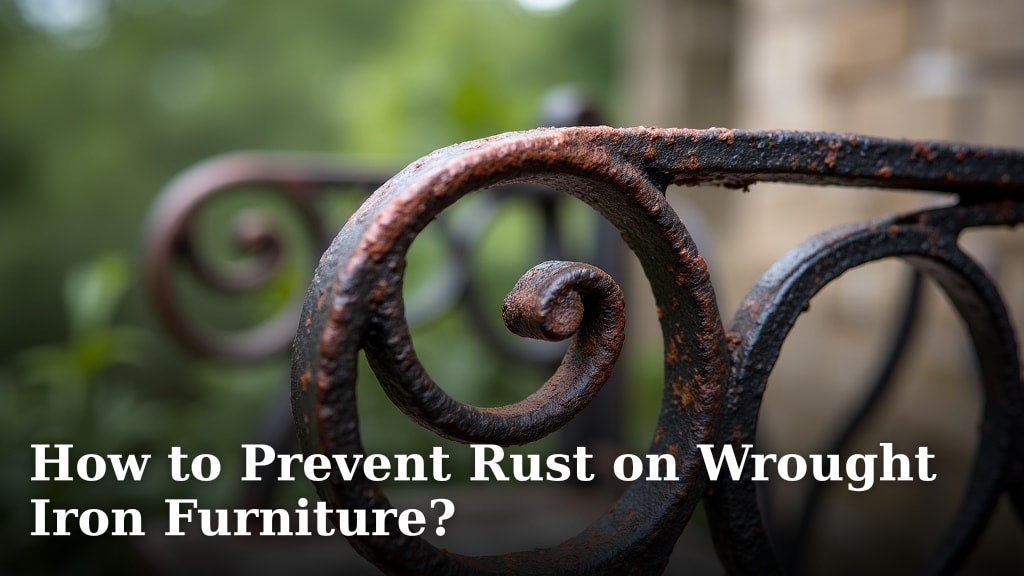
On the other hand, materials like natural wood (especially untreated), wrought iron, and certain fabrics need extra attention. Wood can warp or crack, iron can rust, and fabrics can develop mildew. For these items, moving them or using covers is almost always a must.
Here’s a quick look at how common patio furniture materials react to rain:
| Material Type | Rain Resistance | Best Rain Action |
|---|---|---|
| Aluminum | High (Rust-proof) | Minimal, but covers extend lifespan |
| Synthetic Wicker | High (Water-resistant) | Minimal, covers for heavy downpours |
| Plastic/Resin | Very High (Waterproof) | None usually needed, but covers for cleanliness |
| Teak Wood | Moderate (Natural oils) | Covers for prolonged rain, occasional sealing |
| Steel/Wrought Iron | Low (Prone to rust) | Always cover or move, regular anti-rust treatment |
| Natural Rattan | Very Low (Absorbs water) | Must move indoors or use waterproof covers |
When the Rain Stops: Post-Rain Care Tips
The rain has passed, the sun is out again. Now what? Your job isn’t quite finished! Post-rain care is just as important as pre-rain protection. For more detail, see our guide to rain effects on patio furniture. It ensures your furniture dries properly and stays in tip-top shape. Many experts advise swift drying to prevent lasting damage.
-
Wipe Down Surfaces: Even “waterproof” items can collect puddles. Wipe down tables, chair arms, and frames to remove standing water.
-
Dry Cushions Thoroughly: If cushions got wet, stand them up or hang them in a sunny, breezy spot. Make sure they are completely dry before storing or putting them back in place. Trapping moisture can certainly lead to mold and odors (textile care research).
-
Check for Rust: For metal frames, inspect for any signs of rust, especially in joints or corners. Address small spots early with a wire brush and rust-inhibiting paint. This helps to stop rust from spreading and causing more damage.
-
Clean Off Debris: Rain can bring leaves, dirt, and other debris onto your furniture. Give it a quick clean to keep it looking fresh and ready for use. A simple hose-off can often do the trick for certain materials, followed by wiping dry.
Long-Term Strategies for Rain Protection
Protecting your patio furniture from rain isn’t just about reacting to a storm. It’s also about having a long-term plan. Thinking ahead can save you time, money, and lots of hassle down the road. We found that preventative measures are key for a durable outdoor setup.
Consider a Covered Patio Area
If you’re thinking about home improvements, a permanent cover for your patio is a fantastic solution. An awning, pergola with a solid roof, or a screened-in porch provides constant shelter. This offers round-the-clock protection from rain, sun, and even falling leaves.
Regular Cleaning and Maintenance
A clean piece of furniture is a protected piece of furniture. Dirt and grime can trap moisture, leading to issues like mildew or corrosion. Regular cleaning, along with applying sealants for wood or rust protectors for metal, creates a stronger barrier against rain. This sort of maintenance extends the life of your furniture by years.
Smart Storage During Off-Season
When colder, wetter months arrive, consider storing your patio furniture. A garage, shed, or basement is ideal. If indoor storage isn’t an option, use heavy-duty, breathable furniture covers that can withstand prolonged exposure. Proper storage is often cited as the most effective long-term protection (Furniture Industry Association).
Checklist for Rainy Weather Preparedness
Staying ready means less scrambling when the clouds gather. Here’s a quick checklist to help you prepare your patio furniture for rain:
- Have waterproof covers readily accessible.
- Identify which items are easiest to move indoors.
- Know which furniture materials are most vulnerable to rain.
- Establish a habit of tilting cushions before rain.
- Plan a post-rain drying and cleaning routine.
The Upside of Caring for Your Outdoor Space
It might seem like a lot of effort, constantly watching the weather and moving things around. But think about the alternative. Replacing rusted, warped, or mildewed furniture can be expensive and frustrating. A little care means your outdoor oasis remains a beautiful, functional space for relaxation and enjoyment. It truly is about getting the most from your investment.
Conclusion
Dealing with patio furniture when it rains doesn’t have to be a chore. By understanding your materials, having the right covers ready, and taking a few quick actions, you can significantly prolong the life and beauty of your outdoor pieces. Remember, a little preparation goes a long way in keeping your patio an inviting haven, rain or shine. Embrace these practical tips, and you’ll find your furniture stays ready for any weather.
What kind of patio furniture can be left out in the rain?
Patio furniture made from durable, weather-resistant materials such as aluminum, synthetic wicker, recycled plastic, and poly-lumber can generally be left out in the rain without significant damage. These materials are designed to resist rust, rot, and water absorption.
How do I protect patio cushions from rain?
To protect patio cushions from rain, always bring them indoors or store them in a waterproof deck box. If a sudden shower occurs, quickly cover them with waterproof covers or at least stand them on their side to help water drain away and prevent pooling.
Can wood patio furniture stay in the rain?
Some wood patio furniture, like teak, has natural oils that offer moderate resistance to rain. However, for most woods, prolonged exposure to rain can cause warping, cracking, or mildew. It’s always best to cover wood furniture or move it to a sheltered spot during rain for long-term preservation.
How often should I clean and treat my patio furniture for rain protection?
We found that cleaning patio furniture at least once or twice a season is a good practice. Applying sealants for wood or rust-inhibiting treatments for metal should be done annually or as recommended by the manufacturer, typically before the wettest season begins.
Are breathable covers better than non-breathable ones for rain protection?
Yes, breathable furniture covers are generally better. While both offer rain protection, breathable covers help prevent moisture buildup underneath, which can lead to mold and mildew. This is especially important if furniture is covered for extended periods, as it allows air circulation.