
How To Protect Patio Furniture From Rain?
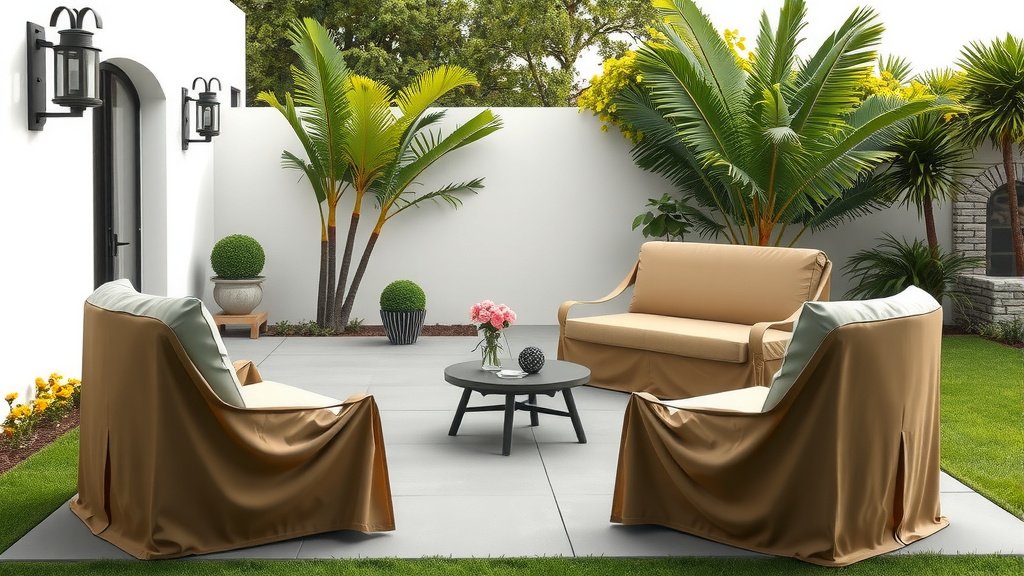
Protect your patio furniture from rain by consistently using custom-fit, waterproof covers, or by moving lighter pieces into sheltered areas like a garage or covered porch during wet weather.
Regular maintenance, selecting water-resistant materials, and applying protective sealants also significantly extend the life and beauty of your outdoor living space, guarding against moisture damage.
Too busy to read it all? We get it! Here’s the quick scoop on keeping your patio furniture safe from the rain:
- Always use high-quality, waterproof covers when not in use.
- Store smaller items in a garage or shed during heavy downpours.
- Choose patio furniture made from weather-resistant materials like aluminum or synthetic wicker.
- Apply fabric protectors and wood sealants to add an extra layer of defense.
- Consider awnings or pergolas for overhead protection.
How To Protect Patio Furniture From Rain?
Safeguarding your outdoor furniture from rain means combining smart choices with consistent care. The best approach involves both immediate protection and long-term prevention.
The Rain’s Relentless Attack on Your Patio Furniture
Rain is wonderful for your garden, but it can be a real enemy for your outdoor furniture. Think of it like leaving your favorite shoes out in a storm; they won’t last long, right? Your patio pieces face the same challenge.
The Silent Damage Rain Causes
Moisture can cause various issues. For metal, it leads to rust. Wood can warp, crack, and grow mildew. Fabrics fade, develop unsightly mold, and weaken over time. We found that even a light shower can start this slow decay (NIH).
Quick Fixes: Covers and Storage
When the sky darkens, what’s your first line of defense? Covers! These are the simplest and often the most effective way to shield your furniture.
Choosing the Right Patio Furniture Covers
Not all covers are equal. You want something breathable yet waterproof. A cover that traps moisture underneath can cause more harm than good. Look for features like vents and secure straps.
What Makes a Good Cover?
A good cover fits snugly, but not so tight it can’t breathe. It should be made from durable, waterproof fabric, often a treated polyester. Experts often recommend covers that are UV-resistant too, as sun damage also weakens materials (Consumer Reports).
Here’s a quick checklist for choosing the perfect cover:
- Waterproof material
- UV protection
- Breathable vents
- Secure tie-downs or straps
- Correct size for your furniture
When to Store Your Furniture
For smaller items like cushions, decorative pillows, or folding chairs, storage is often better than covering. Have a storage bench, deck box, or a dedicated shed ready. It’s like putting your valuables in a safe when you leave home.
Material Matters: Furniture Choices for Wet Climates
Prevention starts when you buy your furniture. Choosing the right materials for your climate can save you a lot of future hassle.
Water-Resistant Materials
Some materials naturally stand up to rain better than others. Think about options like synthetic wicker, aluminum, or certain treated woods. These are like wearing a raincoat instead of a cotton shirt in a downpour.
Materials to Be Wary Of
Unprotected steel can rust quickly. Untreated natural wicker or certain softwoods can absorb water and degrade fast. Are you aware of what your furniture is made from?
Let’s look at some common patio furniture materials and their rain resistance:
| Material Type | Rain Resistance | Tips for Protection |
|---|---|---|
| Aluminum | High | Needs powder coating for best rust prevention. |
| Synthetic Wicker (Resin) | High | Easy to clean, UV-resistant is key. |
| Teak Wood | High (natural oils) | Minimal care, can grey over time without sealing. |
| Cedar/Redwood | Moderate | Benefits greatly from sealants and covers. |
| Wrought Iron | Low to Moderate | Requires regular rust-proof painting/sealing. |
| Cushions (fabric) | Low (unless treated) | Always cover or store during rain. |
Treatments and Sealants for Added Defense
Even weather-resistant furniture can benefit from an extra layer of armor. Think of these treatments as a shield against the elements.
Fabric Treatments
For your cushions and outdoor fabrics, a water-repellent spray can be a game-changer. These sprays create a barrier, causing water to bead up and roll off rather than soaking in. Many manufacturers recommend reapplication every season (Dupont research found this extends fabric life).
Wood Sealants and Finishes
If you have wooden furniture, a good sealant is essential. This could be an oil, stain, or varnish. It penetrates the wood, protecting it from moisture absorption and UV rays. A well-sealed piece of wood is much less likely to warp or crack.
Metal Protection
For metal furniture, especially iron or steel, rust is a primary concern. Apply a rust-inhibiting primer and then a weather-resistant paint. Check for scratches or chips regularly, as these are weak points where rust can begin its attack.
Smart Placement and Drainage Solutions
Sometimes, the best protection isn’t a cover but where you put your furniture. Strategic placement can naturally reduce rain exposure.
Under Cover: Awnings and Pergolas
Consider adding a permanent structure to your patio. An awning, pergola, or even a large patio umbrella offers constant overhead protection. This is like having a permanent roof over your outdoor room, ready for any sudden shower.
Elevation and Airflow
Make sure your furniture isn’t sitting in puddles. Furniture with legs that lift it slightly off the ground allows water to drain away. Good airflow around and under your furniture also helps it dry faster after any rain exposure, preventing mildew growth.
Routine Maintenance: Your Best Defense
Protecting your patio furniture isn’t a one-time task. It’s an ongoing commitment, like maintaining your car or your garden. Small, regular actions make a big difference.
Regular Cleaning
Dirt, dust, and pollen can hold moisture against your furniture’s surfaces, creating a breeding ground for mold and mildew. A simple wipe-down with mild soap and water can remove these culprits. We often forget how important basic hygiene is for furniture.
Winterizing Your Patio
When the cold, wet season arrives, your protection strategy needs to step up. This is when covers are non-negotiable, and storage becomes even more important. Don’t leave your furniture exposed to the harsh winter elements.
Conclusion
Protecting your patio furniture from rain is simpler than it seems when you have a plan. By combining smart material choices, consistent use of covers, strategic placement, and regular maintenance, you can ensure your outdoor living space remains beautiful and functional for many seasons to come. Your furniture is an investment; take good care of it, and it will keep giving back.
FAQs
What materials are best for patio furniture in rainy climates?
For rainy areas, materials like powder-coated aluminum, synthetic resin wicker, and naturally weather-resistant woods such as teak are often the best choices due to their inherent resistance to moisture and rust.
How often should I reapply waterproofing spray to my outdoor cushions?
Generally, you should reapply waterproofing spray to your outdoor cushions at the beginning of each patio season, or more frequently if your cushions are exposed to very heavy rain or constant sunlight.
Can rain damage plastic patio furniture?
While plastic patio furniture is quite water-resistant and won’t rust or rot, prolonged exposure to rain combined with UV rays can make it brittle over time, leading to cracks or fading. Cleaning it regularly helps.
Is it better to cover furniture or store it during winter?
For optimal protection during winter, storing your patio furniture in a dry, sheltered area like a garage or shed is always preferred. If storage isn’t possible, investing in high-quality, breathable, and waterproof covers is the next best option.
How do I prevent mildew on patio furniture cushions after rain?
To prevent mildew, ensure cushions dry completely after rain by standing them on edge or elevating them for better airflow. Using water-repellent sprays and storing them in a dry place when not in use also helps immensely.
