How To Care For Wood Patio Furniture?
To care for wood patio furniture, regularly clean it with mild soap and water, then rinse thoroughly. For finish choices, see our guide to treating wood patio furniture. Apply a protective sealant or oil at least once a year to guard against moisture and UV damage, keeping your wood patio furniture looking great.
Taking good care of your outdoor wood furniture isn’t just about making it look nice; it’s about making it last! Here’s the quick take:
- Regular cleaning is your first line of defense against dirt and grime.
- Protecting the wood with oils or sealants prevents weather damage.
- Storing it properly during harsh seasons dramatically extends its life.
- Addressing small issues quickly stops them from becoming big problems.
- Understanding your wood type helps you choose the best care products.
How To Care For Wood Patio Furniture?
Caring for your wood patio furniture involves routine cleaning and applying protective finishes to shield it from the elements. This prevents common issues like fading, cracking, and rot, ensuring your outdoor pieces remain beautiful for years.
Your beautiful wood patio furniture isn’t just a place to relax; it’s an investment in your outdoor living space. Think of it like a good friend; it needs a little attention to stay happy and healthy. The sun, rain, and changing seasons can be tough on wood. So, how do we keep it looking fantastic?
Understanding Your Wood Type Matters
Before you even grab a sponge, do you know what kind of wood your furniture is made from? Different woods have different needs. Teak, cedar, and eucalyptus are popular choices for outdoor furniture because they naturally resist rot and pests due to their oils. Pine or acacia, while lovely, might need a bit more help to stand up to the weather. Knowing your wood helps you pick the right care strategy (Outdoor Living Today).
Teak, Cedar, and Eucalyptus: The Self-Protectors
These woods are like nature’s superheroes. Teak, for instance, contains natural oils that make it incredibly durable outdoors. Our guide to caring for teak wood explains its upkeep. You might notice it turning a silvery-gray patina over time; this is a natural process and doesn’t hurt the wood. Many people actually prefer this look! However, if you like the original warm brown, you will need to take extra steps.
Pine, Acacia, and Other Woods: Needing a Helping Hand
These woods are still wonderful for patios but require more vigilance. They are often treated or painted before you buy them. Their protection might wear off faster, leaving them vulnerable to moisture and UV rays. Regular sealing is key here to maintain their strength and appearance.
The Golden Rule: Regular Cleaning
Imagine going months without showering. Not great, right? Your furniture feels the same! Dirt, pollen, and environmental buildup can trap moisture and promote mildew. This means routine cleaning is non-negotiable.
We found that a simple cleaning regimen makes a big difference. You don’t need fancy tools. A bucket of warm water, a mild dish soap, and a soft-bristle brush or sponge are usually all you need. Gently scrub the surfaces, paying attention to any stubborn spots. Rinse thoroughly with a garden hose, making sure no soap residue remains. Let it air dry completely in the sun.
Protection is Paramount: Sealing and Oiling
Once your furniture is clean and dry, it’s time to shield it from the elements. Learn more about protecting wood patio furniture. This is where sealants and oils come into play. They act like a raincoat for your wood, repelling water and blocking harmful UV rays.
When to Oil Wood Furniture
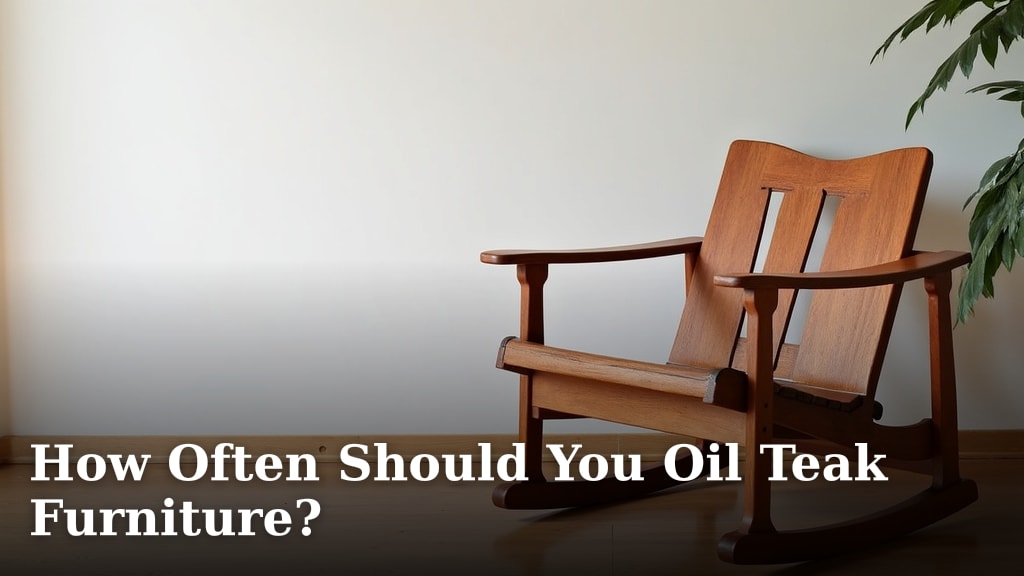
For woods like teak or eucalyptus, applying a specialized wood oil can replenish their natural oils. This helps them retain their rich color and prevents drying and cracking. Many experts say to oil your furniture once or twice a year, especially at the start and end of the patio season. Just wipe it on with a cloth, let it soak in, and then wipe off any excess. It’s like giving your furniture a deep conditioner.
When to Seal Wood Furniture
For woods that don’t have as many natural oils, like acacia or pine, a sealant is often a better choice. Sealants create a protective barrier on the wood surface. These can be clear or tinted, depending on the look you want. We found that a good quality sealant can offer protection for a whole year. Apply it evenly with a brush or cloth, following the product’s instructions. Always make sure the wood is clean and dry before sealing.
Addressing Common Issues Head-On
Even with the best care, sometimes things happen. Don’t panic! Most common wood patio furniture problems are fixable if you act quickly.
| Issue | What it Looks Like | Quick Fix |
|---|---|---|
| Mildew/Mold | Black or green spots, fuzzy texture | Scrub with water, mild soap, and a splash of vinegar. Rinse well. |
| Water Stains | Dark rings or spots from glasses/spills | Light sanding (fine-grit), then re-oil or reseal the area. |
| Cracks/Splits | Small lines in the wood grain | Fill with wood glue or epoxy, then sand and reseal. |
| Fading/Graying | Loss of original color, silvery hue | Clean, then apply a wood brightener or stain, followed by a sealant. |
Seasonal Care and Storage Tips
Your furniture might love summer, but winter can be a real challenge. Proper seasonal care ensures longevity.
- Before storing: Give your furniture a thorough cleaning and reapply any necessary oils or sealants.
- During storage: Move furniture indoors to a garage, shed, or basement if possible. This offers the best protection from harsh winter elements. If indoor storage isn’t an option, use high-quality, breathable furniture covers. These prevent moisture buildup while still protecting from snow and ice.
- Off the ground: Always try to keep your furniture off damp ground, even in storage. Use wood blocks or furniture risers.
A Quick Checklist for Lasting Beauty
Here’s a simple checklist to keep your wood patio furniture in top shape:
- Clean regularly with mild soap and water.
- Apply wood oil or sealant annually.
- Inspect for damage like cracks or mildew.
- Address any issues promptly.
- Store indoors or cover during off-season.
- Keep furniture off damp ground.
Little Nudges for Longer Life
Remember that tiny scratch you ignored on your car? It often turns into a bigger problem. The same goes for your patio furniture. Those little dings, fading spots, or beginnings of mildew are like whispers. Listen to them! A quick touch-up or clean now saves a lot of work later. It’s all about being proactive, not reactive.
Conclusion
Caring for your wood patio furniture isn’t a monumental task; it’s a simple act of maintenance that yields huge rewards. With regular cleaning, appropriate protection from oils or sealants, and smart seasonal storage, your outdoor pieces will not only survive the elements but truly thrive. Think of it as investing time in your relaxation, ensuring those cherished moments on your patio are always surrounded by beauty and comfort. A little effort truly makes your wood furniture a lasting centerpiece of your outdoor haven.
How often should I clean my wood patio furniture?
You should clean your wood patio furniture at least once a month during the peak season and thoroughly at the beginning and end of each patio season. This routine prevents dirt and grime from building up and causing damage.
Can I use a power washer on wood patio furniture?
It’s generally not recommended to use a power washer on wood patio furniture. The high pressure can damage the wood fibers, leading to splintering or etching the surface. A soft brush or sponge with a garden hose is much safer.
What’s the difference between wood oil and wood sealant for outdoor furniture?
Wood oil penetrates the wood to replenish natural oils, enhancing its color and flexibility, often used for dense woods like teak. A wood sealant forms a protective barrier on the surface, guarding against moisture and UV rays, suitable for many wood types and often longer-lasting than oil alone.
How do I prevent my wood patio furniture from turning gray?
To prevent wood patio furniture from turning gray, especially teak, regularly apply a UV-protective wood oil or sealant. If it has already grayed, you can use a wood brightener product, followed by re-oiling or sealing, to restore its original color.
Is it okay to leave wood patio furniture uncovered in the rain?
While some naturally resistant woods like teak can tolerate occasional rain, it’s best to protect all wood patio furniture from prolonged exposure to moisture. Constant wetting and drying cycles can lead to cracking, warping, or mildew. Using covers or storing furniture indoors during heavy rain extends its lifespan.