How To Winterize A Sliding Patio Door?
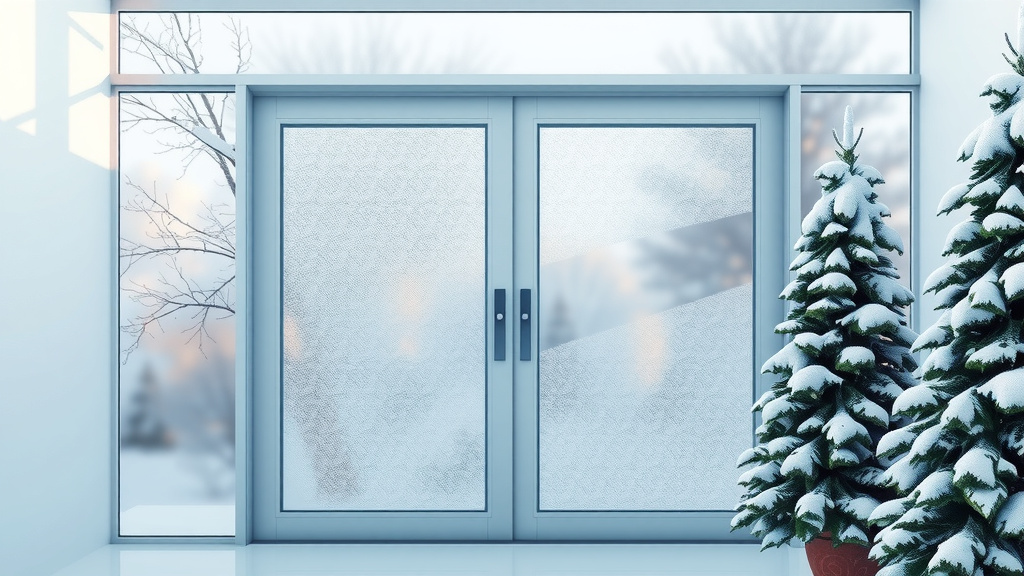
To winterize a sliding patio door, you should clean the tracks, inspect and repair weatherstripping, seal any visible gaps with caulk or foam, and consider adding insulation film or heavy curtains.
These steps help prevent drafts, improve energy efficiency, and protect your home from harsh winter weather.
- Get ready for winter by inspecting your sliding patio door.
- Clean the tracks thoroughly to ensure smooth operation and a tighter seal.
- Check and replace worn-out weatherstripping to stop drafts.
- Seal any cracks or gaps around the door frame with caulk or weatherseal foam.
- Consider adding insulating film or heavy drapes for extra warmth.
How To Winterize A Sliding Patio Door?
Winterizing a sliding patio door involves a series of maintenance steps designed to seal out cold air and keep your home warm. This process helps you save on heating costs and prevents potential damage to your door from freezing temperatures.
Why Winterize Your Patio Door?
Have you ever felt a chilly draft near your patio door in winter? It is not just uncomfortable; it also costs you money. Winterizing your sliding door can significantly reduce heat loss and prevent energy waste. We found that a well-sealed door can make a big difference.
Early Signs of Trouble
Before the cold truly sets in, take a moment to observe your door. Do you hear whistling sounds during windy days? Do you feel cold air sneaking in when you stand nearby? These are clear indicators that your door needs some attention before winter arrives in full force.
Gathering Your Supplies
Preparation is key, right? Before you begin, gather the right tools. You will likely need cleaning supplies, new weatherstripping, caulk, a caulk gun, perhaps some foam insulation, and a utility knife. Having everything ready makes the job much smoother.
Start with a Good Cleaning
A surprising amount of debris can collect in your door tracks. Dirt, leaves, and pet hair can all get in the way of a proper seal. Many experts recommend giving the tracks a thorough cleaning first, as this alone can improve door function (National Association of Home Builders).
- Vacuum out loose debris from the tracks.
- Use a stiff brush or old toothbrush for stubborn dirt.
- Wipe down the tracks with a damp cloth and mild soap.
- Rinse and dry completely before proceeding.
Checking the Weatherstripping
The weatherstripping around your sliding door is your first line of defense against drafts. Is it cracked, brittle, or missing in places? Gently run your hand along it to feel for any gaps or worn areas. This is a common spot for cold air to enter.
Sealing Gaps and Cracks
Look closely at the door frame and where it meets the wall. Tiny cracks can allow a surprising amount of cold air inside. You can use exterior-grade caulk to seal these small openings. For larger gaps, expanding foam insulation might be a better choice. Just remember, a little goes a long way with foam.
Adjusting the Door for a Tighter Fit
Sometimes, a sliding door just needs a slight adjustment to fit more snugly. Your door might have adjustment screws on the rollers or hinges. Consult your door’s manual or look for online guides specific to your door model. A correctly aligned door closes with minimal gaps.
Considering a Draft Stopper
A simple, yet effective solution for drafts at the bottom of your door is a draft stopper. You can buy these or even make one yourself from a rolled-up towel. It is an easy way to block air that might seep through the bottom edge.
Applying Insulation Film Kits
Insulation film kits are a popular DIY option for extra warmth. These plastic films shrink tight with a hairdryer, creating an extra layer of insulation. We found that these kits are affordable and relatively easy to install, creating a noticeable difference in room temperature.
The Power of Heavy Curtains
Do not underestimate the insulating power of heavy curtains or thermal drapes. They act as an additional barrier against the cold outside. Pulling them shut at night can keep a significant amount of warmth inside your room. Plus, they add a nice touch to your decor.
Lubricating Moving Parts
For smooth operation and to help maintain a good seal, lubricate the rollers and tracks. A silicone-based lubricant works well, as it repels moisture and prevents rust. This step also helps reduce wear and tear on your door’s components, making it easier to open and close.
Checking Door Drainage
Patio doors often have tiny drainage holes at the bottom of the track to let water out. Make sure these are clear of debris. Blocked drainage can lead to water pooling, which might freeze and expand, potentially causing damage to your door components.
| Material | Purpose | Best Application |
|---|---|---|
| Weatherstripping | Blocks air leakage around door edges | Gaps between moving door and frame |
| Exterior Caulk | Seals small cracks and gaps | Around door frame where it meets wall |
| Insulation Film | Adds an extra insulating layer | Over glass panels |
| Draft Stopper | Prevents air from under the door | Bottom of the door |
| Silicone Lubricant | Ensures smooth roller operation | Door rollers and tracks |
When to Call a Professional
Sometimes, a DIY fix just will not cut it. If your door is severely warped, has broken glass, or you cannot seem to eliminate persistent drafts, it is wise to call a professional. They can offer more lasting solutions or suggest a replacement. Many experts agree that major structural issues are best left to those with specialized tools and experience.
Your Winterization Checklist
Here is a quick overview to keep you on track:
- Inspect your door thoroughly for any visible issues.
- Clean tracks and ensure rollers move freely.
- Replace or repair old weatherstripping.
- Seal all cracks and gaps with caulk or foam.
- Add insulating film or use thermal curtains.
Conclusion
Winterizing your sliding patio door is a straightforward process that offers substantial benefits. It is all about taking a little time now to enjoy greater comfort and save on heating bills throughout the colder months. By following these steps, you are not just sealing out the cold; you are also protecting your home investment and creating a more inviting living space. Stay warm and cozy!
Can I use duct tape to winterize my sliding patio door?
While duct tape might seem like a quick fix, it is not recommended for long-term winterization. It can leave a sticky residue, look unsightly, and is not as effective as proper weatherstripping or caulk for creating a lasting seal against drafts.
How often should I check my sliding door’s weatherstripping?
It is a good idea to check your door’s weatherstripping annually, typically in the late fall before cold weather truly sets in. This allows you to identify and replace any worn-out sections before they cause issues.
Will winterizing my patio door help with summer heat?
Yes, many of the same steps that prevent cold air from entering in winter also help keep hot air out in summer. Sealing drafts and adding insulation can improve your home’s overall energy efficiency year-round, making it cooler in summer and warmer in winter.
Is it better to replace the entire door or just winterize it?
If your sliding patio door is relatively new and in good condition, winterizing it can significantly extend its lifespan and performance. However, if the door is old, severely damaged, or continuously allows drafts even after winterization efforts, replacing it with a new, energy-efficient model might be a more cost-effective long-term solution.
Can a dirty track cause drafts in my sliding patio door?
Absolutely! A track filled with dirt, debris, or pet hair can prevent the door from closing completely or sitting flush against the frame. This creates small gaps that allow cold air to seep into your home, making a thorough cleaning a crucial first step in winterization.