How To Replace Patio Furniture Fabric?
On this page (5 sections)
To replace patio furniture fabric, you typically measure the old fabric, choose a durable outdoor material, and carefully remove the existing upholstery.
Then, you cut the new fabric to size, sew it if necessary, and reattach it to the frame using staples, screws, or cording to refresh your patio furniture fabric.
- Refreshing your patio furniture is easier than you think.
- Measure carefully, choose weather-resistant fabric, and gather the right tools.
- Learn specific techniques for sling, cushion, and strap replacements.
- Save money and extend your outdoor furniture’s life with a DIY approach.
- Enjoy a fresh, personalized outdoor space tailored to your style.
How To Replace Patio Furniture Fabric?
Replacing patio furniture fabric involves removing the worn material, cutting new outdoor-grade fabric to size, and then attaching it securely to the furniture frame.
This straightforward DIY project can beautifully refresh your outdoor space and truly extend the life of your beloved pieces.
Why Bother Replacing Your Patio Fabric?
Are your once-vibrant patio cushions looking faded and tired? Is that sling chair starting to sag or show tears?
Replacing the fabric isn’t just about appearances; it’s a smart way to revitalize your outdoor living area without buying new furniture.
More Than Just Looks
Beyond aesthetics, new fabric brings back the comfort and durability you expect from patio furniture.
It’s a chance to prevent further wear and tear, ensuring your outdoor relaxation spots remain inviting and sturdy for years.
Understanding Fabric Types: What Are You Replacing?
Patio furniture uses various fabric styles. Knowing which type you have helps you plan your replacement project effectively.
We typically find three main kinds: sling fabric, cushion covers, and webbing or straps.
Sling Fabric: A Common Challenge
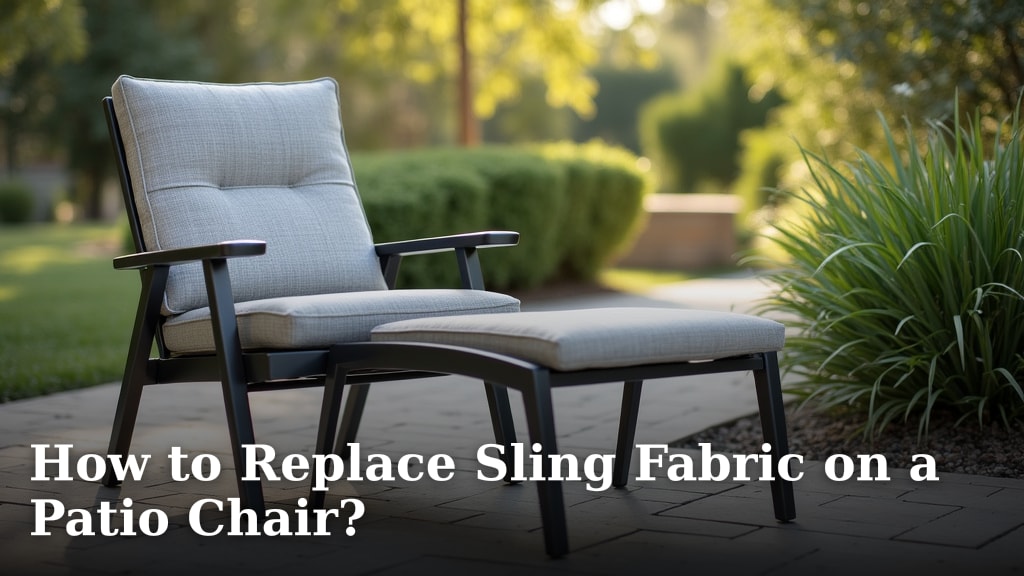
Sling chairs feature a single piece of fabric stretched taut across a frame, often with a spline inserted into grooves.
This type offers a clean, modern look and is common for dining chairs and chaise lounges.
Cushions: The Soft Touch
Cushions provide plush comfort and are easily removable. They usually consist of a foam insert covered by a zippered fabric case.
Replacing cushion fabric means making new covers that fit snugly over the existing foam.
Straps and Lacing: Detail Work
Some chairs use individual fabric or vinyl straps woven together to form the seating surface, or elastic lacing for support.
This method requires careful measurement and often specific hardware for attachment.
Getting Started: Your Essential Tool Kit
Before you begin, gather your tools. Having everything ready makes the process much smoother and more enjoyable.
You’ll find that a few simple items can make a big difference in the final quality of your work.
- Measuring tape or ruler
- Fabric scissors or rotary cutter
- Seam ripper (for cushion covers)
- Staple gun with outdoor-grade staples (for some applications)
- Screwdriver or drill (for removing frames/splines)
- Sewing machine (if creating new cushion covers or hemming)
- Utility knife (for cutting spline)
- Rubber mallet (for seating spline)
- New outdoor fabric (chosen for UV and weather resistance)
- Optional: new spline, outdoor thread, zippers, buckles
The Step-by-Step Process for Fabric Replacement
Replacing patio fabric might seem daunting, but breaking it down into manageable steps makes it surprisingly achievable.
Think of it as giving your furniture a much-needed spa day!
Step 1: Careful Disassembly and Measurement
First, gently remove the old fabric. For sling chairs, this might mean disassembling part of the frame or carefully pulling out a spline.
For cushions, simply unzip and remove the old cover. Measure the old fabric precisely to get the exact dimensions for your new pieces (NIH).
Step 2: Choosing Your New Outdoor Fabric
Selecting the right fabric is critical for longevity. We found that acrylic, PVC-coated polyester, and olefin are top choices for outdoor use.
These materials offer excellent resistance to UV rays, mildew, and fading, ensuring your furniture looks great for seasons to come (Mayo Clinic).
Step 3: Cutting and Preparing the Fabric
Lay your new fabric flat and carefully trace the dimensions of your old pieces. Remember to add a seam allowance if you’re sewing cushion covers or hems.
Cut slowly and accurately; precision here prevents frustration later.
Step 4: Reattaching the New Fabric
This step varies depending on your furniture type. Sling chairs often use a spline that slides into grooves on the frame, securing the fabric.
Cushions involve sewing new covers, while straps might need new rivets or screws.
| Furniture Type | Attachment Method | Key Considerations |
|---|---|---|
| Sling Chair | Spline insertion into frame grooves | Ensure fabric is taut and even before inserting spline. |
| Cushion Covers | Sewing zippers, ties, or Velcro | Accurate sewing for a snug fit over foam. |
| Strap/Webbing | Screws, rivets, or special clips | Measure each strap individually; consider stretch. |
Tips for a Smooth Reattachment
When reattaching, work from the center outwards if possible, or from one fixed point. This helps distribute tension evenly.
Gentle stretching can help eliminate wrinkles and create a professional finish.
Common Mistakes to Avoid
Even experienced DIYers can make small errors. We’ve found that rushing the measuring process is a common pitfall.
Another is choosing indoor-only fabric, which won’t withstand the elements.
Safety First: A Quick Checklist
Always prioritize safety when working with tools. A little caution goes a long way.
Here’s a simple checklist to keep in mind:
- Wear safety glasses when using staple guns or drills.
- Ensure a well-lit workspace to see clearly.
- Keep fingers clear of moving parts on sewing machines.
- Unplug electrical tools when not in use or changing accessories.
- Use sharp blades and scissors to avoid struggling or slips.
Conclusion
Replacing patio furniture fabric is a rewarding project that breathes new life into your outdoor living space.
With careful planning, the right tools, and a bit of patience, you can transform worn-out pieces into stylish, comfortable outdoor havens.
It’s an economical and personal way to enhance your home’s curb appeal and enjoyment.
FAQs
Can I use regular indoor fabric for patio furniture?
No, we strongly advise against using regular indoor fabric. Indoor fabrics typically lack the necessary UV resistance, water repellency, and mildew protection needed to withstand outdoor conditions, leading to quick fading and damage.
How long does outdoor fabric typically last?
The lifespan of outdoor fabric varies based on material quality, sun exposure, and maintenance. High-quality acrylics can last 5-10 years or more, while other synthetics might last 3-5 years. Regular cleaning helps extend its life.
Is it difficult to sew new cushion covers?
Sewing new cushion covers can be moderately challenging, especially if you’re a beginner. However, many basic cushion designs are straightforward rectangles or squares. Tutorials and simple patterns make it much more manageable.
What if my sling chair frame is damaged? Can I still replace the fabric?
It depends on the extent of the damage. Minor issues like loose screws or small dents can often be repaired. For significant structural damage, repairing the frame might be necessary before the fabric replacement. Always assess frame integrity first.
Where can I find suitable outdoor fabric?
You can find suitable outdoor fabric at specialty fabric stores, large craft stores, or online retailers specializing in outdoor upholstery materials. Look for terms like “marine grade,” “awning fabric,” or “patio fabric” to ensure durability.