How To Protect Patio Furniture From Rust?
You can protect patio furniture from rust by regularly cleaning it, applying protective coatings like wax or paint, and storing it away from harsh weather.
Choosing rust-resistant materials from the start also makes a big difference, giving your outdoor pieces a longer life.
- Keep your outdoor furniture clean and dry, wiping away any moisture promptly.
- Apply rust-proof paints or sealants to metal surfaces for an extra protective shield.
- Invest in quality furniture covers or move your items indoors during severe weather.
- Select naturally rust-resistant metals like aluminum or stainless steel when buying new pieces.
- Inspect your furniture regularly for any rust spots and treat them early to prevent further damage.
How To Protect Patio Furniture From Rust?
Protecting your patio furniture from rust means taking proactive steps, from smart material choices to consistent care and storage. You can keep your outdoor oasis looking great for years with a few simple habits.
Understanding Rust: The Enemy of Metal
What exactly is rust? Rust is simply iron oxide, a reddish-brown flaky coating that forms when iron or its alloys, like steel, are exposed to oxygen and moisture. It’s like nature’s way of slowly reclaiming metal, and it can weaken your furniture over time.
You might wonder why some metals rust faster than others. The truth is, it all depends on their composition and how they react with the elements. Humidity and rain are big culprits, always lurking to start the rusting process.
Choose Wisely: Rust-Resistant Materials Are Your First Defense
When you’re shopping for new patio furniture, the material choice is perhaps the most critical decision. Some metals are naturally more resilient than others. Why not start with furniture that fights rust from day one?
Aluminum: The Lightweight Champion
Aluminum is a top pick for outdoor furniture. It doesn’t rust because it doesn’t contain iron. Instead, it forms a natural, thin layer of aluminum oxide when exposed to air, which protects against corrosion (NIST).
This means your aluminum chairs and tables will stay beautiful without you needing to worry much about rust. Plus, it’s lightweight and easy to move, which is always a bonus.
Stainless Steel: Strong and Sleek
Stainless steel is another excellent choice, often used for its durability and modern look. It contains chromium, which creates a passive layer on the surface, preventing rust formation. Many experts agree it’s highly corrosion-resistant.
While often more expensive, stainless steel offers a long lifespan and minimal rust concerns. Just be aware that different grades exist, with some being more rust-resistant than others.
Wrought Iron and Steel: Care is Key
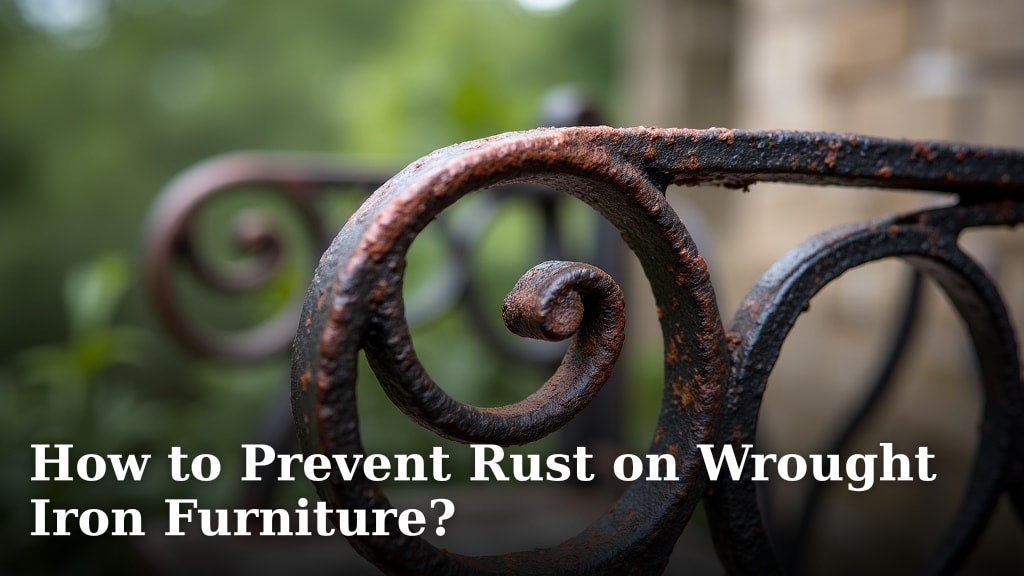
Wrought iron and regular steel furniture are beautiful and sturdy, but they are prone to rust. If you love their classic look, don’t worry. You can still enjoy them with the right protective measures, focusing on regular maintenance.
The Power of Coatings: Your Furniture’s Invisible Shield
Once you have your furniture, or if you already own pieces, coatings are your best friends. Think of them as a raincoat for your metal. They create a barrier that keeps moisture and oxygen away, stopping rust in its tracks.
Rust-Proof Paint: A Colorful Defense
Applying a high-quality rust-proof paint is an effective way to protect steel and wrought iron. Make sure to clean the surface thoroughly and prime it first. This provides a tough, durable layer that repels water.
You can find these paints in a variety of colors, letting you refresh your furniture’s look while adding protection. We found that two thin coats often work better than one thick one for optimal coverage.
Powder Coating: A Factory Finish
Many metal furniture pieces come with a powder-coated finish from the factory. This durable coating is applied as a dry powder and then baked on. It creates an incredibly tough and chip-resistant surface.
If your furniture has this finish, great! Just be gentle with it to avoid chipping, which can expose the bare metal underneath. A chipped surface is an open invitation for rust, so handle with care.
Wax and Sealants: Extra Layers of Protection
For an added layer of defense, especially on areas prone to wear, consider using automotive wax or clear metal sealants. These products can be applied periodically to create a water-repellent barrier. It’s like waxing your car, but for your furniture, keeping it shiny and safe.
Routine Maintenance: Simple Habits, Big Impact
Even the best coatings won’t last forever without a little help. Regular, simple maintenance can significantly extend the life of your furniture. Are you doing enough to keep rust away?
Cleanliness is Next to Rust-Free
Dust, dirt, pollen, and even bird droppings can hold moisture against metal surfaces, creating prime conditions for rust. Regularly wipe down your furniture with a soft cloth and mild soap. Rinse thoroughly and dry completely.
Don’t forget those nooks and crannies where water might collect. A quick wipe after a rain shower can make a real difference. Many experts suggest a weekly cleaning to prevent build-up.
Drying After Rain: A Crucial Step
Leaving water on metal is like sending an invitation to rust. After it rains, take a few minutes to wipe down your furniture. Pay attention to joints and crevices where water can pool, ensuring every part is bone dry.
Storage and Covers: Shielding from the Elements
When you’re not using your furniture, or when harsh weather is coming, proper storage and covers are vital. You wouldn’t leave your car unprotected in a hailstorm, would you? Treat your furniture with similar care.
Furniture Covers: Your Best Investment
High-quality, waterproof furniture covers are an absolute must. They protect against rain, snow, UV rays, and even dirt. Look for covers that are breathable to prevent condensation underneath, which could still lead to rust (Purdue Extension).
Make sure they fit snugly but aren’t too tight, allowing for some airflow. This keeps your furniture dry and protected year-round, especially in off-seasons. We found that investing in good covers saves money long-term.
Indoor Storage: The Ultimate Protection
If you have the space, storing your metal patio furniture indoors during the off-season or severe weather is the best option. A garage, shed, or basement provides a controlled environment, completely away from moisture. It’s the gold standard for protection.
Before storing, always clean and dry your furniture thoroughly. You might even consider a fresh coat of wax or sealant before putting it away. This ensures it’s ready for next spring, looking as good as new.
Dealing with Existing Rust: A Quick Guide
What if you already see a few rust spots? Don’t panic! Early intervention is key to stopping rust from spreading and damaging your furniture further. It’s like catching a cold early; you can treat it effectively.
Here’s a quick overview of how to tackle those pesky rust spots:
| Step | Description | Tools Needed |
|---|---|---|
| 1. Identify | Locate all rust spots, big or small. | Eyes, good lighting |
| 2. Clean | Remove loose dirt and grime from the area. | Soap, water, soft cloth |
| 3. Remove Rust | Gently scrub away surface rust. | Wire brush, sandpaper (fine-grit), steel wool |
| 4. Neutralize (Optional) | Apply a rust converter to chemically stop rust. | Rust converter product |
| 5. Prime | Apply a rust-inhibiting primer to bare metal. | Primer, brush/spray |
| 6. Paint/Seal | Finish with rust-proof paint or sealant. | Paint, brush/spray |
A Quick Checklist for Rust Prevention
- Regularly clean and dry all metal surfaces.
- Apply rust-resistant paint or sealants as needed.
- Use quality furniture covers when not in use.
- Store furniture indoors during harsh weather.
- Inspect furniture periodically for early signs of rust.
- Treat any rust spots promptly to prevent spreading.
Conclusion
Protecting your patio furniture from rust is a straightforward process when you know the steps. From choosing materials wisely to consistent cleaning, applying protective coatings, and smart storage, each action helps extend its lifespan. By staying proactive, you ensure your outdoor space remains beautiful and inviting for many years to come, letting you relax and enjoy without worry. Your furniture is an investment, and protecting it pays off.
Why does aluminum patio furniture not rust?
Aluminum patio furniture doesn’t rust because it doesn’t contain iron. Instead, it forms a protective layer of aluminum oxide when exposed to air, which naturally resists corrosion and keeps the metal intact. For care tips, see our guide to protecting aluminum furniture.
Can I use car wax to protect my metal patio furniture?
Yes, you can absolutely use car wax on your metal patio furniture. Automotive wax creates a water-repellent barrier, adding an extra layer of protection against moisture and helping to prevent rust formation.
How often should I clean my patio furniture to prevent rust?
Ideally, you should clean your patio furniture at least once a week during peak season to remove dirt and moisture-holding debris. After rain, a quick wipe-down is always a good practice to prevent water from pooling.
What is the best type of paint for rust protection on outdoor furniture?
The best type of paint for rust protection is a high-quality, rust-inhibiting exterior metal paint or an enamel paint designed for outdoor use. These paints create a durable, waterproof barrier against the elements.
Should I store my patio furniture during winter even if it’s rust-resistant?
Even rust-resistant furniture benefits greatly from indoor storage during winter. While it might not rust, it still protects against freezing temperatures, harsh winds, and heavy snow, extending its overall durability and appearance.