Are Outdoor String Lights Safe in the Rain?
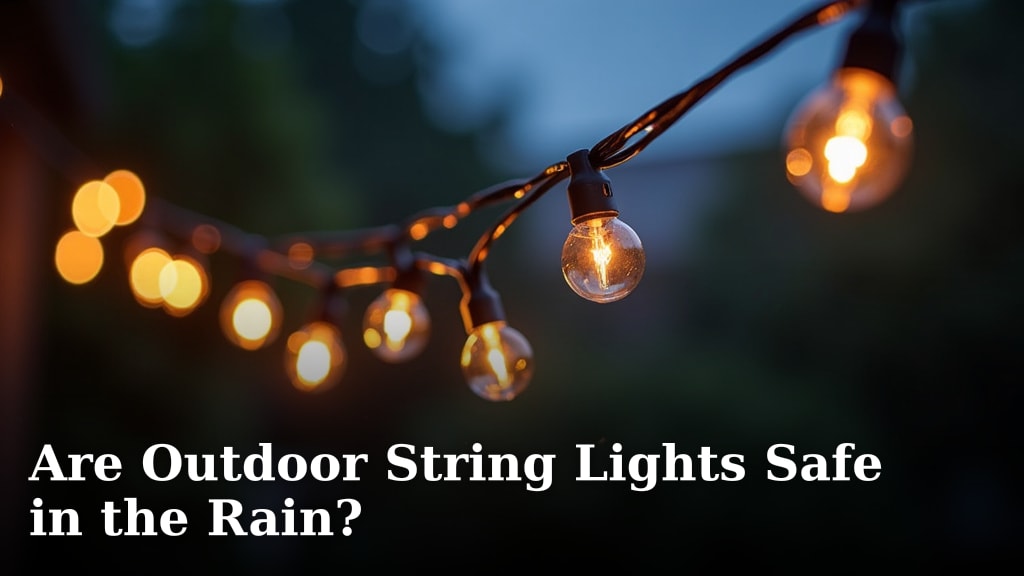
Yes, outdoor string lights can be safe in the rain, but it depends on their IP rating and how they are installed. You need lights specifically designed to withstand wet weather conditions.
If your string lights aren’t rated for outdoor use, water can cause electrical shorts or even a fire hazard. We found that choosing the right type of lights is key to keeping your home safe and beautiful.
- Always check for an IP rating when buying outdoor lights.
- IP44 or higher is generally good for outdoor use.
- Ensure all connections are sealed and protected from water.
- Use a Ground Fault Circuit Interrupter (GFCI) outlet.
- Avoid submerging non-submersible lights in puddles.
Let’s walk through everything you need to know about keeping your outdoor string lights safe and sparkling, even when the weather turns wet.
Keeping Your Outdoor String Lights Safe in Wet Weather
You want your outdoor spaces to be inviting and beautifully lit, even when it rains. The good news is that with the right planning, your string lights can withstand the elements. It all comes down to choosing the correct equipment and installing it properly. We’ve researched and found that understanding a few key concepts makes all the difference.
Understanding IP Ratings: Your First Line of Defense
What’s an IP rating, you ask? Think of it as a secret code that tells you how well something is protected from solids and liquids. For your outdoor string lights, this code is absolutely vital. It’s what separates a light that can handle a drizzle from one that can survive a downpour.
Decoding the IP Numbers
Every IP rating has two numbers. The first digit tells you about protection against solid objects, like dust or fingers. The second digit tells you about protection against liquids, specifically water. For outdoor lights, this second number is your best friend. A higher number means better water protection.
- First Digit (Solids Protection): Ranges from 0 (no protection) to 6 (dust-tight).
- Second Digit (Liquid Protection): Ranges from 0 (no protection) to 8 (submersible).
So, when you see “IP44,” it means the light is protected against objects larger than 1mm (like wires) and splashes of water from any direction. That’s a good start for general outdoor use. But is it enough for heavy rain?
What IP Rating Do You Need for Rain?
We found that for most outdoor string light applications where rain is a factor, you should aim for an IP rating of IP44 or higher. Let’s break down what different ratings mean for rain:
| IP Rating | Rain Protection Level | Best Use Case |
|---|---|---|
| IP44 | Splash-proof from any direction. | Covered patios, eaves, light rain. |
| IP54 | Dust protected and splash-proof. | Similar to IP44, with added dust protection. |
| IP65 | Dust-tight and protected against water jets. | Exposed areas, heavy rain, general outdoor. |
| IP67 | Dust-tight and protected against temporary immersion (up to 1 meter for 30 min). | Pond edges, ground lights, very exposed areas. |
| IP68 | Dust-tight and protected against continuous immersion (under specified conditions). | Underwater use (e.g., fountains, pools). |
For string lights that will be exposed directly to rain, an IP65 rating is ideal. This ensures they can handle strong rain showers without issues. An IP44 might be okay under an overhang, but it’s not truly rain-proof for exposed areas.
Choosing the Right Type of Outdoor String Lights
Beyond the IP rating, the overall construction of your string lights plays a big role in their durability. Not all outdoor lights are created equal. You’ll want to look for specific features that stand up to moisture and weather.
Material Matters: Bulbs and Cords
When selecting your lights, pay close attention to the materials used. This is often overlooked but is critical for long-term safety. Many experts say that commercial-grade lights offer superior protection.
- Bulbs: Look for bulbs made from durable, shatterproof plastic or tempered glass. These are less likely to break during installation or from impacts.
- Sockets: Ensure the bulb sockets have tight-fitting seals. Rubber or silicone gaskets around the bulb base are a good sign of water resistance.
- Cords: The cord itself should be thick and heavy-duty, designed for outdoor use. Check for insulation that resists UV rays and temperature changes.
Always verify that the entire string light set is rated for outdoor use, not just the bulbs. Sometimes, only the bulbs are outdoor rated, while the wiring is not.
Low Voltage vs. Standard Voltage Lights
You might wonder if the voltage makes a difference. It does! Low-voltage string lights (usually 12V or 24V) can be a safer option for outdoor use, especially near water. Why?
- Lower Risk: If there’s an electrical short, the lower voltage reduces the risk of serious shock or fire.
- Transformer Needed: These lights require a transformer to convert your home’s standard voltage to a lower, safer level. The transformer itself must be outdoor-rated.
Standard voltage (120V) lights are perfectly fine for outdoor use if they have the proper IP rating and are installed correctly. But for areas where moisture is a constant concern, low-voltage systems add an extra layer of safety.
Installation Best Practices for Rain Safety
Even the best outdoor lights can become unsafe if not installed correctly. Proper installation is just as important as choosing the right lights. A little extra effort upfront can save you headaches later.
Securing Connections and Outlets
Water loves to find its way into electrical connections. Your goal is to make it as difficult as possible. Many electrical safety guidelines highlight the importance of protecting every point of contact.
- Weatherproof Outlet Covers: Always use an outdoor-rated, “in-use” or “bubble” cover for any outdoor outlet. This cover shields the plug and receptacle from rain.
- Drip Loops: Create a “drip loop” with your power cord. This means letting the cord dip below the outlet level before going up to the outlet. Any water running down the cord will drip off the lowest point, not run into your outlet.
- GFCI Outlets: Plug your lights into a Ground Fault Circuit Interrupter (GFCI) outlet. This is non-negotiable for outdoor electrical safety (National Electrical Code). A GFCI outlet quickly cuts power if it detects a ground fault, preventing shocks. If you don’t have one, consider having an electrician install it.
- Tight Connections: Ensure all connections (bulb to socket, string to string) are tight and secure. Sometimes, a dab of dielectric grease can help seal connections, but always check the manufacturer’s recommendations first.
Mounting and Placement Considerations
Where and how you hang your lights also impacts their safety in the rain. Think about drainage and exposure. You want to minimize direct water contact wherever possible.
- Avoid Puddles: Never let string lights or their connections rest in puddles or standing water. This is a major electrical hazard, even for highly rated lights.
- Adequate Support: Use sturdy guide wires or clips to hang your lights. This prevents them from sagging and keeps them from touching surfaces that might accumulate water.
- Overhangs and Shelters: Whenever possible, position lights under eaves, pergolas, or other shelters. This provides a physical barrier against direct rainfall.
- Clearance: Ensure lights are not touching any metal surfaces or objects that could become electrified if there’s a fault. Maintain a safe distance from other structures.
Remember, wind can also whip rain into unexpected places. So, even under an overhang, good installation practices are still important.
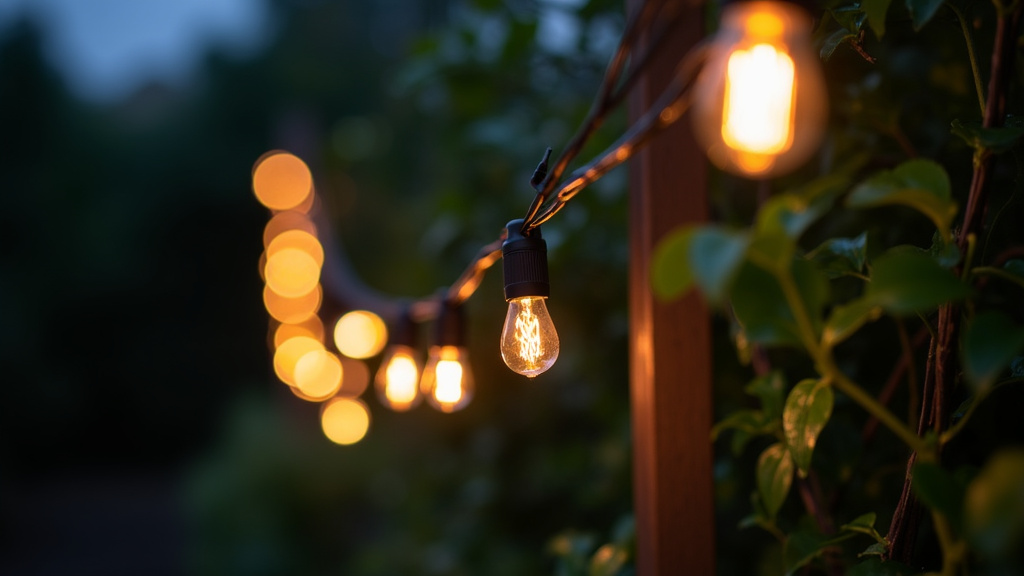
Ongoing Maintenance for Rainy Season Readiness
Your work isn’t done after installation. Regular checks can prevent small issues from becoming big problems, especially as the weather changes. We found that proactive maintenance greatly extends the life and safety of your lights.
Regular Safety Checks
Make it a habit to inspect your lights periodically, especially before and after heavy rain. This simple routine can prevent potential hazards.
- Check for Damage: Look for frayed cords, cracked sockets, or broken bulbs. Replace any damaged components immediately.
- Ensure Seals are Intact: Verify that all rubber gaskets and seals are still snug and haven’t dried out or cracked.
- Test GFCI: Press the “Test” button on your GFCI outlet monthly. It should trip, cutting power. Then press “Reset.” If it doesn’t trip, it needs replacement.
- Clear Debris: Remove any leaves, branches, or other debris that might be resting on your lights. This debris can trap moisture.
Catching these issues early means you can enjoy your lights worry-free, even when the clouds roll in.
When to Take Your Lights Down
Sometimes, despite all precautions, the best thing to do is remove your lights. This is particularly true for severe weather warnings.
- Severe Storms: If severe thunderstorms, hurricanes, or blizzards are forecasted, it’s wise to take down your string lights. High winds can damage them or rip them down.
- Prolonged Wet Periods: For lights with lower IP ratings (like IP44), prolonged periods of heavy, continuous rain might warrant temporary removal, especially if they are in an exposed area.
- Winter Storage: In colder climates, consider taking down lights during winter. Freezing and thawing cycles can be harsh on electrical components and cords.
When storing them, coil them neatly to prevent tangles and damage, and keep them in a dry place. This ensures they’re ready to sparkle again next season.
Conclusion
As we’ve researched and found, ensuring your outdoor string lights are safe in the rain boils down to smart choices and careful installation. You now understand the importance of IP ratings, selecting durable materials, and securing connections properly. Prioritizing safety by using GFCI outlets and regular maintenance will give you peace of mind.
You can create a beautiful, well-lit outdoor space that remains safe and sparkling, no matter the weather. Go ahead and transform your patio or garden with confidence, knowing you’ve taken the right steps to protect your home and loved ones.
Frequently Asked Questions
Can I leave all outdoor string lights out in winter?
Not necessarily. While some lights are rated for all-season use, freezing and thawing cycles can be very harsh on electrical components and cords. For lights with lower IP ratings, or in areas with severe winters, it’s often best to take them down and store them in a dry place.
What if my outdoor outlet isn’t GFCI protected?
If your outdoor outlet isn’t GFCI protected, you should have an electrician install one. For immediate safety, you can use a portable GFCI adapter that plugs into your non-GFCI outlet, providing protection for anything plugged into it.
How do I protect the light bulbs themselves from rain?
The best protection comes from choosing lights with shatterproof plastic bulbs or those with excellent IP ratings (IP65 or higher) that explicitly state rain resistance. For standard bulbs, ensuring they point downwards can help water drain off, but ultimately, the bulb’s construction and seal are key.
Is it okay if my string lights occasionally get splashed by a sprinkler?
Occasional splashes from a sprinkler are generally fine if your lights have at least an IP44 rating. However, continuous direct spray or submersion is different. For areas regularly hit by sprinklers, a higher IP rating like IP65 offers much better protection.
How often should I check my outdoor string lights for damage?
We recommend checking your outdoor string lights at least once a month, and always before and after any heavy rain or severe weather. This routine inspection helps you catch frayed cords, cracked sockets, or loose connections before they become hazards.