
Are Fire Pit Tables Safe on Wood Decks?
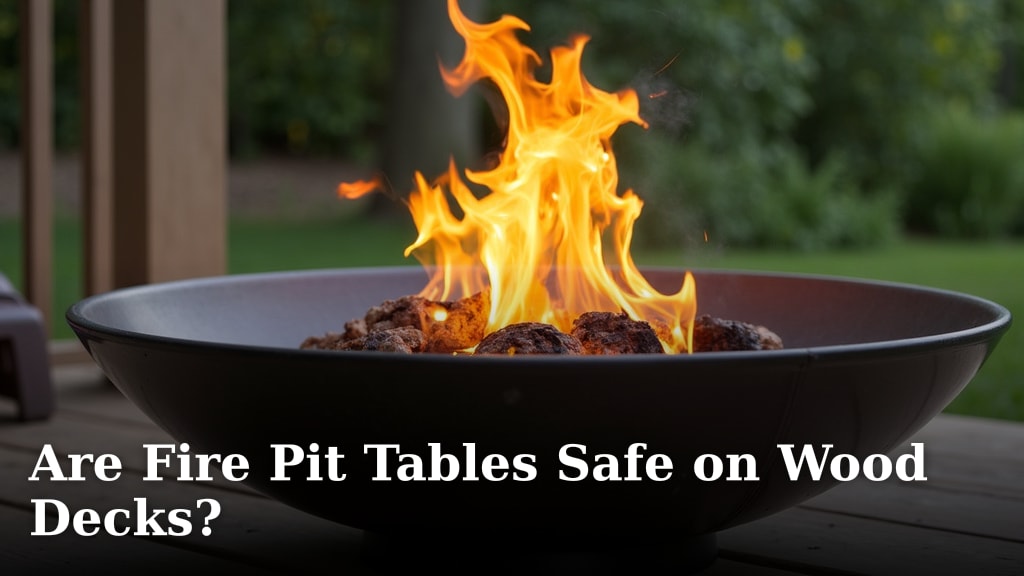
No, placing a fire pit table directly on a wood deck can be very dangerous and is generally not recommended. Wood decks are flammable surfaces. Heat from the fire pit can easily ignite the wood, causing a fire. Safety for your home and family is key.
You might be wondering if there’s a way to enjoy a fire pit on your deck without the fire risk. Many homeowners want the ambiance of an outdoor fire. We found that To learn more about the benefits and considerations, check out our guide to fire pit tables.proper precautions and specialized equipment are essential. You need to protect your deck from extreme heat and stray embers.
- Fire pits are generally unsafe directly on wood decks.
- Wood decks are highly flammable.
- Extreme heat and embers are fire hazards.
- Special safety measures are needed for deck use.
- Protecting your deck is crucial for enjoyment.
So, what can you do to safely use a fire pit table on your wooden deck? Let’s walk through the necessary steps and solutions to ensure your outdoor living space remains safe and enjoyable.
Understanding Fire Pit Table Safety on Wooden Decks
Placing a fire pit table on a wooden deck can be risky. Wood is combustible. We found that the main dangers are direct heat transfer and stray embers. These can quickly ignite your deck surface.
The Dangers of Direct Heat Transfer
Imagine setting a hot pan directly on a wooden table. The wood underneath gets hot, right? A fire pit is much hotter. The base of many fire pits can reach extremely high temperatures. This heat radiates downwards. It can scorch or ignite the wood beneath.
We found that even if a fire pit has a small gap beneath, radiant heat can still be a problem. Over time, constant exposure to heat can dry out wood. Dry wood ignites more easily. This is a subtle but serious risk. The National Fire Protection Association (NFPA) warns about heat transfer dangers.
Radiant Heat vs. Convective Heat
You might wonder about the difference. Radiant heat is like the warmth you feel from the sun. It travels through the air and warms objects it hits. Convective heat is heat transferred by moving air or liquids. For a fire pit, both are at play. The bottom radiates heat, and the flames create convective heat. Both can be hazardous to your deck.
The Risk of Stray Embers and Sparks
Even a contained fire pit can throw off sparks. A gust of wind can send a hot ember flying. If it lands on your wooden deck, it can start a fire. This is especially true for fire pits that use real wood. Propane fire pits have less of this risk but can still create small sparks.
We found that wind conditions are a major factor here. What seems like a calm evening can suddenly turn breezy. An unexpected gust can carry embers further than you think. Always be mindful of the wind direction and strength when using a fire pit.
Essential Precautions for Deck Fire Pit Use
If you really want a fire pit on your wooden deck, you need to take precautions. Think of it like wearing a helmet when you bike. You hope you don’t fall, but you prepare just in case. There are specific items and practices that can help keep your deck safe.
Choosing the Right Fire Pit
Not all fire pits are created equal. Some are designed with deck safety in mind. Look for models with You can find models designed with deck safety in mind among the best fire pit tables.elevated bases and heat shields. These features create a barrier between the heat source and your deck. They help dissipate heat before it reaches the wood.
- Propane vs. Wood-Burning: Propane fire pits are generally safer for decks. They produce less ash and fewer flying embers. Wood-burning fire pits have a higher risk of sparks.
- Integrated Heat Shields: Some fire pit tables have built-in heat shielding in their design. This is a major plus for deck use.
- Leg Height: The higher the fire pit is off the ground, the better. This allows more air circulation and reduces direct heat transfer.
Using a Fire Pit Pad or Mat
This is arguably the most important safety item. A fire pit pad, sometimes called a deck protector, goes directly under your fire pit. It’s designed to withstand extreme heat and block embers. We found that a good quality pad can make a huge difference.
When selecting a pad, look for one made from fire-resistant materials. Fiberglass or volcanic rock fiber are common choices. Ensure it’s large enough. It should extend beyond the base of your fire pit by at least a foot on all sides. This catches any rogue embers that might escape.
Maintaining Safe Clearances
Just like a fireplace, a fire pit needs space. You need to keep it away from anything flammable. This includes your house, deck railings, overhead structures, and patio furniture. The general rule of thumb is a 10-foot clearance from structures (Consumer Product Safety Commission).
Also, clear away any dry leaves, pine needles, or other debris from the deck area. These can easily catch fire from a stray spark. A clean deck is a safer deck.
Operating Your Fire Pit Table Safely
Beyond the equipment, how you use your fire pit matters. Good habits contribute significantly to safety. Think of it as a checklist before you light the fire.
Understanding Wind Conditions
Before you even think about lighting your fire pit, check the wind. High winds can easily carry embers. They can also make flames unpredictable. If it’s too windy, postpone your fire pit use. It’s not worth the risk. We found that wind speeds above 10 mph are often too high for safe use.
Keeping Water and a Fire Extinguisher Nearby
Always, always have a way to put out a fire close at hand. A bucket of water, a garden hose, or a fire extinguisher should be within reach. This allows you to quickly address any small flare-ups or ember issues. Don’t wait until a problem becomes a big problem.
Never Leave a Fire Unattended
This seems obvious, but it’s crucial. A fire should always be supervised. A sudden gust of wind, a curious pet, or a child could lead to trouble. If you need to step away, even for a moment, extinguish the fire first. Better safe than sorry, always.
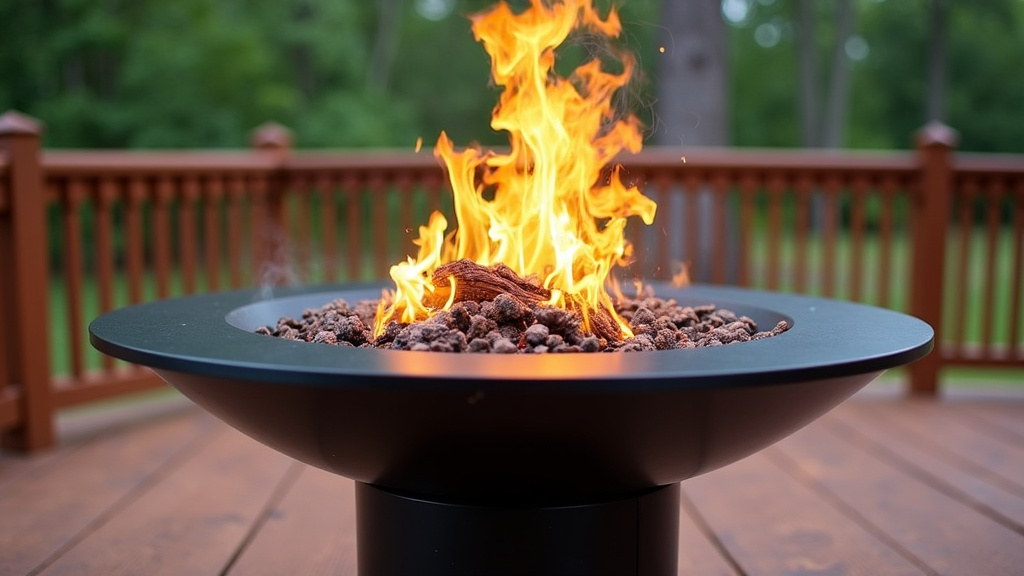
Safe Fire Pit Accessories and Setup Checklist
There are several accessories that can enhance safety. These aren’t just for convenience; they actively reduce risk. Consider these items part of your essential safety gear.
Spark Screens and Lids
A spark screen is like a dome that goes over your fire pit. It contains most of the sparks and embers. It’s an excellent barrier, especially for wood-burning pits. A lid is also useful for covering the fire pit when not in use or for quickly smothering flames.
For propane fire pits, a lid helps protect the burners from weather. It also prevents leaves or debris from accumulating. While they don’t block sparks from gas flames, they help maintain the unit’s condition.
Fire Pit Setup Checklist for Wooden Decks
Before you light that fire, run through this quick checklist. It will help ensure you’ve covered all your bases for a safe experience.
- Is your fire pit elevated with sufficient clearance from the deck surface?
- Have you placed a certified fire-resistant deck protector mat underneath?
- Is there a minimum 10-foot clearance from all flammable structures and items?
- Are you aware of the current wind conditions? Is it too windy for safe use?
- Do you have a water source or fire extinguisher readily available?
- Will the fire pit be continuously supervised while in operation?
Comparing Fire Pit Types and Safety Features
Let’s look at how different fire pit types stack up regarding deck safety. This can help you choose the best option for your home.
| Fire Pit Type | Deck Safety (Direct Heat) | Deck Safety (Embers/Sparks) | Overall Deck Recommendation |
|---|---|---|---|
| Wood-Burning (Low Base) | High Risk | High Risk | Not Recommended (without extreme caution) |
| Wood-Burning (Elevated) | Moderate Risk | Moderate-High Risk | Use with heat shield, mat, and screen |
| Propane/Natural Gas (Low Base) | Moderate Risk | Low Risk | Use with heat shield and mat |
| Propane/Natural Gas (Elevated) | Low Risk | Very Low Risk | Best Option (with mat for extra safety) |
As you can see, propane or natural gas fire pits with elevated bases are generally the safest choice for wooden decks. But even with these, a protective mat is still a wise addition. We found that adding layers of protection is key.
Conclusion
While using a fire pit table on a wood deck introduces risks, you can minimize them significantly with the right approach. Your safety, and that of your home, should always come first. By understanding the dangers of heat and embers, and by implementing proper precautions, you can create a safe environment. We’ve shown that selecting the correct fire pit type, using certified protective gear, and following safe operating procedures are essential.
You now have the knowledge to make informed decisions. Prioritize safety accessories like deck mats and spark screens. Always keep a watchful eye and have a fire extinguisher ready. Enjoy the warmth and ambiance of your fire pit responsibly, knowing you’ve taken every step to protect your deck and loved ones.
Frequently Asked Questions
Can I use a fire pit on a composite deck?
You should still use caution with composite decks. While composite materials are less flammable than wood, they can still melt or warp from direct, extreme heat. Always use a fire-resistant deck mat and maintain proper clearances, just as you would for a wood deck.
How far should a fire pit be from a house?
The Consumer Product Safety Commission recommends at least a 10-foot clearance from any structure. This includes your house, deck railings, and any overhead coverings. We found that giving your fire pit plenty of space is a crucial safety measure.
Are propane fire pits safer than wood-burning ones on a deck?
Yes, propane fire pits are generally safer for deck use. They produce fewer sparks and embers, which are major fire hazards. You still need a heat-resistant mat underneath and proper clearances, but the risk of stray embers igniting your deck is much lower.
What kind of mat should I use under my fire pit on a deck?
Look for a fire-resistant deck protector mat made from materials like fiberglass or volcanic rock fiber. It should be large enough to extend at least one foot beyond the fire pit’s base on all sides. This ensures any falling embers are caught safely.
Can I put a fire pit directly on grass or concrete?
You can generally place fire pits directly on grass or concrete, but there are still considerations. Grass can get scorched or die, and concrete can crack from extreme heat over time. For grass, consider a metal ring to contain the fire. For concrete, a heat-resistant mat can help protect the surface.
