
What Is Resin Wicker?
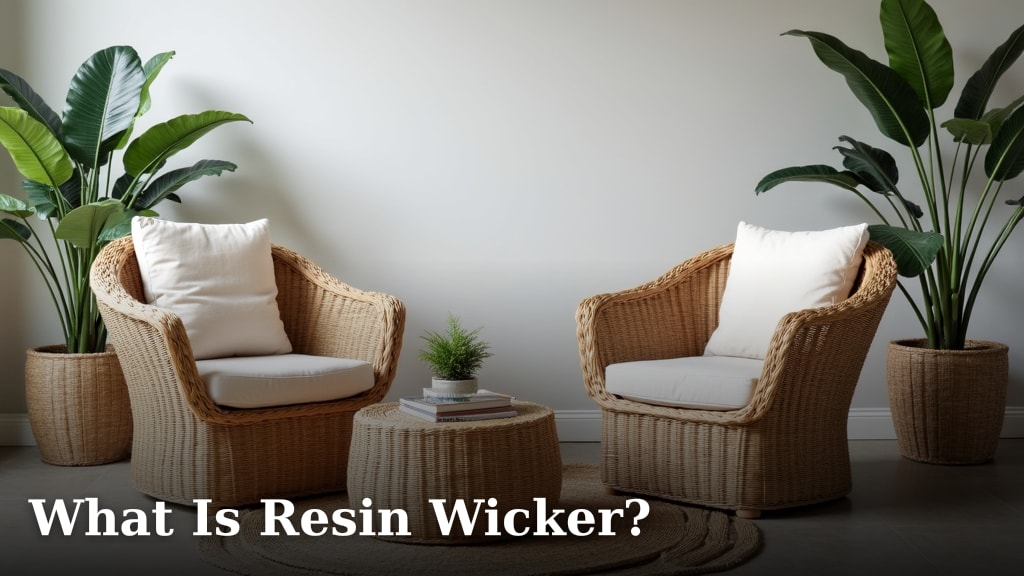
Resin wicker is a popular material for outdoor furniture. It’s a type of synthetic plastic that looks like natural wicker. You often see it on patios and decks.
This material is known for being very durable. We found it stands up well to different weather conditions. That’s why many people choose it for outdoor settings.
- It’s a synthetic material, not natural.
- It mimics the look of traditional wicker.
- It’s great for outdoor use.
- It resists weather damage.
Below, we’ll explain everything you need to know about resin wicker. You’ll learn what makes it so special and why it’s a fantastic choice for your home.
Understanding Resin Wicker
Resin wicker is a type of synthetic material. It’s designed to mimic the look of natural wicker. You’ll often find it used for outdoor furniture, like patio sets and lounge chairs.
This material is also called “all-weather wicker” or “polyethylene wicker.” It’s made from a strong plastic called high-density polyethylene (HDPE). We found this plastic is very resistant to various elements.
How Is Resin Wicker Made?
The manufacturing process for resin wicker is quite interesting. It starts with HDPE resin pellets. These pellets are melted down into a liquid form.
This liquid plastic is then extruded into long strands. Think of it like squeezing toothpaste from a tube. These strands are then shaped to look like natural rattan or willow fibers. They are often textured for a more authentic appearance.
Once formed, these synthetic strands are woven by hand or machine. They are woven around a sturdy frame. This frame is usually made of aluminum or steel. We’ve seen that the weaving process gives the furniture its classic wicker look.
The Key Characteristics of Resin Wicker
Resin wicker has several standout features. These make it a top choice for outdoor living. You’ll appreciate its balance of beauty and practicality.
- Durability: It holds up well against wear and tear.
- Weather Resistance: Rain, sun, and temperature changes don’t easily damage it.
- Low Maintenance: Cleaning is typically quick and easy.
- Aesthetics: It closely resembles natural wicker.
- Lightweight: Furniture made with it is often easy to move.
Why Choose Resin Wicker Furniture?
When you’re furnishing an outdoor space, you want pieces that last. You also want them to look good. We found that resin wicker excels in both areas.
It offers a practical solution for outdoor settings. You don’t have to worry about bringing it inside every time it rains. This convenience is a major benefit for many homeowners.
Weather Resistance Explained
One of the biggest reasons people choose resin wicker is its ability to withstand the weather. Natural wicker, made from plant materials, can rot or degrade if left outside. Resin wicker is different.
UV Resistance
The sun’s ultraviolet (UV) rays can be harsh. They can fade colors and weaken materials over time. Good quality resin wicker is treated to resist UV damage. We found that this treatment helps prevent cracking and fading. You’ll notice your furniture retains its color longer (National Institute of Standards and Technology).
Moisture and Humidity
Rain and humidity are no match for resin wicker. Since it’s plastic, it doesn’t absorb water. This means no mold, mildew, or rot. You won’t see it swell or crack from moisture exposure. This is a huge advantage over natural materials.
Temperature Fluctuations
Extreme temperatures can be tough on furniture. Resin wicker is designed to handle both heat and cold. It won’t become brittle in freezing temperatures. It also won’t deform in intense heat. This resilience makes it suitable for many climates.
Maintenance and Care
Keeping resin wicker furniture clean is simple. You won’t need special cleaners or extensive effort. This ease of care saves you time and hassle.
Typically, a hose and a mild soap solution are all you need. You can wipe it down with a cloth or a soft brush. For stubborn dirt, a gentle scrub usually does the trick. Rinse it off and let it air dry. It’s that easy!
Resin Wicker vs. Natural Wicker: A Comparison
It’s helpful to understand the differences between these two materials. While they look similar, their properties are quite distinct. You’ll see why one is better suited for outdoor use.
| Feature | Resin Wicker | Natural Wicker |
|---|---|---|
| Material | Synthetic (HDPE plastic) | Natural plant fibers (rattan, willow) |
| Outdoor Use | Excellent (all-weather) | Limited (needs protection from elements) |
| UV Resistance | High (treated) | Low (fades and degrades) |
| Water Resistance | High (doesn’t absorb water) | Low (can rot, mold, mildew) |
| Durability | Very High | Moderate (can crack, unravel) |
| Maintenance | Low (easy to clean) | Moderate (requires more care) |
| Weight | Often lightweight | Varies, can be heavier |
As you can see, resin wicker offers clear advantages for outdoor settings. Natural wicker is beautiful but requires more careful placement.
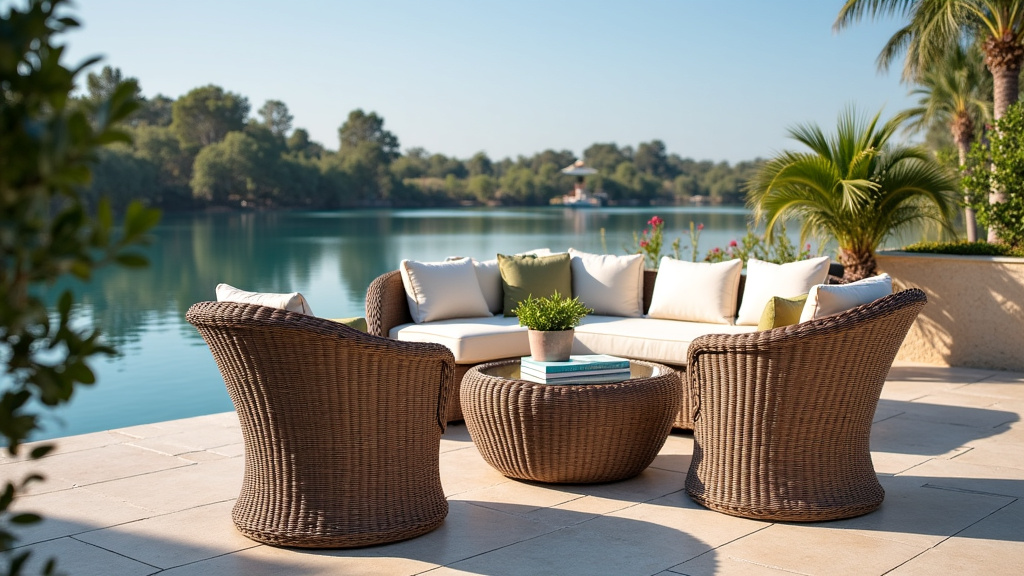
Is Resin Wicker Right for Your Home?
Consider your lifestyle and your environment. Do you live in a rainy climate? Is your patio exposed to direct sunlight? These factors will guide your decision.
If you want furniture that can stay outside year-round, resin wicker is a strong contender. It offers peace of mind. You won’t have to constantly move or cover your pieces.
Things to Consider When Buying
Not all resin wicker is created equal. We found some key points to look for when you’re shopping. You’ll want to ensure you’re getting a quality product.
- Frame Material: Look for aluminum frames. They are rust-proof and lightweight.
- Wicker Quality: The strands should be tightly woven and consistent in color. Avoid loose or uneven weaving.
- UV Protection: Check if the product description mentions UV inhibitors or protection. This is crucial for longevity.
- Comfort: Good outdoor cushions are important. Ensure they are comfortable and made with outdoor-friendly fabric.
- Warranty: A good warranty often indicates a manufacturer’s confidence in their product.
A Quick Checklist for Quality Resin Wicker
Before you make a purchase, run through this short list. It will help you choose wisely. We want you to be happy with your outdoor furniture.
- Is the frame made of rust-resistant aluminum?
- Does the wicker feel strong and look uniform?
- Is it explicitly labeled “UV protected” or “all-weather”?
- Are the cushions quick-drying and fade-resistant?
- Does the furniture come with a decent warranty?
Environmental Considerations of Resin Wicker
You might wonder about the environmental impact of plastic furniture. This is a fair question. We’ve looked into this aspect.
Because resin wicker is so durable, it has a longer lifespan than many other outdoor materials. This means less frequent replacement, which can reduce waste over time. Some manufacturers are also starting to use recycled HDPE in their products. You can look for these options if sustainability is a high priority for you.
The longevity of resin wicker can be a positive factor. It reduces the need for new resources and manufacturing. This contrasts with materials that break down quickly. We found that choosing durable goods is one way to make more environmentally sound purchases.
Conclusion
You’ve learned that resin wicker is a smart choice for your outdoor living areas. We’ve seen it offers remarkable durability and requires very little upkeep. It beautifully mimics natural wicker but stands up to the elements without fuss. By understanding its construction and benefits, you can make an informed decision.
When you’re ready to upgrade your patio or deck, remember to look for quality indicators like an aluminum frame and UV protection. Investing in good resin wicker furniture means enjoying your outdoor space more, with less worry. You’ll create a comfortable and stylish oasis that lasts.
Frequently Asked Questions
Is resin wicker truly maintenance-free?
While not entirely maintenance-free, resin wicker is very low maintenance. You’ll only need occasional cleaning with soap and water. It doesn’t require sealing or special treatments like natural materials.
Can I leave resin wicker furniture outside all year?
Yes, good quality resin wicker is designed for year-round outdoor use. It resists rain, sun, and temperature changes. You won’t need to store it inside, even in harsh weather conditions.
Does resin wicker fade over time?
High-quality resin wicker includes UV inhibitors to prevent fading. While no material is completely immune to sun exposure, treated resin wicker retains its color much longer than untreated plastics or natural fibers.
Is resin wicker environmentally friendly?
Its extended lifespan makes it a more sustainable option than furniture requiring frequent replacement. Some manufacturers also use recycled HDPE, reducing its environmental footprint. We found that choosing durable items lessens overall waste.
What is the typical lifespan of resin wicker furniture?
With proper care and if it’s a good quality product, resin wicker furniture can last 10 to 15 years, or even longer. Its durability against weather is a key factor in its longevity compared to other outdoor materials.
