
How To Clean Plastic Wicker Patio Furniture?
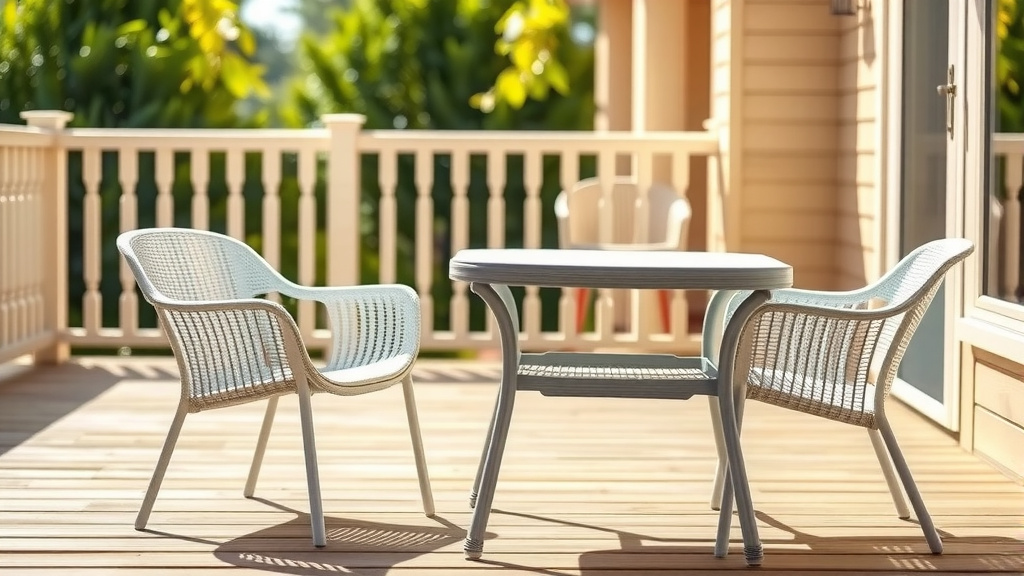
To clean plastic wicker patio furniture, mix warm water with mild dish soap and gently scrub with a soft cloth. This simple approach effectively removes dirt and grime without damaging the synthetic material.
For a deeper clean, first, dust off loose debris, then apply a gentle cleaning solution, scrub stubborn spots, and rinse thoroughly with a hose. Always let your furniture air dry completely to keep it looking fresh.
Quick tips for sparkling plastic wicker:
- Gather your gentle cleaning supplies first.
- Always test new solutions on a hidden area.
- Rinse well to avoid soap residue.
- Let air dry to avoid water spots.
- Regular quick wipe-downs help prevent buildup.
How To Clean Plastic Wicker Patio Furniture?
Cleaning plastic wicker patio furniture effectively involves a few simple steps, focusing on gentle methods to preserve its look and longevity. You can easily restore its fresh appearance with the right approach and supplies.
Why Your Plastic Wicker Needs Regular Cleaning
Think of your patio furniture as an outdoor living room; it sees a lot of action! Dust, pollen, bird droppings, and spilled drinks are just some of the things that can accumulate. Regular cleaning keeps your furniture looking its best and extends its life.
Outdoor elements are constantly at play. Sun exposure and rain can combine with dirt to create stubborn stains over time. A little care often goes a long way in preventing these bigger problems, saving you effort later.
Gathering Your Cleaning Arsenal
Before you dive in, let’s make sure you have everything you need. Having your tools ready makes the process much smoother. It’s like preparing for a cooking adventure, you need all your ingredients on hand.
Gentle Cleaning Solutions You Can Trust
For plastic wicker, you want cleaning solutions that are effective but not harsh. Strong chemicals can damage the plastic or leave a residue. We found that simple household items often work best for this task (NIH).
- Mild dish soap: A few drops in warm water.
- White vinegar: Mixed with water (1:1 ratio) for tougher spots or mildew.
- Baking soda: A paste with water for abrasive cleaning without scratching.
Essential Tools for the Job
Having the right tools helps you reach every nook and cranny. You don’t need anything fancy, just a few basics. These items will make your cleaning efforts much more efficient and thorough.
- Soft-bristle brush: For gently scrubbing textured surfaces.
- Microfiber cloths or sponges: For wiping and general cleaning.
- Garden hose with a spray nozzle: For effective rinsing.
- Bucket: To mix your cleaning solution.
- Old toothbrush: Perfect for tight spaces and seams.
The Step-by-Step Cleaning Process
Ready to make your plastic wicker shine? Let’s walk through the process together. It’s easier than you might think, and the results are incredibly rewarding.
Step 1: The Initial Prep Work
First things first, clear off any cushions, pillows, and decorative items. Then, give your furniture a quick once-over to remove loose debris. You can use a soft brush or even your hands for this step.
A vacuum cleaner with a brush attachment can be incredibly helpful here. It will suck up all the crumbs, leaves, and pet hair that might be hiding in the weave. This initial dust-off makes the actual washing much more effective.
Step 2: The Gentle Wash
Now, let’s get to the heart of the cleaning! This is where your simple soap and water mixture comes into play. It’s often all you need for everyday dirt and grime.
Here’s a simple checklist to guide you through the wash:
- Mix warm water and a few drops of mild dish soap in your bucket.
- Dip your soft brush or sponge into the solution.
- Gently scrub all surfaces of the furniture, focusing on dirty areas.
- Work in small sections to ensure thorough cleaning.
- Use an old toothbrush for any intricate crevices.
Don’t be afraid to apply a little elbow grease, but remember to stay gentle. You are lifting dirt, not trying to redesign the wicker weave!
Step 3: Tackling Stubborn Stains
Sometimes, regular soap and water just don’t cut it. For those tougher spots, you might need to bring out the big guns—still gentle, of course. Many experts say patience is key with set-in stains (Mayo Clinic).
Mold and Mildew Magic
Mold and mildew can be pesky, especially in humid climates. A simple white vinegar and water solution can work wonders. Spray it on, let it sit for a few minutes, then scrub gently.
Baking soda paste also offers a mild abrasive quality. Apply it to the affected area, let it dry a bit, then scrub and rinse. It helps lift the spores without damaging your furniture.
Grease and Grime Getaway
For greasy spots from food or sunscreen, a stronger concentration of dish soap might be required. Apply it directly to the stain, let it break down the grease for a moment, then scrub. Rinse it off quickly.
Another option for persistent grime is a cleaner specifically designed for outdoor plastics. Always read the label carefully and test it in an inconspicuous area first. We found that most plastic-safe cleaners are surprisingly effective.
Step 4: Rinse and Dry
After all that scrubbing, rinsing is a crucial step. You want to remove all soap residue, which can attract new dirt if left behind. A garden hose with a spray nozzle is your best friend here.
Thoroughly rinse every part of your furniture, ensuring no suds remain. Then, let your furniture air dry completely in the sun. This helps prevent water spots and keeps your plastic wicker looking its best.
Keeping Your Wicker Wonderful Year-Round
Cleaning is great, but prevention is even better. A little regular maintenance can dramatically reduce how often you need a deep clean. Think of it as a small investment in your relaxation time.
Regular Wipe-Downs
A quick weekly or bi-weekly wipe-down with a damp cloth can prevent dirt buildup. This small habit takes minutes but saves hours of deep cleaning. It’s like brushing your teeth—a little every day keeps the big problems away.
Protective Covers for Peace of Mind
When not in use, especially during off-seasons or bad weather, consider using furniture covers. These protect against sun, rain, and dust. They are a simple shield for your outdoor investment.
Avoid Harsh Chemicals
It’s tempting to grab the strongest cleaner for tough jobs, but this can harm plastic wicker. Stick to the gentle solutions to maintain its integrity and appearance. Many guidelines point to mild cleaners as the safest choice (Environmental Protection Agency).
| Safe Cleaning Agents | Avoid These Cleaners |
|---|---|
| Mild dish soap | Abrasive powders |
| White vinegar (diluted) | Bleach (unless heavily diluted for specific issues) |
| Baking soda paste | Acetone-based cleaners |
| Warm water | Strong solvents |
Always double-check product labels for suitability on plastic. You want to clean, not corrode!
Conclusion
Cleaning your plastic wicker patio furniture doesn’t have to be a daunting chore. With a few simple tools, gentle solutions, and a bit of effort, you can keep your outdoor space inviting and spotless. Regular care not only enhances its appearance but also ensures you enjoy your furniture for many seasons to come. So, go ahead, give your patio wicker the pampering it deserves!
How often should I clean my plastic wicker patio furniture?
For general maintenance, a light cleaning every 2-4 weeks is often sufficient. A deep clean might be needed once or twice a year, depending on your climate and how much the furniture is used. If you live in a dusty or humid area, you might clean it more frequently.
Can I pressure wash plastic wicker furniture?
While tempting, we generally advise against using a high-pressure washer on plastic wicker. The strong force can damage the weave or even crack the plastic, reducing its lifespan. A garden hose with a nozzle on a gentle setting is usually the strongest spray you need.
What if my plastic wicker furniture has faded? Can cleaning fix it?
Cleaning can remove dirt and grime that might be masking the original color, making it appear brighter. However, cleaning cannot restore color that has faded due to prolonged sun exposure. For faded furniture, you might consider specialty plastic restorers or outdoor furniture paint.
How do I prevent mold and mildew on my plastic wicker?
Preventing mold and mildew involves good air circulation and keeping the furniture dry. After rain, wipe down your furniture or let it dry in the sun. Store it under a cover or in a sheltered area during extended periods of wet weather. Regular light cleaning with a vinegar solution also helps.
Is it safe to use car wash soap on plastic wicker patio furniture?
Generally, car wash soap is formulated to be gentle on vehicle finishes and is often safe for plastic wicker. However, always ensure it is a mild, non-abrasive type and avoid any with added waxes or strong chemicals that might leave a residue or damage the plastic. Test it in a small, hidden area first to be safe.
