Do You Need a Cover for a Patio Furniture Set?
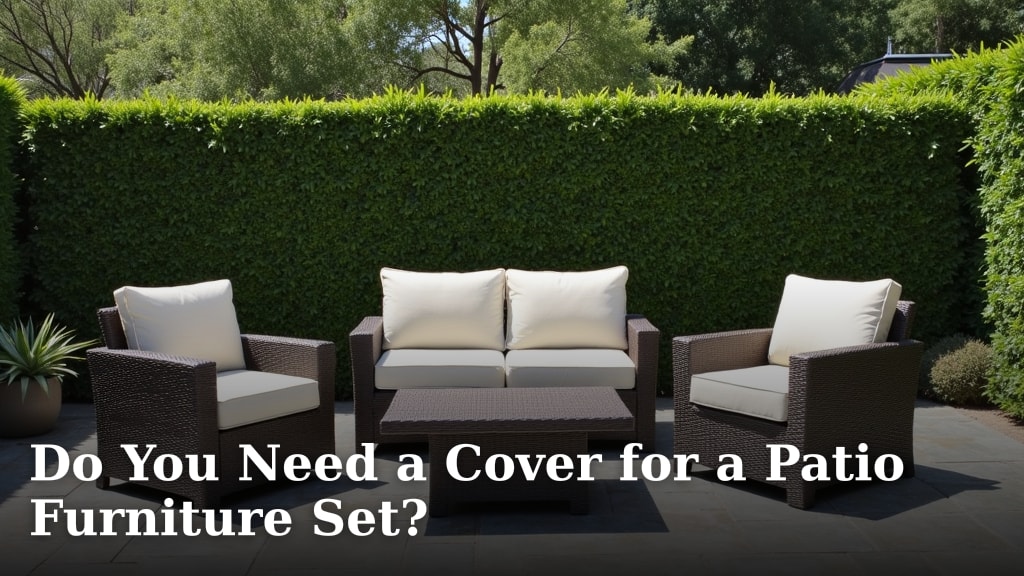
Yes, you absolutely need a cover for a patio furniture set if you want it to last. Protecting your outdoor pieces from the elements extends their lifespan significantly and keeps them looking great.
Think of it as essential care, not an option. Without covers, your furniture faces constant exposure to sun, rain, and grime, leading to premature wear and tear. This simple step can save you money and hassle in the long run.
- Covers protect against sun damage and fading.
- They keep rain and moisture from causing rust or mold.
- Covers deter dirt, dust, and debris buildup.
- They can extend the life of your patio furniture.
- Investing in covers saves you from costly replacements.
Let’s dive deeper into why covering your patio furniture is such a smart move, and what types of covers work best for your outdoor oasis.
Protecting Your Outdoor Furniture: Is It Really Necessary?
Yes, protecting your outdoor furniture with covers is not just a good idea; it’s an essential practice for preserving your investment. Think of it as a shield against everyday environmental challenges.
The Enemy Within: Understanding Patio Furniture Degradation
Your beautiful patio furniture faces constant threats. These aren’t always obvious. Sun, rain, and even air pollution slowly wear down materials.
UV Rays: The Silent Destroyer
Sunlight brings warmth and light, but its ultraviolet (UV) rays are quite harsh. UV exposure causes fabrics to fade rapidly. It can also make plastics brittle and wood crack over time. We found that continuous sun exposure is a leading cause of outdoor furniture damage (National Weather Service).
Moisture: Rust, Rot, and Mildew
Rain, dew, and humidity are constant partners with outdoor living. If moisture seeps into cushions or gets trapped in frames, trouble starts. It leads to rust on metal components and can cause mold or mildew on fabrics. Wood furniture, if untreated, can rot and swell. Even quick-dry cushions benefit from being kept dry.
Dirt, Dust, and Debris: Abrasive Accumulation
Outdoor spaces are prone to collecting dust, pollen, leaves, and bird droppings. This debris isn’t just unsightly; it can be abrasive. Over time, it can scratch surfaces and degrade finishes. Cleaning off heavy grime regularly is a chore no one enjoys.
The Clear Benefits of Using Patio Furniture Covers
Using covers offers more than just protection from the elements. It brings several clear advantages to your outdoor living experience.
Extending Lifespan and Appearance
When your furniture is shielded, its materials are preserved. This means your cushions stay vibrant, your frames resist rust, and your wood maintains its integrity. You’re essentially pausing the aging process. We found many homeowners report their covered furniture looks newer for longer.
Saving Money in the Long Run
Patio furniture can be a significant investment. Replacing a full set every few years because of weather damage adds up quickly. A quality cover, while an upfront cost, is far less expensive than new cushions or a whole new dining set. It’s about smart financial planning for your home.
Reducing Maintenance and Cleaning Time
Imagine not having to scrub off layers of grime, pollen, or bird droppings every time you want to use your patio. Covers keep surfaces cleaner. This means less cleaning before use and more time enjoying your outdoor space. It’s a real time-saver for busy schedules.
Choosing the Right Patio Furniture Cover
Not all covers are created equal. Selecting the right one involves considering materials, fit, and features. You want something that will genuinely protect your pieces.
Material Matters: What to Look For
The best covers are typically made from durable, weather-resistant fabrics. Materials like polyester with PVC backing or treated woven polyethylene are popular. Look for fabrics that are waterproof yet breathable. This prevents moisture from being trapped underneath, which can lead to mold.
- Polyester: Often coated for water resistance, durable, and comes in various thicknesses.
- Woven Polyethylene: Very tough, lightweight, and typically UV resistant.
- Vinyl: Heavy-duty, excellent water protection, but can sometimes lack breathability.
The Importance of a Proper Fit
A cover that’s too small won’t protect adequately. One that’s too large might billow in the wind, potentially tearing or allowing water to pool. Measure your furniture carefully before buying. Snug but not tight is the ideal fit. This helps prevent wind from lifting the cover.
Essential Features for Optimal Protection
Beyond material and fit, certain features enhance a cover’s performance. Consider these when you shop:
| Feature | Why It’s Important |
|---|---|
| Vents | Prevents condensation and mold buildup underneath. |
| Tie-Downs/Buckles | Secures the cover in windy conditions, preventing it from blowing away. |
| Elastic Hems | Provides a snug fit around the base of your furniture. |
| Padded Handles | Makes it easier to put on and remove the cover. |
| UV Protection | Shields the cover itself from sun damage, prolonging its life. |
When Should You Cover Your Patio Furniture?
Knowing when to deploy your covers is just as important as having them. It’s not just for winter storage; daily habits can make a big difference.
Year-Round Protection: A Daily Habit
Think about covering your furniture after each use, especially if it’s exposed to direct sun or you anticipate rain. It’s a small habit that yields big returns. This daily diligence helps prevent continuous exposure to harsh elements. Many experts suggest this approach for maximum preservation.
Seasonal Storage: The Off-Season Shield
During colder months or extended periods of non-use, covers become even more critical. If you can’t bring your furniture indoors, heavy-duty covers are a must. They protect against snow, ice, and prolonged dampness. Ensure furniture is clean and dry before covering for the season to prevent mold growth.
Maintaining Your Patio Furniture Covers
Your covers are working hard for you, so they deserve a little care too. Proper maintenance extends their life and ensures they continue to perform effectively.
Here’s a quick checklist for keeping your covers in top shape:
- Clean regularly: Wipe down covers with mild soap and water to remove dirt and debris.
- Ensure dryness: Always let covers dry completely before folding and storing to prevent mildew.
- Inspect for damage: Periodically check for rips, tears, or weakened seams, and repair them promptly.
- Store properly: When not in use, fold neatly and store in a dry, protected area away from pests.
- Avoid harsh chemicals: Strong cleaning agents can degrade the waterproof coating on your covers.
By following these steps, your patio furniture covers will be ready to protect your outdoor oasis season after season. It’s a simple cycle of care that benefits your entire outdoor living space.
Conclusion
You’ve seen why covering your patio furniture is less of a luxury and more of a necessity. Investing in quality covers protects against the harsh realities of sun, rain, and grime. This simple step preserves the beauty and integrity of your outdoor pieces, ensuring they look great for years to come. You’ll spend less time cleaning and more time enjoying your outdoor space. Take the next step now: measure your furniture and select the right covers to safeguard your investment.
Frequently Asked Questions
Are expensive patio furniture covers always better?
Not necessarily. While higher prices often indicate better materials and construction, a mid-range cover with the right features (like vents and tie-downs) can offer excellent protection. Focus on material quality and proper fit over just the price tag.
Can I use a tarp instead of a specific furniture cover?
We advise against using a regular tarp. Tarps typically lack breathability, trapping moisture underneath and potentially leading to mold or mildew. They also don’t fit securely, risking wind damage or pooling water. Proper covers are designed specifically for furniture protection.
Should I remove cushions before covering my patio furniture?
For best results, yes. Removing cushions and storing them indoors or in a separate, breathable storage container further prevents moisture buildup, mold, and critter nesting. If you must leave them, ensure they are completely dry before covering.
How do I prevent my patio furniture cover from blowing away?
Look for covers with secure tie-downs, buckles, or elastic hems. A snug fit is also crucial. For extra windy areas, consider adding bungee cords or weights to keep the cover firmly in place. Always ensure all straps are properly fastened.
Do all patio furniture materials need to be covered?
While some materials are more weather-resistant than others, all outdoor furniture benefits from covers. Even “all-weather” pieces will degrade slower and stay cleaner with protection. It’s about extending the lifespan and maintaining appearance for everything you own.