What Paint To Use On Aluminum Patio Furniture?
To paint aluminum patio furniture effectively, you’ll generally want to use a high-quality exterior acrylic latex paint or a specialized epoxy paint, always applied over a suitable metal primer.
These paint types offer excellent adhesion and durability needed to withstand outdoor elements, protecting your aluminum surfaces for years.
Here’s a quick overview of what you’ll discover in this guide:
- The best paint types for aluminum furniture, including their advantages and disadvantages.
- Why proper surface preparation is the most critical step before painting.
- Tips for applying paint evenly and ensuring a long-lasting finish.
- How to care for your freshly painted aluminum patio furniture.
What Paint To Use On Aluminum Patio Furniture?
For your aluminum patio furniture, the top choices are exterior acrylic latex paint or a durable epoxy paint. Both options adhere well to metal and stand up to outdoor conditions when correctly applied over a primer.
Why Can’t I Just Use Any Paint?
You might be wondering, “Can’t I just grab any old can of paint?” The truth is, aluminum presents some unique challenges. It’s a non-ferrous metal, meaning it doesn’t rust like steel, but it can oxidize, creating a powdery white layer. This layer makes it tricky for paint to stick properly.
Understanding Aluminum’s Surface
Aluminum is smooth, and its surface can be very resistant to adhesion without the right preparation and primer. We found that trying to paint directly onto unprepared aluminum often leads to peeling and chipping quickly. Think of it like trying to stick a sticker to a really slick, oily surface; it just won’t stay put.
The Best Paint Types for Aluminum Furniture
When selecting paint for your outdoor aluminum pieces, you need options designed for durability and adhesion to metal. We looked at many options and found certain types consistently perform better for this specific application.
Acrylic Latex Paint: Your Go-To Choice
Exterior acrylic latex paints are a popular and reliable choice for aluminum patio furniture. Many experts agree these paints offer flexibility, which is important as furniture can expand and contract with temperature changes. They are also water-based, making cleanup easier.
Pros and Cons of Acrylic Latex
Acrylic latex paints dry fairly quickly, allowing for multiple coats in a day. They generally have low volatile organic compounds (VOCs), meaning less odor. However, they might require more coats than oil-based options for full coverage. You’ll also need a high-quality primer specifically for metal.
Epoxy Paint: For Maximum Durability
If you’re looking for a finish that can really take a beating, epoxy paint is a strong contender. This type of paint creates an incredibly hard, durable coating that resists chipping, scratching, and fading. It’s often used in industrial settings because of its strength.
Why Epoxy is a Strong Contender
Epoxy paints bond exceptionally well to prepared metal surfaces, forming a protective barrier. They are fantastic for high-traffic items or furniture exposed to harsh conditions. The downside is that epoxy can be more challenging to apply and usually has a stronger odor. It often comes in a two-part formula that you mix before use.
Oil-Based Enamel: A Traditional Option
Some people still prefer oil-based enamel paints for their furniture projects. These paints are known for creating a hard, glossy finish that is very durable. They tend to level out nicely, minimizing brush strokes.
When to Consider Oil-Based Paint
Oil-based enamels are a good choice if you’re comfortable with longer drying times and require mineral spirits for cleanup. They can be very resistant to moisture and wear once fully cured. However, their higher VOC content means you’ll need excellent ventilation during application (Environmental Protection Agency guidelines).
Crucial Steps Before Painting: Surface Preparation
Honestly, the success of your paint job largely depends on how well you prepare the surface. You can use the best paint in the world, but if the aluminum isn’t ready, it won’t last. Think of it as building a house on a shaky foundation; it won’t stand strong.
Cleaning and Degreasing Your Furniture
Start by thoroughly cleaning your aluminum furniture. Use a mild detergent and water, scrubbing away any dirt, grime, or mildew. Rinse it completely and let it dry. Then, use a degreaser or a solvent like mineral spirits to remove any oils or residues that could prevent adhesion (Many DIY guides emphasize this).
Sanding for Better Adhesion
Next up is sanding. Lightly scuff the entire surface with fine-grit sandpaper, around 180-220 grit. This creates tiny abrasions that give the primer something to “grip” onto. Don’t press too hard; you’re not trying to remove the aluminum, just rough it up slightly. Wipe away all sanding dust afterward.
The Importance of a Specialized Primer
A good primer acts as the bridge between your aluminum furniture and the new paint. It helps the topcoat adhere much better and provides an extra layer of protection. Skipping this step is a common mistake that leads to early paint failure.
Choosing the Right Primer for Aluminum
You need a primer specifically designed for metal, especially one that states it’s good for non-ferrous metals like aluminum. Zinc chromate or self-etching primers are often recommended for their excellent bonding properties. We found that a quality primer can make all the difference in a lasting finish.
Applying the Paint Like a Pro
You’ve cleaned, sanded, and primed; now comes the fun part! Applying the paint requires patience and a good technique for a smooth, even finish. Rushing this stage can lead to drips and an unprofessional look.
Techniques for an Even Coat
Whether you’re brushing, rolling, or spraying, apply thin, even coats. Multiple thin coats are always better than one thick, heavy coat, which is prone to dripping and uneven drying. If brushing, use long, smooth strokes. If spraying, keep the can or sprayer moving steadily to avoid pooling.
Drying Times and Recoating
Always follow the manufacturer’s instructions for drying times between coats. Trying to apply a second coat too soon can cause the paint to pull up or create an uneven texture. Patio furniture will also need ample time to fully cure before heavy use, which can be several days to weeks depending on the paint type and humidity.
Maintaining Your Freshly Painted Furniture
You’ve put in the effort, now let’s make sure that beautiful finish lasts! Proper care can extend the life of your painted aluminum furniture significantly. It’s like tending a garden; a little attention goes a long way.
Tips for Longevity
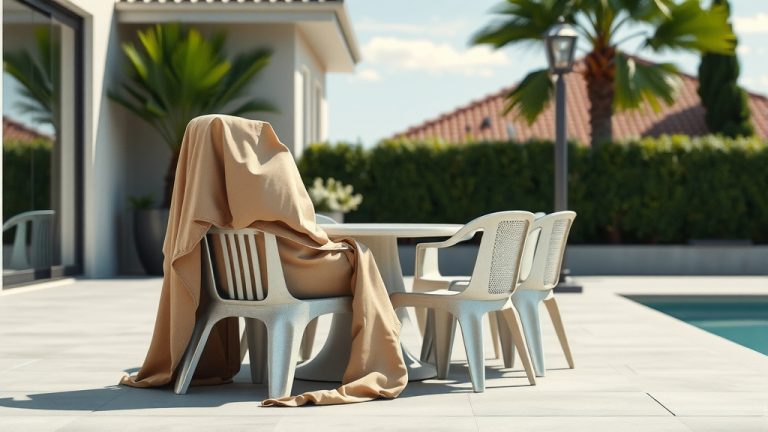
Clean your furniture regularly with mild soap and water. Avoid harsh abrasives or chemical cleaners that could damage the paint. If you notice any small chips or scratches, touch them up promptly to prevent moisture from getting underneath the paint. During extreme weather, consider covering or storing your furniture to protect the finish.
Here’s a quick comparison of popular paint types for aluminum:
| Paint Type | Durability | Ease of Use | Cost (Avg.) | Best For |
|---|---|---|---|---|
| Acrylic Latex | Good to Excellent | Easy (Water Cleanup) | Mid-Range | General outdoor use, vibrant colors |
| Epoxy Paint | Excellent (Very Hard) | Moderate (Two-part mix, Strong odor) | Higher | High-traffic areas, maximum protection |
| Oil-Based Enamel | Very Good | Moderate (Mineral spirits cleanup, Slow dry) | Mid-Range | Glossy, hard finish, traditional look |
Here’s a simple checklist to guide you through painting your aluminum furniture:
- Choose your paint: Acrylic latex, epoxy, or oil-based enamel.
- Gather supplies: Detergent, degreaser, fine-grit sandpaper, primer, paint, brushes/rollers/sprayer.
- Clean thoroughly: Wash, rinse, and degrease the furniture.
- Sand lightly: Scuff the entire surface to aid adhesion.
- Apply primer: Use a metal-specific primer, allowing it to dry completely.
- Paint in thin coats: Apply 2-3 coats, following drying times between each.
- Allow to cure: Let the paint fully harden before regular use.
Conclusion
Choosing the right paint for your aluminum patio furniture doesn’t have to be overwhelming. By selecting an exterior acrylic latex or epoxy paint, and committing to proper surface preparation and priming, you can achieve a beautiful, durable finish. Remember, the effort you put in beforehand truly pays off in the longevity and appearance of your refreshed outdoor oasis. Enjoy bringing your furniture back to life!
Is it better to spray paint or brush aluminum patio furniture?
Both spray painting and brushing have their advantages. Spray painting often gives a smoother, more even finish with fewer brush marks, especially on intricate designs. However, it requires careful masking and good ventilation. Brushing offers more control and less overspray, though it can be more time-consuming for large pieces. Many people find that for most patio furniture, spray painting yields a more professional-looking result, but brushing is perfectly fine if you prefer it.
How long does painted aluminum patio furniture last?
With proper preparation, high-quality paint, and good maintenance, painted aluminum patio furniture can easily last for 5-10 years, or even longer. Factors like direct sun exposure, harsh weather, and frequency of use will influence its lifespan. Regular cleaning and prompt touch-ups of any chips will help extend the finish significantly.
Can you paint aluminum patio furniture without sanding?
While some “paint and primer in one” products claim to eliminate sanding, we and many experts advise against skipping this step for aluminum. Aluminum’s smooth surface benefits immensely from a light sanding (scuffing) to create mechanical adhesion for the primer and paint. Without it, the paint is much more likely to peel or flake prematurely, even with a good primer.
What if my aluminum furniture has rust?
True rust is a term for oxidized iron, which aluminum does not do. Aluminum corrodes, forming a white, powdery residue. If you see this, you’ll need to clean it thoroughly with a wire brush or fine-grit sandpaper to remove all the powdery corrosion. Then, proceed with cleaning, degreasing, and priming as usual. Ensure the surface is completely smooth before priming to prevent the corrosion from continuing underneath the new paint layer.
Should I disassemble my patio furniture before painting?
Disassembling your patio furniture before painting is often recommended if possible. It allows you to reach all surfaces easily, ensures more even coverage, and prevents paint from accidentally getting on hardware or moving parts. If complete disassembly isn’t feasible, careful masking with painter’s tape is essential, especially around joints or screws that you don’t want painted.