How To Maintain Patio Furniture?
On this page (9 sections)
To maintain patio furniture, regularly clean it with mild soap and water, protect it from harsh weather, and store it properly during off-seasons.
Consistent patio furniture maintenance prevents rust, fading, and deterioration, extending its lifespan and keeping your outdoor space inviting.
TL;DR: Here’s a quick guide to keeping your patio furniture looking great:
- Clean regularly with gentle soap and water for all materials.
- Protect furniture from sun and rain using covers or shade.
- Store items properly during harsh weather or off-seasons.
- Address specific material needs like oiling wood or waxing metal.
- Avoid harsh chemicals that can damage finishes or fabrics.
How To Maintain Patio Furniture?
Maintaining patio furniture means routine cleaning and seasonal protection, ensuring it withstands the elements and remains a comfortable spot for years.
Regular attention keeps your outdoor pieces vibrant, functional, and ready for every sunny gathering.
Why Patio Furniture Maintenance Matters
Think of your patio furniture as an extension of your home. It works hard, facing sun, rain, and wind daily. Giving it a little care keeps it looking new, welcoming you to relax outside.
Why bother? Because a small amount of effort now saves you from big headaches, like replacing worn-out pieces too soon. It’s about protecting your investment and your peace of mind.
Save Money and Time
Regular cleaning and protection truly extend the life of your furniture. We found that well-maintained pieces last significantly longer than neglected ones. This means you won’t need to buy new sets every few years, saving your wallet.
Addressing small issues early, like a loose screw or a developing rust spot, stops them from becoming major repairs. A quick wipe-down is always faster than a deep scrub of accumulated grime.
Keep it Looking New
Your outdoor space reflects your style. Faded, dirty, or damaged furniture can really detract from that. Consistent maintenance helps maintain the original color and finish, keeping your patio looking fresh and inviting.
Who doesn’t love a clean, tidy outdoor area? Your furniture will shine, ready for impromptu gatherings or a quiet morning coffee.
Enjoy Your Outdoor Space More
When your patio furniture is clean and comfortable, you’re more likely to use it. Imagine stepping out onto a pristine patio, ready for relaxation. It creates a better atmosphere for you and your guests.
A well-kept patio invites you to linger, to soak up the sun, or enjoy a meal outdoors. It truly transforms your backyard into a personal oasis.
Essential General Cleaning for All Furniture
Before diving into specific materials, remember that general cleaning is your first line of defense. A little routine wipe-down goes a long way. This applies to almost every type of patio furniture.
Consistency is key here. Make it a habit, just like dusting inside your home. What tools do you need for this simple cleaning?
Gentle Cleaning Solutions
For most materials, a simple mix of warm water and mild dish soap works wonders. Avoid harsh chemicals or abrasive cleaners, as they can strip finishes or cause discoloration. Many experts say mild solutions are best (Environmental Protection Agency).
You can also find specialized patio furniture cleaners if you prefer, but always test them on a small, hidden area first. A little goes a long way to ensure safety.
Soft Brushes and Cloths
Use a soft-bristled brush or a sponge for scrubbing. For delicate surfaces, a soft cloth is ideal. Avoid steel wool or stiff brushes that might scratch or damage the finish. Your goal is to lift dirt, not strip paint.
Having a few dedicated cleaning cloths and brushes for your outdoor furniture makes the task easier. Keep them handy in your garden shed.
Thorough Drying is Key
After cleaning, always rinse your furniture thoroughly to remove any soap residue. Then, allow everything to air dry completely. We found that leaving moisture behind, especially in crevices, can lead to mildew or water spots.
For cushions, squeeze out excess water and stand them on their side to help them dry faster. Proper drying prevents odors and preserves fabric integrity.
Specific Care for Different Materials
Different materials demand different approaches. Knowing the specific needs of your furniture’s material helps you care for it effectively. Here’s a quick guide to some common types.
Each material has its own strengths and weaknesses when exposed to the elements. What’s good for metal might not be good for wood, right?
| Material | Cleaning Tips | Protection & Maintenance |
|---|---|---|
| Wrought Iron | Mild soap, water, soft brush. Address rust spots with steel wool, then prime and paint. | Wax or seal annually. Use covers. Store in dry place. |
| Aluminum | Mild soap, water, soft cloth. Can use automotive wax for shine. | Covers recommended. Check for loose bolts. |
| Wood (Teak, Cedar) | Mild soap, water, soft brush. Sand rough spots. | Apply teak oil (teak) or sealant (other woods) annually. Store dry. |
| Wicker (Natural) | Vacuum, then wipe with mild soap and water. Dry thoroughly. | Avoid direct sun and rain. Use covers. Keep stored indoors when not in use. |
| Resin Wicker | Hose off, then mild soap and water. | Very durable, but covers extend color life. |
| Plastic/Resin | Mild soap, water. Can use a magic eraser for stubborn scuffs. | Covers to prevent fading. |
| Fabric/Cushions | Spot clean or remove covers and machine wash (check tags). | Store indoors during rain or off-season. Apply fabric protector. |
Metal Furniture (Wrought Iron, Aluminum)
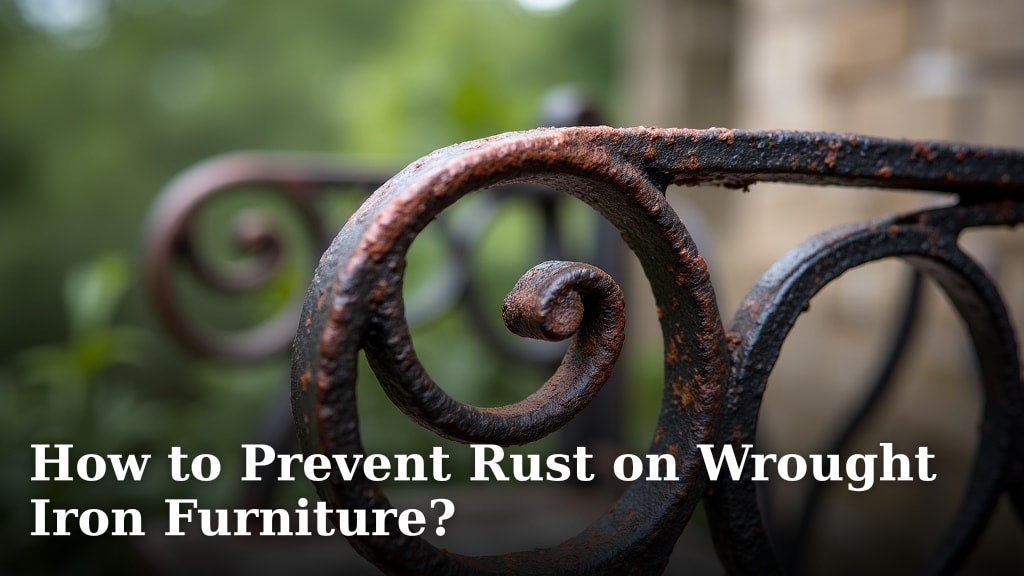
Wrought iron is sturdy but prone to rust. Regular cleaning, followed by touching up scratches with rust-resistant paint, is key. Many experts suggest a wax or sealant annually to protect the finish.
Aluminum is lighter and rust-resistant, but it can oxidize and get dull. A quick clean with soapy water and a soft cloth usually restores its shine. Some owners even use automotive wax for an extra sparkle.
Wooden Furniture (Teak, Cedar)
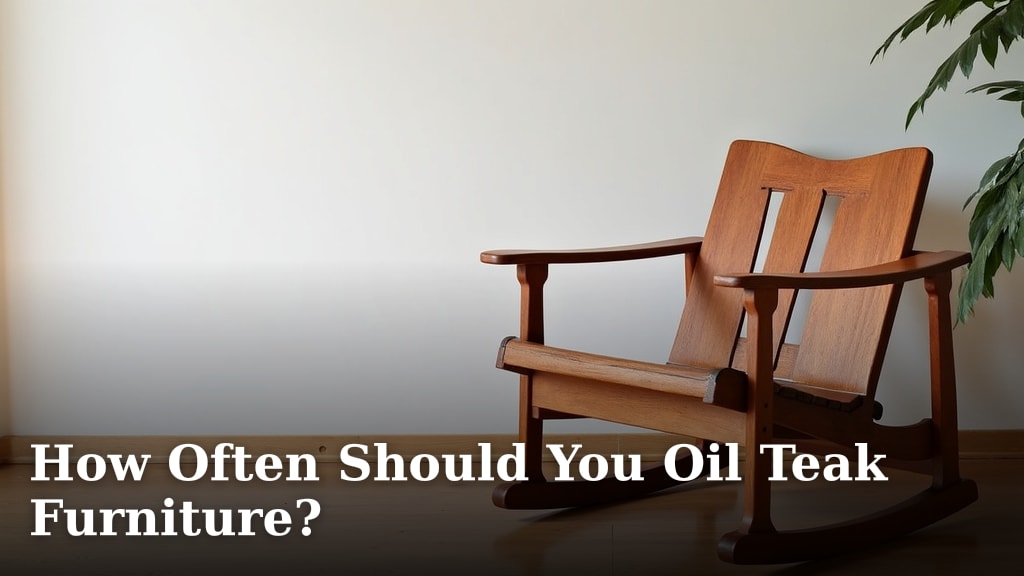
Wooden furniture, especially teak, weathers beautifully to a silvery-grey patina. If you prefer the original golden color, you’ll need to clean it and apply teak oil periodically (Wood Council of America). Other woods, like cedar, benefit from sealants.
Always clean wood with a soft brush, scrubbing in the direction of the grain. Remember to let it dry completely before applying any oils or sealants. This stops moisture from getting trapped.
Wicker and Resin Furniture
Natural wicker is charming but fragile. Vacuum dust and debris, then gently wipe with a damp cloth. Keep it out of direct sunlight and rain as much as possible to prevent brittleness and fading. Indoor storage is ideal.
Resin wicker, on the other hand, is a champion. It’s synthetic and can usually be hosed down and wiped with soapy water. It’s designed for outdoor living but covers will help maintain its color over many seasons.
Cushions and Fabrics
Cushions and fabrics can be tricky. Always check the care tag first. Many cushion covers are removable and machine washable. For those that aren’t, spot cleaning with a mild fabric cleaner works well.
To prevent mold and mildew, bring cushions indoors during heavy rain or when not in use for extended periods. A fabric protector spray can also help repel water and stains, keeping them looking better for longer.
Protecting Your Outdoor Pieces
Beyond cleaning, protection is the next big step in furniture maintenance. Think of it as putting on a raincoat before heading out into a storm. It shields your items from the elements, preventing damage.
Protection isn’t just about covering things up. It also involves where you place your furniture and how you store it. All these actions help prevent wear and tear before it even starts.
The Power of Furniture Covers
Good quality furniture covers are truly a game-changer. They protect against UV rays, rain, dust, and even bird droppings. Many experts agree that covers are one of the best investments for prolonging furniture life.
Choose covers that are breathable to prevent moisture buildup and mildew. Make sure they fit snugly but aren’t too tight, allowing air circulation. Covers are your furniture’s personal umbrella.
Strategic Placement and Shade
Where you place your furniture matters. Positioning pieces under an awning, umbrella, or pergola offers natural protection from harsh sun and light rain. This reduces fading and material degradation.
Consider the sun’s path throughout the day. Moving furniture a few feet can make a big difference in how much direct sunlight it receives. Even rotating pieces occasionally helps even out exposure.
Smart Storage Solutions
When the colder months arrive or if you’re going away, proper storage is vital. If possible, store cushions indoors in a dry, ventilated area. For frames, a garage, shed, or even a protected patio corner with covers works well.
Ensure furniture is clean and dry before storing it. Any trapped moisture can lead to mold or rust. Disassembling larger items can save space and make storage easier, too.
Seasonal Maintenance Guide
Your patio furniture faces different challenges throughout the year. Adapting your maintenance routine to the seasons ensures continuous protection and enjoyment. Think of it as a yearly check-up for your outdoor space.
Each season brings unique needs, from a spring refresh after winter to preparing for the cold. A little seasonal planning keeps everything in top shape, ready for anything.
Spring Refresh
After winter storage, spring is the time for a thorough deep clean. Remove covers, inspect for any damage, and give everything a good wash with mild soap and water. This shakes off the winter dormancy.
Check for loose bolts, apply any necessary oils or sealants to wood, and touch up paint on metal. Refreshing your cushions and adding new plants will truly make your patio pop.
Summer Upkeep
During the peak season, quick and regular maintenance is sufficient. Wipe down surfaces after use, especially if there’s been a spill. Keep an eye on cushion cleanliness, spot cleaning as needed.
Ensure umbrellas and shade structures are clean and functional. Your summer routine should be about quick tidy-ups to keep your patio looking its best for guests and daily enjoyment.
Fall Preparation
As summer fades, it’s time to prepare for cooler, wetter weather. Give all your furniture a final deep clean, making sure it’s completely dry. Repair any lingering damage like chips or scratches.
Consider applying a fresh coat of sealant or wax to metal and wood pieces. This adds an extra layer of protection against the coming rain and frost. Many research bodies support pre-winter protection for outdoor items.
Winterizing for Longevity
Winterizing involves putting your furniture into full protective mode. If possible, bring delicate items and cushions indoors. For larger, more resilient pieces, ensure they are thoroughly cleaned, dried, and covered.
Proper winter storage is arguably the most important step for preserving your furniture’s lifespan. It shields items from harsh temperatures, ice, and heavy snow, preventing structural damage and material fatigue.
Common Maintenance Mistakes to Avoid
Even with the best intentions, it’s easy to make mistakes that can shorten your furniture’s life. Being aware of these common pitfalls can save you time, effort, and money. Let’s look at some things to steer clear of.
Sometimes, what seems like a quick fix can cause more harm than good. A little knowledge here goes a long way in keeping your patio furniture looking fantastic.
Using Harsh Chemicals
It’s tempting to grab the strongest cleaner for tough dirt, but this is a common mistake. Harsh chemicals can strip finishes, fade colors, and degrade materials, especially plastics and fabrics. We found this to be a frequent problem.
Stick to mild soaps and cleaners specifically designed for outdoor furniture. If in doubt, warm water and dish soap are almost always the safest bet. Play it safe to protect your furniture’s beauty.
Ignoring Small Issues
A loose bolt, a tiny rust spot, or a small tear in a cushion might seem insignificant. However, these small issues can quickly become bigger, more expensive problems if left unaddressed. A stitch in time, right?
Regular inspections are part of good maintenance. Take a few minutes during cleaning to check for any minor damage and fix it promptly. Early intervention saves your furniture from major repair needs.
Skipping Seasonal Care
Neglecting seasonal maintenance, especially before winter, is a major oversight. Failing to clean, dry, and store furniture properly before harsh weather can lead to irreversible damage like rust, mold, and material breakdown.
Think of seasonal care as preventative medicine for your patio furniture. A little effort at the right time provides significant protection against the elements, ensuring your pieces are ready for next season.
Your Patio Furniture Maintenance Checklist
Want a quick way to stay on top of your patio furniture care? Use this simple checklist to guide your routine. It helps you remember key steps, making maintenance a breeze.
- Regularly wipe down surfaces with mild soap and water.
- Inspect for rust, chips, or loose parts every few months.
- Apply protective sealants or waxes to wood and metal as needed.
- Clean cushions and fabrics, store them during bad weather.
- Use breathable furniture covers when not in use or for extended periods.
- Store furniture indoors or in a sheltered area during winter.
Conclusion
Maintaining your patio furniture doesn’t have to be a chore. With a little consistent effort and the right approach for each material, you can keep your outdoor space looking inviting and fresh for years.
From gentle cleaning to smart storage, every step contributes to the longevity and beauty of your pieces. So, go ahead, give your patio furniture the love it deserves, and enjoy your beautiful outdoor oasis!
How often should I clean my patio furniture?
Aim to clean your patio furniture surfaces lightly once a week or bi-weekly during peak season. A deeper clean should happen at the start and end of each outdoor season.
Can I use a pressure washer on patio furniture?
Generally, it’s best to avoid pressure washers as they can damage delicate finishes, fabrics, or even wood. If you must use one, keep the pressure very low and maintain a good distance to prevent harm.
What’s the best way to prevent rust on metal patio furniture?
To prevent rust, clean metal furniture regularly, promptly touch up any scratches with rust-inhibiting paint, and apply a protective wax or sealant annually. Using breathable furniture covers also helps.
My wood furniture is fading, what can I do?
Fading on wood furniture, especially teak, is natural. If you prefer the original color, clean the wood thoroughly and apply a teak oil or wood stain specific to outdoor use. Use covers to reduce sun exposure.
How do I deal with mildew on cushions?
For mildew, mix one part white vinegar with two parts water and spray it on the affected area, letting it sit for a few minutes before scrubbing gently with a soft brush. Rinse thoroughly and dry completely in the sun. For stubborn cases, a mild bleach solution (check fabric care tag first) might be needed.