How To Protect Cast Aluminum Patio Furniture?
On this page (6 sections)
To protect cast aluminum patio furniture, regularly clean it with mild soap, apply a protective wax or clear coat, and use durable covers, especially during harsh weather.
Preventing damage from sun, moisture, and scratches ensures your cast aluminum pieces maintain their appearance and structural integrity for many years.
- Keep your cast aluminum furniture looking new with simple, regular cleaning.
- Shield your patio pieces from harsh weather and sun with protective covers.
- Apply a clear coat or wax to create an extra barrier against wear.
- Store your furniture properly during off-seasons for maximum lifespan.
- Address minor scratches and chips quickly to prevent bigger issues later.
How To Protect Cast Aluminum Patio Furniture?
Protecting your cast aluminum patio furniture involves consistent cleaning, applying protective finishes, and smart storage. These steps are simple but make a huge difference in its lifespan. For care advice across metal types, see our guide to protecting metal patio furniture.
Why Bother Protecting Your Cast Aluminum?
You’ve invested in beautiful cast aluminum furniture, right? It’s sturdy and looks great. Protecting it means you keep that elegant look for longer, saving money on replacements.
Research often highlights that proper care can significantly extend the life of outdoor furnishings (Consumer Reports). Think of it as guarding your outdoor oasis.
Understanding Cast Aluminum’s Strengths
Cast aluminum is a patio favorite for good reason. It’s naturally lightweight yet incredibly strong. It also resists rust, which is a big plus for outdoor items.
However, “rust-proof” doesn’t mean “bulletproof.” It can still fade, scratch, and corrode in other ways if left completely exposed to the elements.
The Enemy List: What Threatens Your Furniture?
Even tough cast aluminum faces challenges outdoors. Sun, rain, and daily wear are the main culprits. Knowing your enemies helps you build a better defense strategy.
UV Rays: The Silent Fader
Picture the sun beating down day after day. Those powerful UV rays can slowly dull the finish of your furniture. Over time, that vibrant color can look tired and faded.
Many experts say UV damage is a primary concern for all outdoor materials. It slowly degrades paint and protective layers, making surfaces look old before their time.
Moisture: Not Always a Friend
Rain, dew, and humidity are constant companions outdoors. While cast aluminum doesn’t rust, prolonged moisture can cause oxidation or mineral deposits. These can dull the finish or leave unsightly marks.
We found that standing water, especially, can accelerate wear on certain finishes. It’s like leaving a water ring on a beautiful wooden table – you just don’t want it there.
Essential Cleaning for Longevity
Regular cleaning is your first line of defense. It’s not about deep scrubbing every week, but rather consistent, gentle care. A clean surface is a protected surface.
Gentle Cleaning is Key
How often should you clean? Many sources suggest a light cleaning every few weeks, or after heavy use (Outdoor Living Today). For deeper cleans, aim for quarterly or twice a year.
Use a soft cloth or sponge with a mild soap and water solution. Think dish soap, not harsh chemicals. Rinse thoroughly and dry completely to prevent water spots.
| Cleaning Agent | Best Use | Pros | Cons |
|---|---|---|---|
| Mild Dish Soap & Water | Regular cleaning, light grime | Safe, readily available, inexpensive | Less effective on stubborn stains |
| White Vinegar Solution (diluted) | Mineral deposits, light mildew | Natural, cuts through residue | Can dull some finishes if not rinsed |
| Commercial Patio Cleaner | Heavy dirt, specific stains | Formulated for outdoor use, powerful | Can be harsh, follow directions carefully |
Spot Treatment for Stubborn Grime
Sometimes you’ll find a particularly stubborn spot. Maybe some bird droppings or tree sap. Tackle these quickly before they set in and cause lasting damage.
For tough spots, a paste of baking soda and water can work wonders. Apply it, let it sit for a few minutes, then gently scrub and rinse. Always test in an inconspicuous area first, just in case.
The Power of Protection: Coatings and Covers
Beyond cleaning, adding a protective layer is a game-changer. Think of it as putting on a raincoat before heading out in a storm. It offers an extra shield against the elements.
Sealing and Waxing for Extra Defense
After cleaning, applying a protective finish really seals the deal. This barrier helps repel water and minimizes UV damage, keeping your furniture looking newer, longer.
Clear Coats and Waxes: Your Armor
A clear coat spray, designed for outdoor metals, creates a durable, invisible layer. Automotive wax can also provide a great barrier. We found that a good wax application helps shed water like magic.
Apply these products in thin, even layers as directed by the manufacturer. This simple step can add a significant amount of protection against fading and mild abrasion.
Patio Furniture Covers: Your Best Friend
When bad weather rolls in, or when you’re just not using your furniture for a while, covers are indispensable. They act as a physical shield against the harshest conditions.
Choosing the Right Cover
Look for covers made from durable, breathable materials. Polyester with a waterproof backing is a popular choice. Ensure the cover fits snugly, but allows for some air circulation to prevent mildew.
We advise investing in covers that have tie-downs or elastic hems (Good Housekeeping). This prevents them from flying off during windy days, which is incredibly frustrating.
Smart Placement and Storage Strategies
Where and how you keep your furniture matters a lot. A little planning can save you a lot of effort in cleaning and repairs later on.
Strategic Placement to Minimize Exposure
Can you place your furniture under an awning or a large umbrella? Even partial shade helps reduce UV exposure. This simple act can greatly slow down fading and deterioration.
Consider the wind direction too. Positioning furniture to be less exposed to strong gusts helps prevent minor bumps and scratches from shifting.
Off-Season Storage: A Must-Do
When winter hits, or if you’re going away for an extended period, moving your furniture indoors is the best option. A garage, shed, or even a covered porch offers superior protection.
Before storing, give everything a thorough cleaning and ensure it’s completely dry. This prevents any mold or mildew from developing during storage. Think of it as tucking your furniture in for a long nap.
Seasonal Protection Checklist
- Clean furniture thoroughly before covering or storing.
- Apply a fresh coat of wax or sealant annually.
- Use breathable, water-resistant covers for daily protection.
- Store cushions indoors to prevent mildew and fading.
- Move furniture to a sheltered spot during severe weather warnings.
Quick Fixes for Minor Wear and Tear
Even with the best protection, life happens. Minor scratches or chips can occur. Addressing these quickly prevents small issues from becoming bigger, more noticeable problems.
Dealing with Scratches and Chips
For minor scratches, a touch-up paint kit matched to your furniture’s finish is a lifesaver. Clean the area, apply the paint carefully, and let it dry. This helps blend the scratch away.
For deeper chips, you might need to lightly sand the area first (Houzz). Then, apply primer, followed by matching paint. This prevents the exposed metal from becoming a larger issue down the line.
Rust Spots on Fasteners
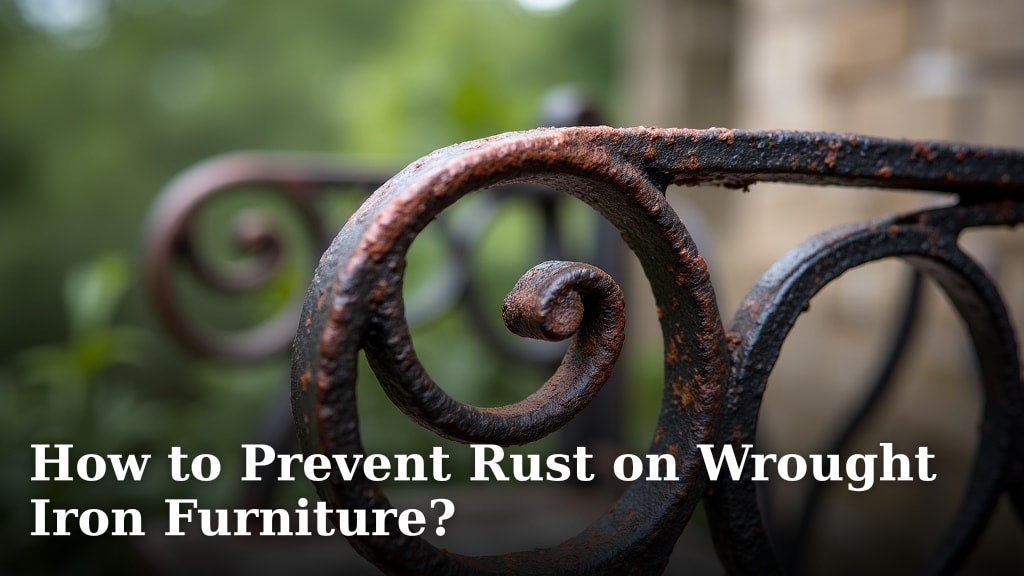
While cast aluminum itself doesn’t rust, the steel nuts, bolts, or screws used to assemble it can. Keep an eye on these. If you see rust, clean it with a wire brush and apply rust-inhibiting paint.
Consider replacing rusted fasteners with stainless steel hardware. Stainless steel offers much better corrosion resistance, giving you fewer headaches in the future.
Conclusion
Protecting your cast aluminum patio furniture is a straightforward process that rewards you with years of beautiful, functional outdoor living. By adopting a routine of cleaning, applying protective coatings, and smart storage, you’re not just maintaining furniture; you’re preserving your outdoor sanctuary.
Remember, a little consistent care goes a long way. With these practical steps, your cast aluminum pieces will remain a welcoming and stylish part of your home for many seasons to come. Enjoy your patio without worry!
How often should I clean cast aluminum patio furniture?
We recommend cleaning your cast aluminum patio furniture lightly every few weeks during regular use. A more thorough cleaning, using a mild soap and water solution, should be done at least twice a year, typically in spring and fall, or before putting it into off-season storage.
Can I leave my cast aluminum furniture uncovered all year?
While cast aluminum is rust-resistant, leaving it uncovered all year can lead to fading, oxidation, and accumulation of dirt and grime. Using a quality cover, especially during harsh weather or off-seasons, significantly extends its life and preserves its finish.
What kind of wax should I use on cast aluminum?
You can use a clear automotive wax or a specialized outdoor furniture wax. These products create a protective barrier against UV rays and moisture. Apply them in thin, even coats after cleaning, following the manufacturer’s instructions for best results.
Does cast aluminum rust?
Cast aluminum itself does not rust because it lacks iron, which is necessary for rust formation. However, any steel fasteners (like nuts and bolts) used in the furniture’s assembly can rust over time. It’s wise to inspect these components and treat or replace them if rust appears.
How can I prevent bird droppings and tree sap from damaging my furniture?
The best prevention is to use furniture covers when not in use. If droppings or sap do occur, clean them off immediately with mild soap and water. The longer they sit, the harder they are to remove and the more potential damage they can cause to the finish.