What Kind Of Patio Furniture Is Most Durable?
The most durable patio furniture is often crafted from materials like powder-coated aluminum, heavy-duty wrought iron, marine-grade polymer, or quality HDPE all-weather wicker.
These materials offer exceptional resistance to weather, rust, and daily wear, ensuring your outdoor living space remains beautiful for years to come.
Looking for the most durable patio furniture without reading the entire guide? Here’s the quick scoop:
- Aluminum: Lightweight, rust-proof, great for humid areas.
- Wrought Iron: Heavy, classic, extremely strong but needs rust care.
- Teak Wood: Naturally weather-resistant, beautiful, but a higher initial investment.
- HDPE Wicker: Looks like natural rattan, UV-stable, very low maintenance.
- Stainless Steel: Modern, strong, excellent for coastal zones but can get hot.
- The best choice depends on your climate, budget, and desired maintenance level.
What Kind Of Patio Furniture Is Most Durable?
The most durable patio furniture typically comes from materials engineered to withstand diverse weather conditions, with powder-coated aluminum and high-grade HDPE wicker often leading the pack for longevity.
These options combine robust construction with minimal maintenance needs, offering lasting beauty for your outdoor sanctuary.
Top Contenders for Long-Lasting Patio Furniture
When you’re investing in patio furniture, you want it to last through seasons of sun, rain, and perhaps even snow. So, what materials truly stand up to the test?
We’ve researched and found several materials consistently rank high for their impressive durability and weather resistance.
Powder-Coated Aluminum: The Lightweight Champion
Aluminum is a popular choice for outdoor furniture. It’s naturally rust-resistant, making it perfect for damp or rainy climates where other metals might struggle (NIH).
When it’s powder-coated, it gains an extra layer of protection, shielding it from scratches, fading, and chipping.
Why Aluminum Excels
You’ll appreciate aluminum’s versatility and how easy it is to move around your patio. It doesn’t corrode, so you won’t see unsightly rust stains on your deck.
Many experts say that properly maintained aluminum can last for decades, especially if you clean it regularly.
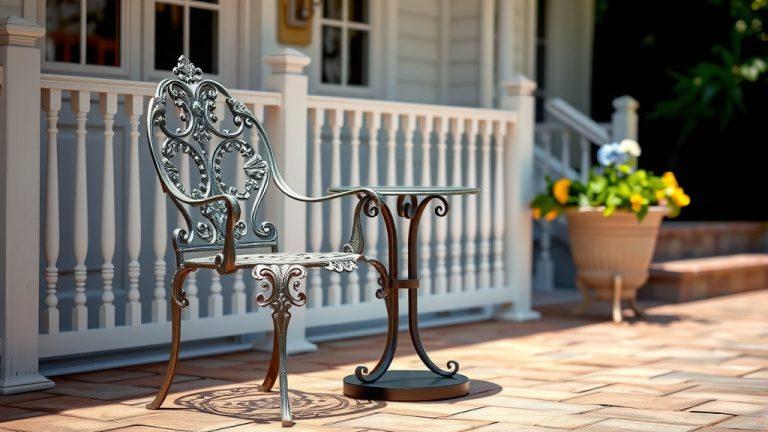
Wrought Iron: A Timeless Heavyweight
If you’re looking for furniture that won’t budge in a strong wind, wrought iron is your go-to. Its substantial weight provides excellent stability.
Historically, wrought iron has been celebrated for its strength and its ability to be crafted into beautiful, intricate designs.
Iron’s Enduring Strength
Wrought iron can truly be a lifetime investment, often outliving its owners with proper care. However, it does require a bit more attention.
You’ll need to check for scratches in its protective coating, as these can expose the iron to moisture and lead to rust (Cleveland Clinic).
Teak Wood: Nature’s Resilient Beauty
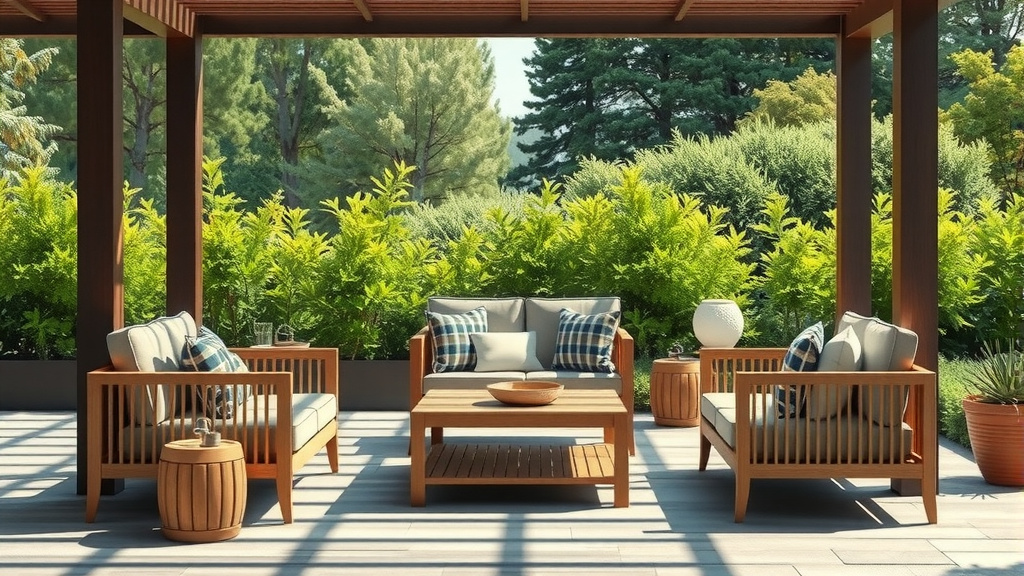
Teak wood is the gold standard for natural outdoor furniture durability. It contains natural oils and rubber, making it incredibly resistant to water, rot, pests, and UV rays.
It’s an investment, but one that rewards you with timeless beauty and minimal fuss.
Teak’s Natural Advantages
You can leave teak outside year-round, and it will gracefully weather to a lovely silver-gray patina without losing its structural integrity.
Many experts agree that teak requires very little maintenance beyond occasional cleaning, making it a favorite for those seeking natural elegance.
HDPE All-Weather Wicker: The Modern Innovator
Don’t confuse HDPE (High-Density Polyethylene) wicker with cheap plastic versions. This material is specially engineered for outdoor use.
It’s UV-stabilized, meaning it won’t fade, crack, or peel, even after years in the sun. This makes it a highly practical choice.
The Benefits of Synthetic Wicker
HDPE wicker is incredibly resilient, resisting moisture, mold, and mildew. It also requires very little cleaning, often just a quick rinse.
We’ve found that furniture made from this material offers a great balance of comfort, style, and long-term durability for your patio space.
Stainless Steel: Sleek and Resilient
For a modern, industrial look, stainless steel furniture stands out. It’s remarkably strong and offers excellent corrosion resistance, especially marine-grade stainless steel.
This makes it a wise choice for coastal areas where salt spray is a concern (Marine Institute).
When Stainless Steel Shines
While durable, stainless steel can get hot in direct sunlight, so consider cushions for comfort. It requires occasional cleaning to maintain its luster and prevent superficial rust spots.
The strength of stainless steel construction ensures your furniture will hold up well to heavy use and diverse weather conditions.
Factors Influencing Furniture Durability
Beyond the primary material, several other elements play a big role in how long your patio furniture will last. You’re looking for a combination of good choices.
Think of it as choosing a team where every player contributes to the overall strength and endurance of your investment.
Climate and Exposure: Your Outdoor Reality
Where you live profoundly affects which materials will be most durable. Do you face intense sun, heavy rain, high humidity, or salty air?
Understanding your specific environmental challenges helps you pick furniture that’s truly built for your conditions.
Construction Quality: Beyond the Material
Even a great material can fail if the construction is poor. Look for solid joints, well-welded connections, and heavy-gauge components.
Many experts say that paying attention to how pieces are put together is just as important as the material itself.
Maintenance Matters: Extending Life
No furniture is completely maintenance-free. A little regular care can add years to even the toughest pieces. It’s like feeding your plants; they just do better with some love.
Here are some quick tips to boost longevity:
- Clean regularly with mild soap and water.
- Apply protective covers during harsh weather.
- Store cushions indoors when not in use.
- Tighten loose bolts on occasion.
- Touch up scratches on metal to prevent rust.
Here’s a comparison of some durable patio furniture materials:
| Material | Durability Score (1-5, 5=Highest) | Weather Resistance | Maintenance Level |
|---|---|---|---|
| Powder-Coated Aluminum | 4.5 | Excellent (Rust-proof, UV-stable) | Low |
| Wrought Iron | 5 | High (Needs rust care) | Medium |
| Teak Wood | 4.5 | Excellent (Natural oils resist rot/pests) | Low |
| HDPE Wicker | 4 | Excellent (Fade, crack, moisture resistant) | Very Low |
| Stainless Steel | 4 | High (Excellent for coastal, can get hot) | Medium |
Making Your Durable Choice: A Quick Checklist
Before you commit to new patio furniture, run through this simple checklist. It helps ensure you’re picking furniture that will last, making your outdoor space enjoyable for years.
You want peace of mind, right? This will guide your decision.
- Does it suit your local climate conditions (sun, rain, salt)?
- Is the construction quality robust (welds, joints, hardware)?
- Are you prepared for the required maintenance level?
- Does it come with a reasonable warranty from a reputable brand?
- Is it comfortable and aesthetically pleasing for your home?
Conclusion
Choosing the most durable patio furniture is about understanding your specific needs and the strengths of various materials. Whether you opt for the rust-proof resilience of powder-coated aluminum, the weighty permanence of wrought iron, or the natural fortitude of teak, you’re making a wise investment.
By considering factors like climate, construction, and ongoing care, you can select pieces that will grace your outdoor living space with beauty and function for many seasons to come. Your patio deserves furniture that works as hard as you do to enjoy it!
How do I protect my patio furniture from harsh weather?
To best protect your patio furniture, use high-quality furniture covers designed for outdoor use, especially during severe weather or off-season storage. Regularly clean and apply sealants or waxes to materials like wood or metal, as recommended by the manufacturer. Storing cushions indoors also helps extend their life.
Is aluminum patio furniture truly rust-proof?
Yes, aluminum is naturally resistant to rust because it doesn’t contain iron, the element that combines with oxygen to form rust. While it can oxidize, forming a protective layer, it won’t rust in the traditional sense, making it an excellent choice for humid or rainy environments.
What’s the difference between HDPE wicker and natural rattan?
Natural rattan is a plant material that can break down and degrade when exposed to the elements, requiring indoor storage. HDPE (High-Density Polyethylene) wicker is a synthetic material engineered for outdoor use. It’s UV-stable, waterproof, and resistant to fading, cracking, and mold, making it far more durable and low-maintenance for patios.
How can I make my existing patio furniture last longer?
To extend the life of your existing patio furniture, focus on regular cleaning, touch-up paint or sealant on any exposed metal to prevent rust, and store cushions and pillows when not in use. Consider moving furniture into a covered area or using protective covers during extreme weather, and check for loose bolts periodically.
Is expensive patio furniture always more durable?
While higher prices often correlate with better quality materials and construction, it’s not a guarantee of superior durability. We found that you should always evaluate the specific materials, construction methods, and warranty rather than just the price tag. Researching brands and reading reviews can help you determine the true value and longevity of the furniture.